

The Union Budget proposes supporting professional institutions like ICAI and ICSI (Institute of Chartered Accountants of India, Institute of Company Secretaries of India).
GK and monthly revision
Short courses, faster jobs: ICAI, ICSI to design skill programmes in Budget 2026 employability push
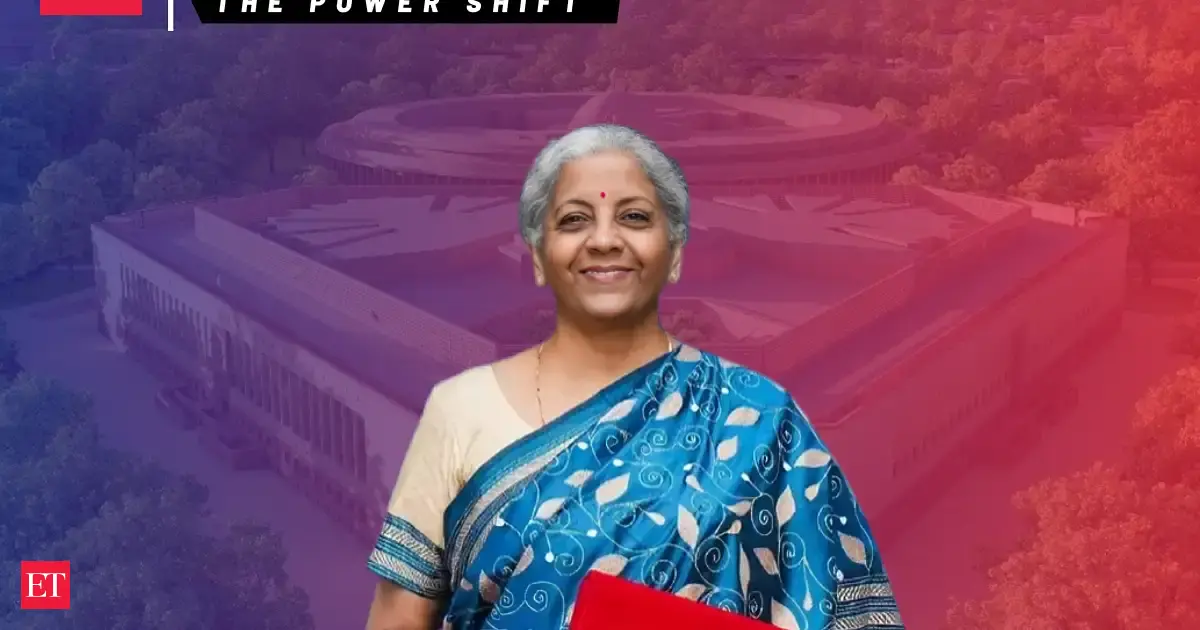
The Union Budget proposes supporting professional institutions like ICAI and ICSI to develop short-term modular courses. This initiative aims to enhance skills and boost employability, aligning with Finance Minister Nirmala Sitharaman's six-step growth plan. It signifies a government push for skill development and job creation, crucial for India's economic progress and competitive exam relevance in policy and economy sections.
Revision structure
Monthly events and exam calendar context
Static GK and one-liner notes
Quiz and mock-test revision path
Key points
Exam-ready takeaways
The objective of the initiative is to develop short-term modular courses for skill enhancement and boosting employability.
This measure is part of a broader 'employability push' strategy outlined in the Union Budget.
Finance Minister Nirmala Sitharaman unveiled a six-step growth plan for India's economic progress.
The six-step growth plan emphasizes manufacturing, traditional industries, MSMEs, infrastructure, security, and city economic regions.
Detailed analysis
Full exam-oriented breakdown
India, with its vast young population, stands at a critical juncture, often referred to as its 'demographic dividend.' However, harnessing this potential requires a skilled workforce capable of meeting the demands of a rapidly evolving global economy. It is against this backdrop that the Union Budget's proposal to support professional institutions like the Institute of Chartered Accountants of India (ICAI) and the Institute of Company Secretaries of India (ICSI) in developing short-term modular courses gains immense significance. This initiative is a strategic move to address the persistent skill gap and boost employability, aligning perfectly with Finance Minister Nirmala Sitharaman's broader six-step growth plan for India's economic progress. The background context for this policy push is multifaceted. Despite a large number of graduates entering the job market annually, a significant portion lacks industry-relevant skills, leading to underemployment or unemployment. Reports from various bodies, including the India Skills Report, consistently highlight this skill mismatch. Recognizing this challenge, the government launched the 'Skill India Mission' in 2015, encompassing various initiatives like the Pradhan Mantri Kaushal Vikas Yojana (PMKVY), to provide vocational training. However, the scale and pace of change in industry requirements necessitate more agile and specialized skill development programs. Professional bodies like ICAI and ICSI, with their deep industry connections and expertise in specific domains, are uniquely positioned to bridge this gap by offering targeted, short-duration courses that can quickly upskill or reskill individuals. What precisely transpired is a budgetary commitment to leverage the institutional capacity of established professional bodies. The proposal aims to empower ICAI and ICSI to design and deliver short-term, modular courses focused on enhancing specific skills relevant to the job market. This is not merely about traditional academic degrees but about practical, application-oriented training. This 'employability push' is an integral part of the Finance Minister's six-step growth plan, which strategically focuses on key sectors: manufacturing, traditional industries, Micro, Small & Medium Enterprises (MSMEs), infrastructure, security, and city economic regions. By improving skills, the government intends to bolster productivity and competitiveness across these vital areas, thereby driving overall economic expansion. Several key stakeholders are involved in this initiative. Firstly, the **Government of India**, particularly the Ministry of Finance and the Ministry of Skill Development and Entrepreneurship, acts as the policy architect and enabler, providing the necessary support and framework. Secondly, **ICAI** and **ICSI** are central to the implementation. As statutory professional bodies established under Acts of Parliament (The Chartered Accountants Act, 1949, and The Company Secretaries Act, 1980, respectively), they possess the regulatory authority, academic rigor, and industry interface required to develop credible and effective courses. Thirdly, **students and job seekers** are the primary beneficiaries, gaining access to specialized skills that can significantly improve their career prospects. Finally, **industries and MSMEs** stand to benefit from a readily available pool of skilled talent, reducing their hiring and training costs and enhancing their operational efficiency. This initiative matters profoundly for India. Economically, it directly addresses the 'demographic dividend' challenge, transforming potential into actual productive capacity. By enhancing employability, it aims to reduce unemployment, increase per capita income, and boost consumer demand, contributing to a virtuous cycle of growth. Socially, it empowers youth, especially those from underserved backgrounds, by providing them with practical skills that lead to better livelihoods and upward mobility, thus fostering inclusive growth. Politically, it reinforces the government's commitment to job creation and economic development, key planks of its governance agenda. Historically, India's skill development journey has evolved from traditional apprenticeships and Industrial Training Institutes (ITIs) to more organized, mission-mode approaches like the National Skill Development Corporation (NSDC) and the Skill India Mission. This latest proposal signifies a move towards leveraging specialized professional expertise for targeted skill interventions, reflecting a more nuanced and adaptive approach to skill development. From a constitutional perspective, this policy aligns with the **Directive Principles of State Policy (DPSP)**, particularly **Article 39(a)**, which mandates the state to direct its policy towards securing that the citizens, men and women equally, have the right to an adequate means to livelihood. Furthermore, **Article 41** directs the state to make effective provisions for securing the right to work and to public assistance in cases of unemployment, old age, sickness, and disablement. Skill development directly contributes to fulfilling these constitutional obligations. Education, including vocational and technical training, falls under the **Concurrent List (Entry 25 of the Seventh Schedule)**, allowing both the Union and State governments to legislate and implement policies in this domain. The **National Skill Development Policy, 2015**, and subsequent amendments to acts like the Apprentices Act, 1961, provide the legislative and policy framework for such initiatives. The future implications are significant. This collaboration could serve as a blueprint for partnerships with other professional bodies, expanding the scope of skill development across various sectors. It could lead to a more formalized and quality-assured short-term training ecosystem, potentially impacting the recognition of micro-credentials in the job market. Moreover, by focusing on sectors like MSMEs and traditional industries, it has the potential to rejuvenate local economies and support the 'Atmanirbhar Bharat' (Self-Reliant India) vision. The success of this model will depend on continuous industry feedback, adaptability of courses, and effective placement mechanisms, but it represents a promising step towards building a truly skilled and employable Indian workforce capable of navigating the challenges of the 21st century economy.
How to study
Turn news into exam marks
Revise monthly events by exam family instead of reading random updates.
Pair one-liners with mock tests so mistakes become the next revision list.
Keep state job pages, calendar pages and GK packs connected in one path.