

The Great Nicobar Project is a mega infrastructure initiative planned for Great Nicobar Island, Andaman & Nicobar Islands.
GK and monthly revision
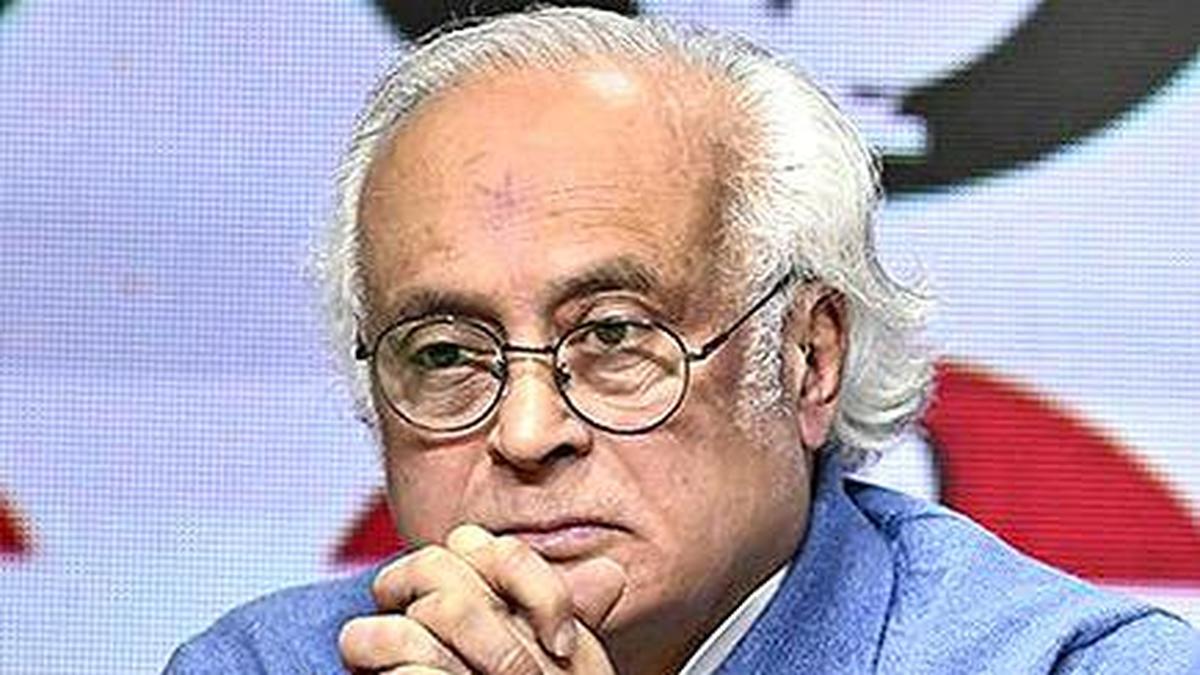
Congress cites The Hindu report to target Centre over Great Nicobar project, calls Modi government ‘indifferent’
The Congress party, citing a report from The Hindu, has criticized the Centre over the Great Nicobar Project. Former Environment Minister Jairam Ramesh alleged coercion of tribal communities and termed it an "ecological disaster." This highlights ongoing concerns regarding environmental impact and tribal rights in large-scale infrastructure projects, crucial for competitive exams focusing on governance, environment, and social issues.
Revision structure
Monthly events and exam calendar context
Static GK and one-liner notes
Quiz and mock-test revision path
Key points
Exam-ready takeaways
Former Environment Minister Jairam Ramesh (Congress) criticized the project, citing allegations of tribal community coercion and potential ecological disaster.
The project includes an International Container Transshipment Port at Galathea Bay, an airport, a power plant, and a greenfield township.
Concerns have been raised regarding the project's impact on indigenous tribal groups, particularly the Shompen (a Particularly Vulnerable Tribal Group) and Great Nicobarese.
Environmentalists fear significant damage to the island's rich biodiversity, including nesting sites of the Nicobar Megapode and Leatherback sea turtles.
Detailed analysis
Full exam-oriented breakdown
The Great Nicobar Project represents a significant intersection of India's strategic ambitions, economic development goals, and pressing environmental and social responsibilities. Located in the southernmost tip of the Andaman & Nicobar archipelago, Great Nicobar Island is not just a biodiversity hotspot but also a strategically vital outpost for India in the Indo-Pacific region. The island's unique ecosystem and indigenous communities, particularly the Shompen, a Particularly Vulnerable Tribal Group (PVTG), and the Great Nicobarese, are now at the forefront of a contentious debate surrounding a mega infrastructure initiative. **Background Context and What Happened:** Driven by India's 'Act East' policy and a broader vision for island development, the Great Nicobar Project was conceptualized to leverage the island's strategic location. NITI Aayog, the government's policy think tank, proposed a 'holistic development' plan for the island, envisioning it as a major global transshipment hub. The project, estimated to cost over ₹72,000 crore, includes an International Container Transshipment Port (ICTP) at Galathea Bay, a greenfield international airport, a power plant, and a greenfield township. The ambitious scale of the project aims to position India as a key player in maritime trade, given its proximity to the crucial East-West international shipping route that passes near the Malacca Strait. However, the project has faced severe criticism, particularly from environmentalists, tribal rights advocates, and opposition parties. Recently, the Congress party, citing a report from The Hindu, strongly criticized the Centre. Former Environment Minister Jairam Ramesh alleged coercion of tribal communities and labelled the project an "ecological disaster." Concerns primarily revolve around the massive deforestation required (over 130 sq km of pristine forest), the destruction of critical nesting sites for endangered species like the Nicobar Megapode and Leatherback sea turtles, and the displacement or impact on the Shompen and Great Nicobarese tribes. The project's environmental clearance process itself has come under scrutiny, with allegations of hurried assessments and inadequate consideration of long-term ecological consequences. **Key Stakeholders Involved:** 1. **Government of India (NITI Aayog, Ministry of Environment, Forest and Climate Change, Andaman & Nicobar Administration):** The primary proponent, pushing the project for strategic and economic reasons, aiming to enhance India's maritime capabilities and regional influence. They view it as essential for national development and security. 2. **Local Tribal Communities (Shompen and Great Nicobarese):** These indigenous groups are directly impacted. The Shompen, a nomadic hunter-gatherer PVTG, and the Great Nicobarese, an aboriginal tribe, face potential displacement, loss of traditional lands, cultural erosion, and threats to their distinct way of life and livelihoods. Their constitutional rights and traditional forest rights are central to the debate. 3. **Environmental Activists and Conservationists:** Groups like the Andaman Nicobar Environmental Team (ANET), Bombay Natural History Society (BNHS), and others are vociferously opposing the project, citing irreversible damage to a globally significant biodiversity hotspot, potential exacerbation of climate change impacts, and non-compliance with environmental norms. 4. **Opposition Parties (e.g., Congress):** They act as a check on government power, raising concerns about governance, transparency, environmental protection, and tribal rights, holding the government accountable for its actions. 5. **Private Developers and Investors:** These entities stand to benefit from the construction and operation of the port, airport, and other infrastructure, driving the economic rationale of the project. **Why This Matters for India:** This project is profoundly significant for India on multiple fronts. Strategically, the ICTP at Galathea Bay could significantly enhance India's maritime presence in the Indo-Pacific, reduce reliance on foreign transshipment ports (like Colombo or Singapore), and serve as a crucial base for naval operations, bolstering India's security interests and 'Net Security Provider' role in the region. Economically, it promises to boost trade, logistics, and tourism, creating jobs and integrating the Andaman & Nicobar Islands more deeply into the national economy. However, it also presents a critical test for India's commitment to sustainable development and its constitutional obligations. The controversy highlights the perennial conflict between development imperatives and environmental conservation, especially in ecologically fragile zones. India's global image as a responsible environmental steward and its commitments under international agreements like the Convention on Biological Diversity (CBD) and the Paris Agreement are also at stake. **Related Constitutional Articles, Acts, and Policies:** Several constitutional provisions and legal frameworks are directly relevant. **Article 244** of the Constitution, along with the **Fifth and Sixth Schedules**, deals with the administration of Scheduled Areas and Tribal Areas, providing safeguards for tribal communities. The **Scheduled Tribes and Other Traditional Forest Dwellers (Recognition of Forest Rights) Act, 2006 (FRA)**, is crucial, as it mandates Gram Sabha consent for projects affecting tribal lands and recognizes their customary rights over forest resources. **Article 21 (Right to Life and Personal Liberty)** has been interpreted by the Supreme Court to include the right to a clean and healthy environment. The **Wildlife Protection Act, 1972**, and the **Environmental (Protection) Act, 1986**, along with the **Environmental Impact Assessment (EIA) Notification**, govern the environmental clearance process and protection of biodiversity. India's **National Action Plan on Climate Change (NAPCC)** and its commitments to reducing emissions and promoting sustainable development also frame this debate. **Future Implications:** The future of the Great Nicobar Project will likely involve continued legal challenges, intensified public debate, and potentially international scrutiny. The outcome could set a precedent for future large-scale infrastructure projects in India's ecologically sensitive regions and impact the balance between economic growth and environmental protection. If implemented without adequate safeguards, it could lead to irreversible ecological damage and social unrest among indigenous communities. Conversely, if executed with genuine adherence to environmental norms, tribal rights, and sustainable practices, it could become a model for responsible development, though the current allegations suggest otherwise. The project's success or failure will significantly influence India's strategic standing in the Indo-Pacific and its internal policy framework concerning development, environment, and tribal welfare.
How to study
Turn news into exam marks
Revise monthly events by exam family instead of reading random updates.
Pair one-liners with mock tests so mistakes become the next revision list.
Keep state job pages, calendar pages and GK packs connected in one path.