

The Indian government is considering an invitation to join a 'Trump Gaza board'.
GK and monthly revision
Government mulls Trump Gaza board invitation, as leaders of Israel, UAE, and Pakistan join
India is considering an invitation to join a 'Trump Gaza board', signaling its potential involvement in a new West Asia peace initiative. This development highlights India's increasing diplomatic engagement in the region, with consultations planned for Arab leaders at an upcoming conference on January 30-31. Prime Minister Modi's expected visits to West Asia and Israel further underscore the strategic importance of this move for India's foreign policy and regional stability.
Revision structure
Monthly events and exam calendar context
Static GK and one-liner notes
Quiz and mock-test revision path
Key points
Exam-ready takeaways
Arab leaders are scheduled to be consulted at a conference on January 30-31.
Leaders of Israel, UAE, and Pakistan are mentioned as participants in this initiative.
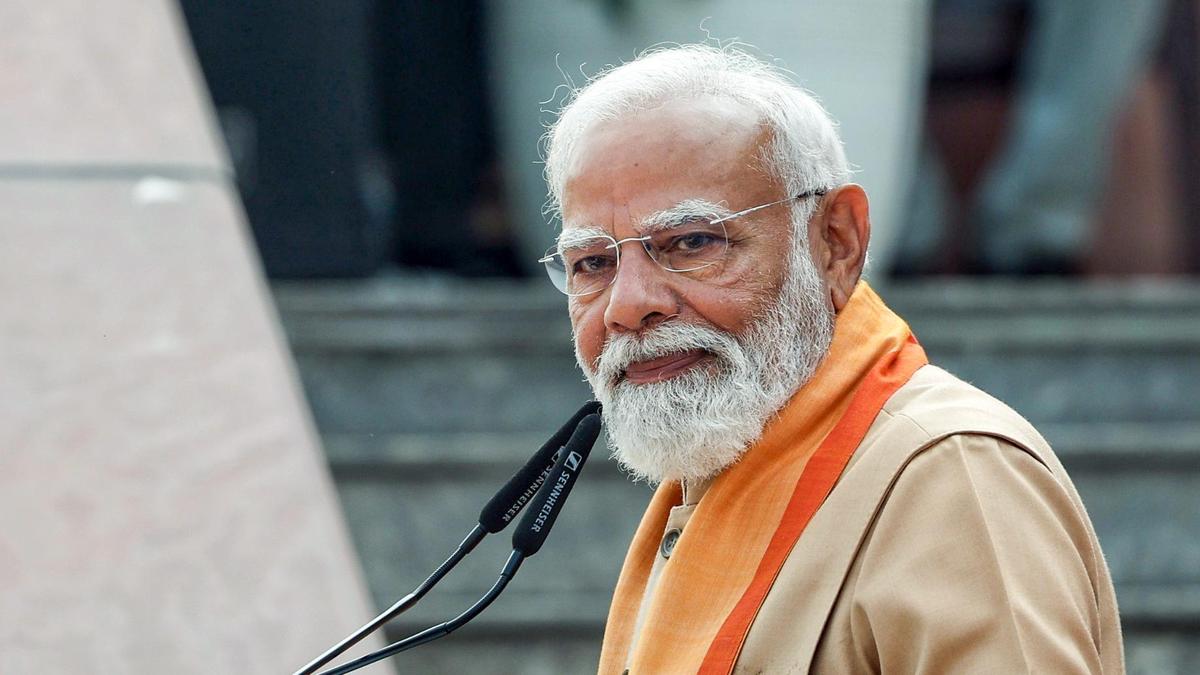
Prime Minister Narendra Modi is expected to travel to West Asia and Israel soon.
The initiative focuses on the Gaza region, indicating a diplomatic effort for regional stability.
Detailed analysis
Full exam-oriented breakdown
The news that India is considering an invitation to join a 'Trump Gaza board' signals a potentially significant shift in India's engagement with the complex West Asian geopolitical landscape, particularly concerning the Israel-Palestine conflict. This move, coupled with Prime Minister Modi's anticipated visits to West Asia and Israel, underscores India's evolving foreign policy and its growing ambition to play a more proactive role in global affairs. **Background Context and What Happened:** The Israeli-Palestinian conflict is one of the world's longest-running disputes, rooted in competing claims to land and self-determination. Decades of conflict, peace attempts, and international interventions have largely failed to produce a lasting resolution. The 'Trump Gaza board' concept likely refers to a potential post-conflict governance, reconstruction, or peace-building initiative for the Gaza Strip, a territory severely affected by recent conflicts. Former US President Donald Trump's administration was known for its unconventional approach to West Asia, notably brokering the Abraham Accords in 2020, which saw several Arab nations (UAE, Bahrain, Sudan, Morocco) normalize relations with Israel. The current initiative, even if spearheaded by a former president, suggests a continued push for regional stability and integration, potentially involving new frameworks beyond traditional peace processes. India's consideration to join indicates a willingness to engage with such initiatives, potentially moving beyond its traditional non-aligned stance to a more pragmatic multi-alignment approach. **Key Stakeholders Involved:** Several crucial actors are involved in this developing scenario. **India** is considering its participation, driven by its strategic interests, energy security needs, and a desire to enhance its global standing. The **United States**, through the 'Trump' label, implies an American-led or American-influenced initiative, reflecting its enduring interest in West Asian stability. **Israel** is a central figure, deeply invested in any post-conflict arrangement for Gaza and seeking broader regional acceptance. The **UAE**'s involvement highlights the continued momentum of the Abraham Accords, signifying a pragmatic approach from some Arab states towards Israel. **Pakistan's** mention is particularly noteworthy, given its historical stance of not recognizing Israel. Its potential involvement could signify a broader regional buy-in or an attempt to bring diverse Islamic world perspectives into the fold. Crucially, while not explicitly mentioned as participants in the 'board', the **Palestinian Authority** and the people of Gaza are the primary affected parties, and their representation and acceptance will be vital for any initiative's long-term success. Consultations with other **Arab leaders** at the January 30-31 conference are designed to garner broader regional support and legitimacy. **Why This Matters for India:** This development holds immense significance for India. Firstly, it elevates India's diplomatic profile, positioning it as a credible partner in complex international peace efforts. India's strong bilateral ties with both Israel and key Arab nations like the UAE, coupled with its historical support for the Palestinian cause, give it a unique vantage point. Secondly, West Asia is critical for India's **energy security**, being the source of a substantial portion of its oil and gas imports. Stability in the region is paramount for uninterrupted energy supplies. Thirdly, the region hosts a large **Indian diaspora**, whose welfare is a significant foreign policy concern. Economic opportunities in post-conflict reconstruction and enhanced trade relations are also strong motivators. India's participation could solidify its 'Look West' policy, which aims to deepen engagement with West Asian countries across various sectors. Furthermore, it aligns with India's broader strategy of strategic autonomy and multi-alignment, allowing it to engage with multiple power centers and diverse regional groupings, such as the I2U2 (India, Israel, UAE, USA) forum, without being tied to a single bloc. **Historical Context and Future Implications:** Historically, India maintained a strong pro-Palestine stance, rooted in its own anti-colonial struggle and the Non-Aligned Movement principles. However, since the 1990s, and particularly under the Modi government, India's relationship with Israel has blossomed across defence, technology, and agriculture, while simultaneously maintaining robust ties with Arab states. This balancing act reflects India's pragmatic foreign policy. Joining a 'Trump Gaza board' could further test this balance, requiring careful diplomatic navigation. In terms of **constitutional provisions**, India's foreign policy is guided by the **Directive Principles of State Policy**, particularly **Article 51**, which mandates the State to promote international peace and security, maintain just and honourable relations between nations, foster respect for international law, and encourage settlement of international disputes by arbitration. India's potential involvement in the Gaza initiative aligns with these principles, aiming for regional stability through diplomatic engagement. Looking ahead, India's participation could lead to various outcomes. It could enhance India's role as a potential mediator or facilitator in future peace processes. However, it also carries the risk of entanglement in highly volatile regional dynamics. Prime Minister Modi's expected visits to West Asia and Israel will likely involve discussions on this initiative and other bilateral and regional cooperation frameworks, further cementing India's strategic footprint. The success of any such board would depend heavily on the buy-in from all stakeholders, especially the Palestinians, and the political will of the international community. For India, it represents an opportunity to project its growing influence and contribute to global peace, while carefully safeguarding its national interests.
How to study
Turn news into exam marks
Revise monthly events by exam family instead of reading random updates.
Pair one-liners with mock tests so mistakes become the next revision list.
Keep state job pages, calendar pages and GK packs connected in one path.