

Japanese government bonds (JGBs) plunged, causing their yields to surge to record highs.
GK and monthly revision
Japan bond yields surge to records as election stokes fiscal concerns; stocks and yen fall
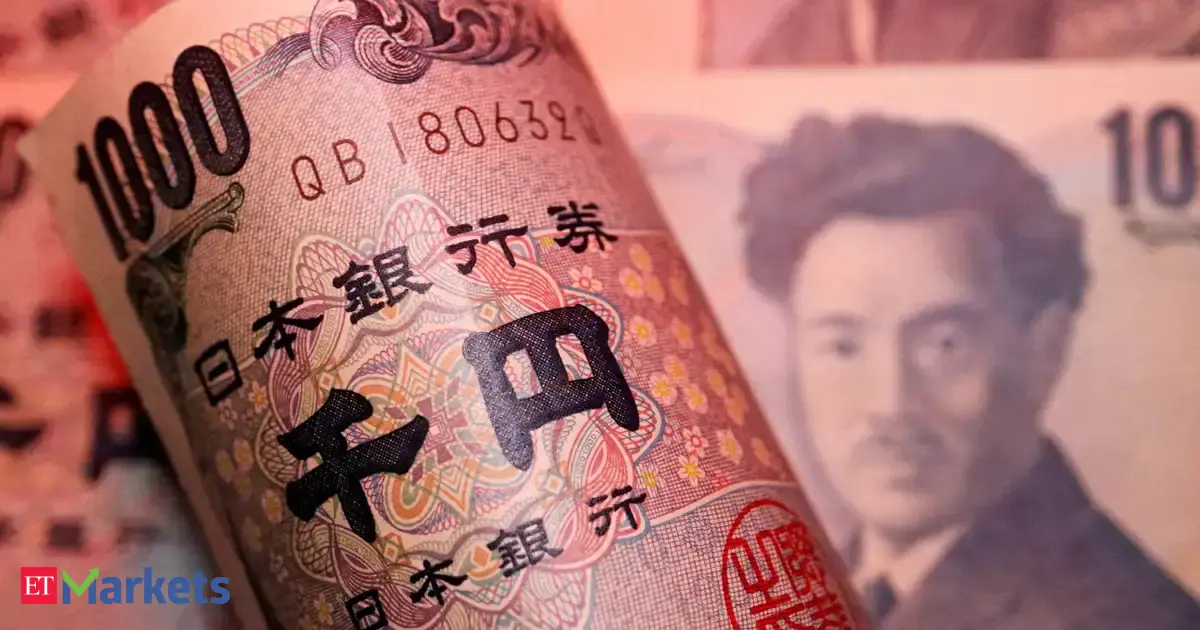
Japan's financial markets experienced significant turmoil as Japanese government bonds (JGBs) plunged, sending yields to record highs, while Tokyo stocks and the yen also fell. This market reaction stemmed from Prime Minister Sanae Takaichi's decision to call a snap election, which eroded investor confidence in the country's fiscal health. This event is crucial for understanding the interplay between political decisions and economic stability in a major global economy.
Revision structure
Monthly events and exam calendar context
Static GK and one-liner notes
Quiz and mock-test revision path
Key points
Exam-ready takeaways
Tokyo stocks experienced a significant fall following the market instability.
The Japanese yen also depreciated against other major currencies.
The market turmoil was triggered by Prime Minister Sanae Takaichi's decision to call a snap election.
Investor confidence in Japan's fiscal health was shaken by the political development.
Detailed analysis
Full exam-oriented breakdown
The recent turmoil in Japan's financial markets, characterized by a plunge in Japanese government bonds (JGBs), surging yields, and a fall in Tokyo stocks and the yen, offers a critical case study in the intricate relationship between political stability and economic confidence. This market reaction was directly triggered by Prime Minister Sanae Takaichi's decision to call a snap election, which immediately rattled investor confidence in the country's fiscal health. This event is not merely a localized Japanese phenomenon but holds significant lessons and implications for global economies, including India. To understand the gravity of this situation, one must appreciate Japan's unique economic backdrop. For decades, Japan has grappled with an aging population, persistent deflation, and an enormous public debt, currently exceeding 250% of its Gross Domestic Product (GDP) – the highest among developed nations. In response, the Bank of Japan (BOJ) has pursued ultra-loose monetary policies, including negative interest rates and Yield Curve Control (YCC), to keep borrowing costs low and stimulate the economy. This policy, while maintaining stability for a long time, has also created a delicate balance. Any perceived threat to fiscal discipline or political continuity can quickly unravel this stability, as seen in the recent market reaction. The key stakeholders in this scenario include the **Japanese Government**, particularly the Prime Minister and the Ministry of Finance, whose political decisions (like calling a snap election) and fiscal policies directly influence market sentiment. The **Bank of Japan (BOJ)** is another crucial player, responsible for monetary policy and maintaining financial stability. Its ability to continue YCC or adjust policies in response to market pressure is vital. **Domestic and international investors** are also significant, as their confidence (or lack thereof) drives the buying and selling of JGBs, stocks, and the yen. Finally, the **Japanese citizens** bear the ultimate impact of economic instability, facing potential inflation, reduced social welfare, or higher taxes. For India, this event carries several important implications. Firstly, as the world's third-largest economy, Japan's economic health impacts global financial stability. Any significant disruption could ripple through international markets, potentially affecting India's foreign institutional investment (FII) flows, trade balances, and currency stability. India and Japan share a robust strategic and economic partnership, with Japan being a major source of foreign direct investment (FDI) and development assistance, notably through projects like the Mumbai-Ahmedabad High-Speed Rail (Bullet Train) and various JICA-funded initiatives. Economic instability in Japan could potentially slow down these investments or divert capital, impacting India's infrastructure development and economic growth. Moreover, this situation offers crucial lessons for India regarding fiscal prudence and political stability. India, while having a lower debt-to-GDP ratio than Japan, has its own challenges in managing public debt and fiscal deficits. The Japanese experience underscores how quickly investor confidence can erode if political decisions are perceived to threaten fiscal discipline. India's **Fiscal Responsibility and Budget Management (FRBM) Act, 2003**, aims to institutionalize fiscal prudence, setting targets for fiscal deficit and public debt. This Japanese episode reinforces the importance of adhering to such frameworks. Constitutionally, the Indian government's responsibility for financial management is enshrined in articles like **Article 112 (Annual Financial Statement/Budget)**, which mandates the presentation of the Union Budget, and **Articles 292 and 293**, which deal with the borrowing powers of the Union and States, respectively. These provisions highlight the constitutional imperative for sound fiscal management, a lesson vividly illustrated by Japan's current predicament. The future implications are multifaceted. The snap election's outcome will be critical. If the new government fails to present a credible plan for fiscal consolidation or if political uncertainty persists, market volatility could intensify. The BOJ might face increased pressure to adjust its YCC policy, potentially leading to higher long-term interest rates. This could have global ramifications, as higher yields in Japan could attract capital away from other markets, including emerging economies like India. Ultimately, the event highlights the fragility of economies with high debt burdens and the paramount importance of political stability and clear economic policy for maintaining investor confidence and overall financial health. This episode serves as a powerful reminder of the interconnectedness of global finance and the delicate balance required between political expediency and economic stability. It underscores that even highly developed economies are not immune to market reactions when fundamental fiscal concerns are amplified by political uncertainty.
How to study
Turn news into exam marks
Revise monthly events by exam family instead of reading random updates.
Pair one-liners with mock tests so mistakes become the next revision list.
Keep state job pages, calendar pages and GK packs connected in one path.