

Protests in Iran began on December 28, triggered by the country's ailing economy.
GK and monthly revision
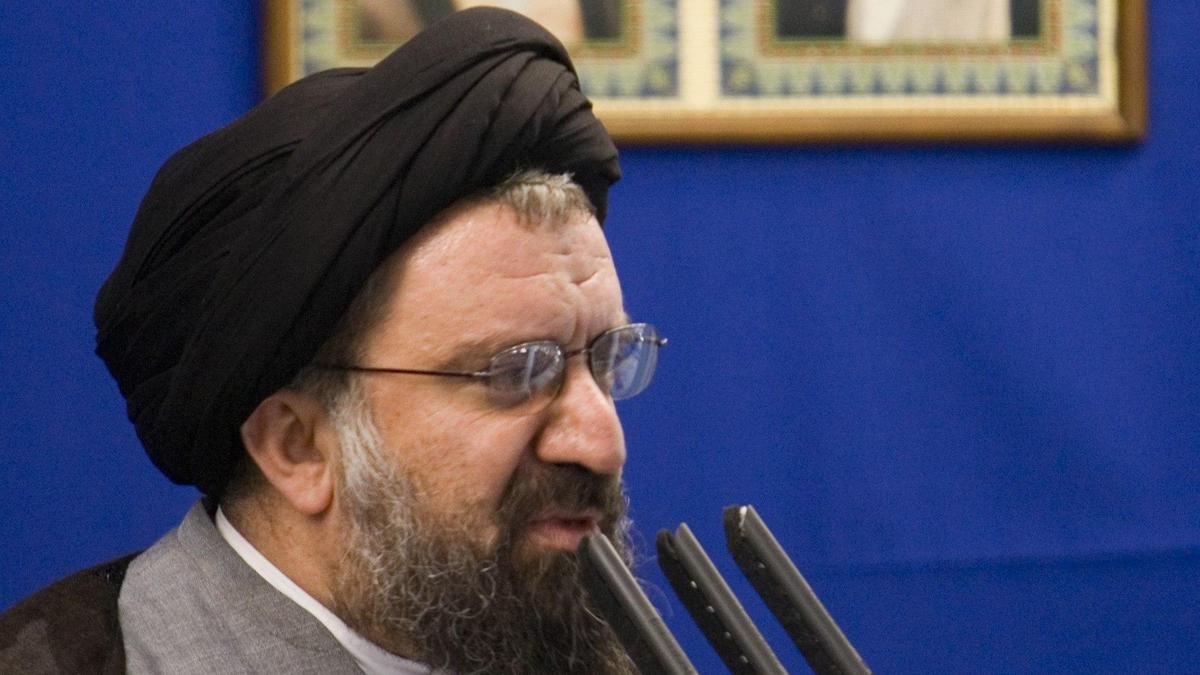
No sign of new protests in Iran as a hard-line cleric calls for executions, threatens Trump
Protests erupted in Iran starting December 28, initially due to economic distress, which then escalated into direct challenges against the country's theocratic government. These demonstrations were reportedly suppressed through harsh measures, resulting in thousands of casualties. This event highlights internal political instability and human rights concerns in Iran, crucial for understanding international relations and geopolitical developments for competitive exams.
Revision structure
Monthly events and exam calendar context
Static GK and one-liner notes
Quiz and mock-test revision path
Key points
Exam-ready takeaways
The demonstrations evolved from economic grievances to directly challenging Iran's theocracy.
Harsh repression reportedly stifled the protests, leading to several thousand people dead.
A hard-line cleric called for executions in response to the protests.
The cleric also issued threats against then-US President Trump, as indicated in the article's title.
Detailed analysis
Full exam-oriented breakdown
The protests that erupted in Iran starting December 28, initially fueled by deep-seated economic grievances and quickly escalating into direct challenges against the country's theocratic government, represent a critical flashpoint in West Asian geopolitics. To truly grasp the significance of these events for competitive exams, one must delve into the intricate layers of Iran's internal dynamics and its regional and global implications. **Background Context and What Happened:** Iran, a nation with a rich history, has been governed by a unique blend of Islamic jurisprudence and republicanism since the 1979 Islamic Revolution. The Supreme Leader, an unelected cleric, holds ultimate authority, overseeing the elected President and Parliament. Over the past few decades, Iran has faced persistent economic challenges, exacerbated by international sanctions, particularly from the United States, over its nuclear program and regional activities. The country's economy, heavily reliant on oil exports, has struggled with high unemployment, inflation, corruption, and a widening gap between the rich and the poor. These issues laid the groundwork for public discontent. The protests that began on December 28 were not isolated incidents but rather a continuation of simmering frustrations. Initially sparked by rising food prices, particularly eggs, and general economic hardship, the demonstrations quickly morphed into broader anti-government and anti-establishment protests. Slogans shifted from economic demands to direct calls for the removal of the Supreme Leader and the entire clerical establishment. This indicated a fundamental challenge to the legitimacy of the Islamic Republic itself, a more profound shift compared to previous protests like the 2009 Green Movement, which largely questioned election results but not the system's core. The government's response was swift and brutal. Reports indicated widespread arrests, internet shutdowns, and the use of force, leading to several thousand casualties. A hard-line cleric's call for executions of protesters and threats against then-US President Trump underscored the regime's determination to crush dissent and its perception of external interference. **Key Stakeholders Involved:** * **Iranian Government and Clerical Establishment:** Led by the Supreme Leader, Ayatollah Ali Khamenei, and supported by institutions like the Islamic Revolutionary Guard Corps (IRGC) and the Basij militia, this group is committed to preserving the current political and religious order. Their primary goal is to suppress dissent and maintain control. The IRGC, in particular, plays a significant economic and military role, acting as a state within a state. * **The Protesters:** A diverse group primarily comprising disgruntled youth, the working class, and women, frustrated by economic stagnation, lack of social freedoms, and perceived corruption. Their demands range from better living conditions to fundamental political reforms. * **Hard-line Clerics:** Religious figures who advocate for strict adherence to Islamic law and often call for severe punishment for those challenging the state, as seen in the call for executions. * **International Actors (e.g., United States):** The US, under the Trump administration, had adopted a policy of
How to study
Turn news into exam marks
Revise monthly events by exam family instead of reading random updates.
Pair one-liners with mock tests so mistakes become the next revision list.
Keep state job pages, calendar pages and GK packs connected in one path.