

Tamil Nadu is making energy storage central to its clean power future.
GK and monthly revision
Energy storage, offshore wind now central to Tamil Nadu’s clean power future
Tamil Nadu is strategically shifting its clean power focus towards energy storage and offshore wind to overcome significant hurdles like grid stress, land scarcity, and aging infrastructure. This move is crucial for the state to meet its ambitious renewable energy targets and serves as a vital case study for India's broader renewable energy transition, making it important for competitive exams focusing on environment, infrastructure, and state policies.
Revision structure
Monthly events and exam calendar context
Static GK and one-liner notes
Quiz and mock-test revision path
Key points
Exam-ready takeaways
Offshore wind energy is now a central component of Tamil Nadu's renewable plans.
The state's renewable energy plans are challenged by grid stress and land hurdles.
Ageing turbines pose a significant challenge to Tamil Nadu's clean power ambitions.
Transmission constraints are a key obstacle testing Tamil Nadu's renewable energy targets.
Detailed analysis
Full exam-oriented breakdown
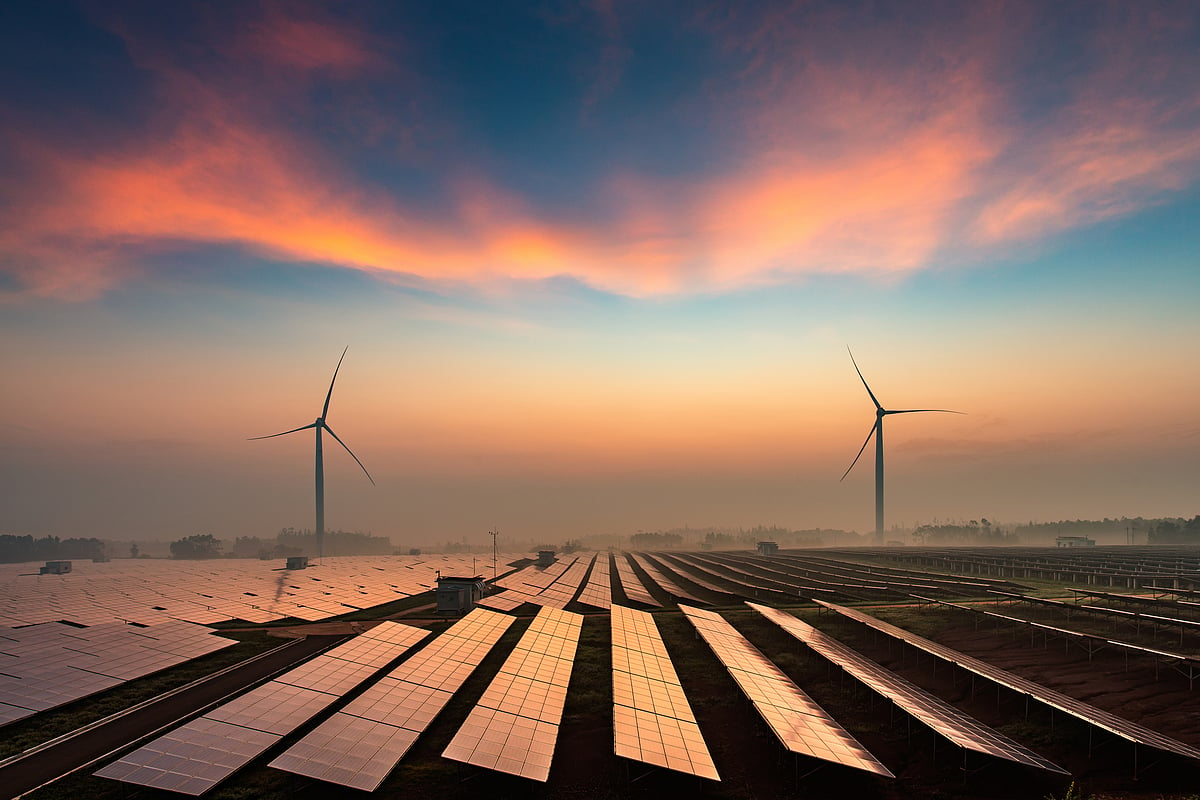
Tamil Nadu, a pioneer in India's renewable energy landscape, is strategically shifting its focus towards energy storage and offshore wind power to overcome burgeoning challenges and accelerate its clean energy transition. For decades, the state has led in onshore wind power generation, establishing a significant installed capacity. However, this journey has brought to the fore critical issues such as grid stress, which arises from the intermittent nature of renewable sources, making grid management complex. Additionally, land scarcity, a persistent hurdle in densely populated states, limits the expansion of large-scale solar and onshore wind projects. The state also grapples with an aging fleet of existing wind turbines, which require upgrades or replacement, and transmission constraints that hinder the efficient evacuation of generated power to consumption centers. To address these multifaceted challenges, Tamil Nadu is making energy storage, particularly Battery Energy Storage Systems (BESS), central to its clean power future. Energy storage solutions are vital for managing grid stability by storing surplus renewable energy during peak generation and discharging it during periods of high demand or low generation. This smooths out the variability of renewables, reducing grid stress and enhancing reliability. Similarly, offshore wind energy is emerging as a crucial component. Unlike onshore wind, offshore wind farms benefit from stronger, more consistent winds, leading to higher capacity utilization factors. Moreover, they circumvent land acquisition issues, offering vast potential along the state's extensive coastline. While initial capital costs are higher and technological complexities greater, the long-term benefits in terms of scale and efficiency are substantial. Key stakeholders in this ambitious endeavor include the Tamil Nadu Generation and Distribution Corporation (TANGEDCO), which is responsible for power generation and distribution within the state. The Ministry of New and Renewable Energy (MNRE) at the central level provides policy direction and financial support, while the Central Electricity Authority (CEA) ensures grid integration and planning. Private developers, both domestic and international, are crucial for investment and technological expertise. Local communities are also important stakeholders, particularly concerning environmental impact assessments and potential livelihood implications from offshore projects. This strategic pivot by Tamil Nadu holds immense significance for India. As a leading state in renewable energy, its successes and lessons will serve as a blueprint for other states facing similar challenges. India has ambitious targets, aiming for 500 GW of non-fossil fuel electricity capacity by 2030 and achieving Net Zero emissions by 2070, as committed under the Paris Agreement. Tamil Nadu's focus on storage and offshore wind directly contributes to these national goals, bolstering energy security by reducing reliance on imported fossil fuels and fostering domestic technological innovation. It also creates economic opportunities through manufacturing, infrastructure development, and skilled job creation in emerging green sectors. From a constitutional perspective, electricity falls under the Concurrent List (List III, Entry 38) of the Seventh Schedule, allowing both the Union and State governments to legislate on the subject. This framework enables states like Tamil Nadu to formulate their specific energy policies while operating within the broader national policy framework. Relevant central policies include the Electricity Act, 2003, which provides the overarching regulatory framework for the power sector. The National Tariff Policy, 2016, mandates Renewable Purchase Obligations (RPO) for discoms and has also introduced an Energy Storage Obligation (ESO), incentivizing states to integrate storage. Crucially, the National Offshore Wind Energy Policy, 2015, provides the necessary framework for developing offshore wind projects in India's Exclusive Economic Zone, guiding states like Tamil Nadu in harnessing this potential. The future implications of Tamil Nadu's strategy are profound. Successful implementation will lead to a more stable, reliable, and sustainable power grid, capable of integrating higher penetrations of renewable energy. It will attract further domestic and foreign investment into the state's energy sector and position India as a leader in advanced renewable energy technologies. While challenges like high upfront costs, grid infrastructure upgrades, and the need for a skilled workforce persist, this proactive approach by Tamil Nadu demonstrates a clear path towards achieving a diversified, resilient, and green energy future, contributing significantly to India's climate goals and economic growth.
How to study
Turn news into exam marks
Revise monthly events by exam family instead of reading random updates.
Pair one-liners with mock tests so mistakes become the next revision list.
Keep state job pages, calendar pages and GK packs connected in one path.