

The study was conducted by AIIMS, Delhi, focusing on sudden deaths in young adults.
GK and monthly revision
AIIMS study finds no link between Covid vaccination and sudden deaths in young adults
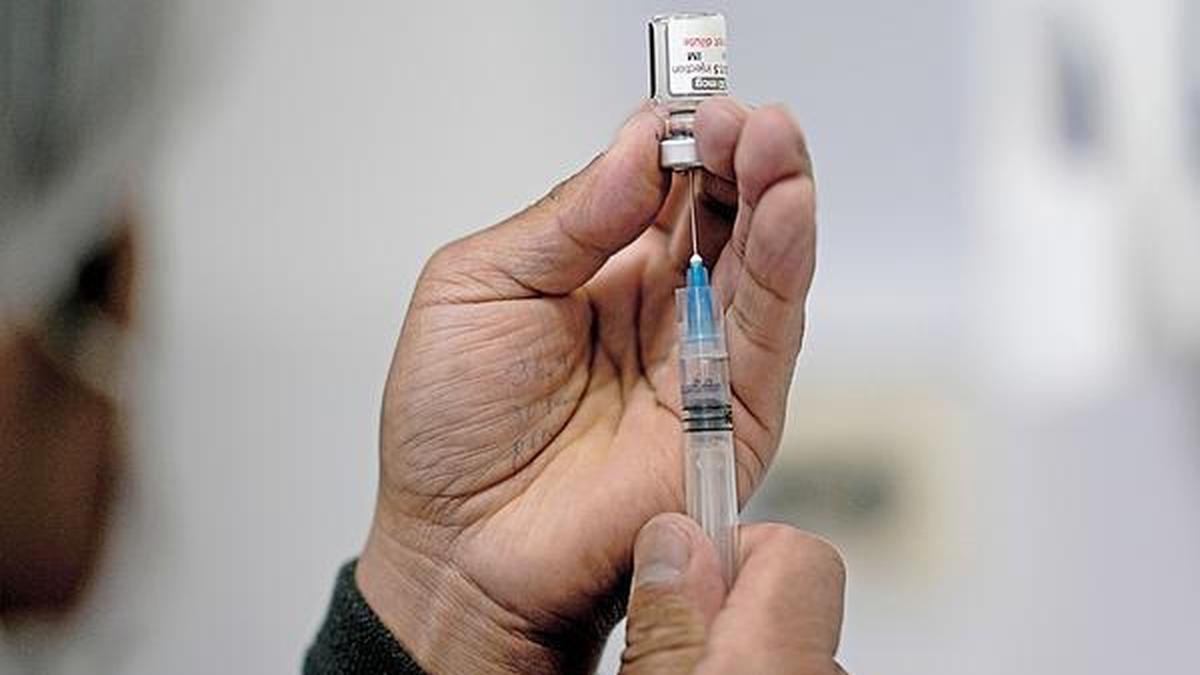
An autopsy-based study conducted by AIIMS, Delhi, has concluded that there is no link between Covid-19 vaccination and sudden deaths in young adults. The research identified coronary artery disease as the primary cause of such deaths, debunking widespread misinformation. This finding is crucial for public health understanding, policy formulation, and general science knowledge for competitive exams, particularly in the context of disease and health awareness.
Revision structure
Monthly events and exam calendar context
Static GK and one-liner notes
Quiz and mock-test revision path
Key points
Exam-ready takeaways
The research found no direct link between Covid-19 vaccination and sudden deaths.
Coronary artery disease was identified as the leading cause of sudden deaths among young adults in the study.
The study utilized an autopsy-based research methodology to determine the cause of death.
The findings call for targeted public health measures to address underlying health issues like coronary artery disease.
Detailed analysis
Full exam-oriented breakdown
The AIIMS, Delhi study debunking the link between Covid-19 vaccination and sudden deaths in young adults is a significant development in public health, particularly in the context of persistent misinformation and vaccine hesitancy. To truly grasp its importance, we must look at the broader landscape that led to this research and its implications for India. **Background Context:** The COVID-19 pandemic, which emerged in late 2019 and spread globally, ushered in an unprecedented era of public health challenges. India, with its vast population, faced immense pressure to control the virus's spread and mitigate its impact. The rapid development of COVID-19 vaccines, such as Covishield and Covaxin, and their subsequent mass rollout starting in early 2021, was a monumental scientific achievement. However, this period was also marked by a parallel 'infodemic' – a deluge of misinformation and disinformation. False claims linking vaccines to various adverse health conditions, including sudden deaths, proliferated across social media and other platforms, fueling public anxiety and vaccine hesitancy. This necessitated robust, evidence-based research to provide clarity and reassure the public. **What Happened:** In response to widespread concerns and anecdotal reports, the All India Institute of Medical Sciences (AIIMS), Delhi, a premier medical institution, undertook an autopsy-based study. The methodology of an autopsy-based study is crucial here, as it allows for direct examination of tissues and organs to ascertain the precise cause of death, offering a high degree of scientific certainty. The study focused specifically on sudden deaths in young adults, a demographic often highlighted in misinformation campaigns. The conclusive finding was that there was no direct causal link between Covid-19 vaccination and these sudden deaths. Instead, the research identified coronary artery disease (CAD) as the predominant underlying cause. This finding is critical as it shifts the focus from unsubstantiated claims to established medical conditions. **Key Stakeholders Involved:** Several entities play crucial roles in such a scenario. **AIIMS, Delhi**, as the research institution, stands at the forefront, leveraging its expertise and infrastructure to conduct rigorous scientific inquiry. Its reputation lends significant credibility to the findings. The **Indian Council of Medical Research (ICMR)**, as the apex body for the formulation, coordination, and promotion of biomedical research in India, likely played a role in guiding or funding such critical studies. The **Ministry of Health and Family Welfare**, Government of India, is a primary stakeholder, as these findings directly inform public health policies, communication strategies, and resource allocation. **Healthcare professionals** across the nation rely on such evidence for patient counseling and treatment. Finally, the **general public** is the ultimate beneficiary, as accurate information helps them make informed health decisions and reduces anxiety. **Why This Matters for India:** This study holds immense significance for India. Firstly, it is a powerful tool in **combating misinformation and disinformation**, which has become a major challenge in the digital age. By providing clear, evidence-based conclusions from a trusted Indian institution, it helps restore public faith in science and governmental health advisories. Secondly, it allows for **targeted public health interventions**. With coronary artery disease identified as a leading cause of sudden deaths, the focus can now shift to preventive measures, early diagnosis, and management of NCDs (Non-Communicable Diseases) like heart disease, diabetes, and hypertension, which are increasingly prevalent in India. This has significant **social and economic implications**, as a healthier population contributes to productivity and reduces the burden on the healthcare system. From a governance perspective, it underscores the importance of investing in indigenous research capabilities and promoting health literacy among citizens. India's **National Health Policy 2017** already emphasizes preventive and promotive healthcare, and this study provides further impetus for such initiatives. **Historical Context:** India has a history of battling public health challenges and vaccine-preventable diseases. Programs like the Universal Immunization Programme (UIP), launched in 1985, have been instrumental in eradicating diseases like polio and significantly reducing others like measles. However, vaccine hesitancy is not new; it has resurfaced periodically, often fueled by lack of information or cultural beliefs. The COVID-19 pandemic, with its unprecedented scale and speed of vaccine development, created a unique environment where scientific advancements clashed with widespread fear and rapidly spread online narratives. This AIIMS study is thus a continuation of India's long-standing commitment to evidence-based public health. **Future Implications:** The findings call for a renewed focus on **non-communicable diseases (NCDs)**. The government's public health campaigns, like those under the Ayushman Bharat program, should intensify efforts to raise awareness about risk factors for heart disease, such as unhealthy diet, sedentary lifestyle, smoking, and stress. There's a clear need for strengthening primary healthcare to include better screening and management of NCDs. Furthermore, the study reinforces the importance of **robust scientific research** and **transparent communication** from authoritative bodies. In a country where **Article 21** of the Constitution guarantees the 'Right to Life and Personal Liberty,' which implicitly includes the right to health, the state has a fundamental duty to ensure public health and provide accurate, life-saving information. This aligns with **Article 47** of the Directive Principles of State Policy, which mandates the State to improve public health. Future strategies must involve continuous monitoring, more research into NCDs specific to the Indian population, and proactive measures to counter health-related misinformation, potentially leveraging legal frameworks like the **Information Technology Act, 2000** to address online disinformation.
How to study
Turn news into exam marks
Revise monthly events by exam family instead of reading random updates.
Pair one-liners with mock tests so mistakes become the next revision list.
Keep state job pages, calendar pages and GK packs connected in one path.