

India and Canada negotiating Comprehensive Economic Partnership Agreement (CEPA)
GK and monthly revision
India, Canada aim to conclude CEPA trade pact by end-2026: MEA
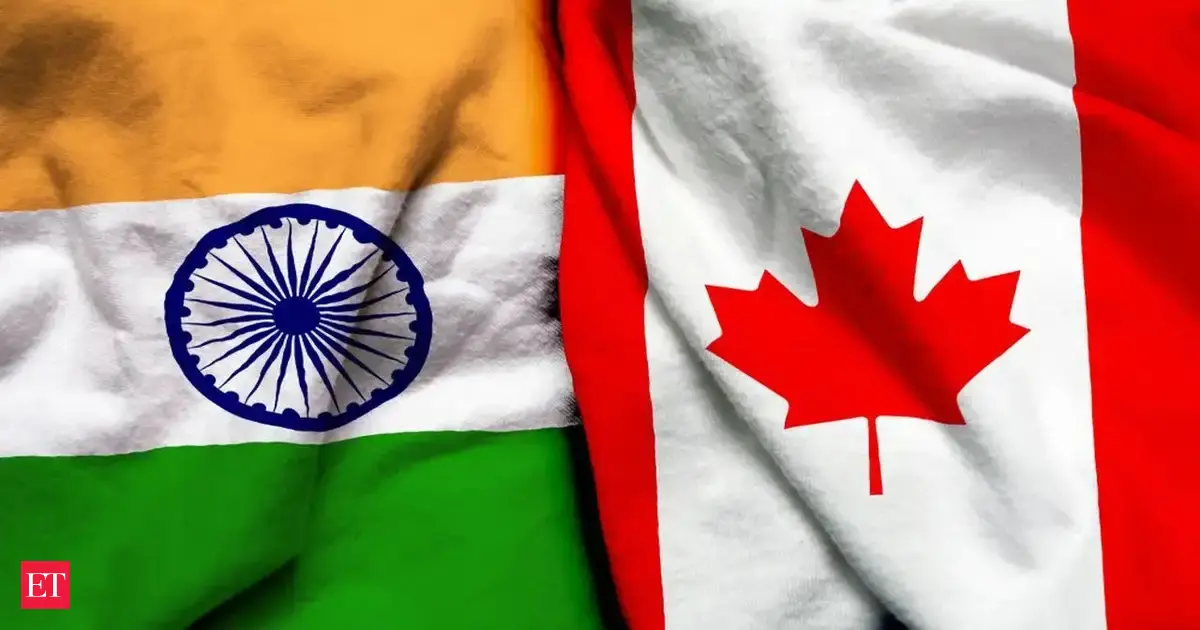
India and Canada are advancing negotiations for a Comprehensive Economic Partnership Agreement (CEPA) targeting conclusion by end-2026. The pact aims to liberalize trade and deepen economic cooperation between the two nations. Prime Minister Narendra Modi is expected to visit Canada later in 2025 to further strengthen bilateral ties. This development is significant for exams as it reflects India's expanding trade diplomacy and strategic engagement with key global partners.
Revision structure
Monthly events and exam calendar context
Static GK and one-liner notes
Quiz and mock-test revision path
Key points
Exam-ready takeaways
Target to conclude CEPA negotiations by end of 2026
Agreement aims to liberalize trade and strengthen economic cooperation
Prime Minister Narendra Modi plans visit to Canada later in 2025
Announcement made by Ministry of External Affairs (MEA)
Detailed analysis
Full exam-oriented breakdown
India and Canada's renewed push for a Comprehensive Economic Partnership Agreement (CEPA) marks a significant milestone in bilateral relations, reflecting New Delhi's strategic recalibration of trade diplomacy with Western democracies. The announcement by the Ministry of External Affairs (MEA) that negotiations aim to conclude by end-2026, coupled with Prime Minister Narendra Modi's planned visit to Canada later in 2025, signals a deliberate effort to reset ties after a period of diplomatic strain following the 2023 allegations surrounding the killing of Hardeep Singh Nijjar, a Khalistani separatist leader. Historically, India-Canada trade relations have been modest despite strong people-to-people links — bilateral merchandise trade stood at approximately USD 8.2 billion in 2023-24, with India exporting pharmaceuticals, textiles, and engineering goods, while importing pulses, potash, and timber. The CEPA aims to liberalize tariffs, harmonize regulatory standards, facilitate services trade (especially in IT, fintech, and professional services), and establish robust dispute settlement mechanisms — all under the framework of Article 246 and Entry 41 of the Union List (Seventh Schedule) of the Constitution, which empowers Parliament to legislate on international trade and agreements. The Department of Commerce, under the Ministry of Commerce and Industry, leads negotiations, guided by the Foreign Trade Policy (2023) and the broader Atmanirbhar Bharat vision. Key stakeholders include Indian exporters in pharma and auto components, Canadian pension funds investing in Indian infrastructure (e.g., CPPIB, OMERS), and the vibrant Indian diaspora in Canada (over 1.8 million), which acts as a bridge for innovation and capital flows. For India, the CEPA is not merely economic — it reinforces strategic alignment with a G7 nation, deepens cooperation in critical minerals (Canada holds vast reserves of lithium, cobalt, nickel essential for India's EV and battery ambitions under the National Critical Minerals Mission), and strengthens the Indo-Pacific narrative. The agreement also complements India's other ongoing FTAs with the UK, EU, and EFTA, showcasing a hub-and-spoke trade architecture. However, challenges remain: non-tariff barriers, data localization norms, agricultural market access (especially for Canadian pulses), and intellectual property rights (IPR) enforcement. The 2025 PM visit could serve as a political catalyst to unlock stalled chapters. From a governance perspective, the CEPA will require parliamentary scrutiny under Article 73 (executive power co-extensive with legislative power) and potential ratification, though trade agreements are typically executive-driven. For aspirants, this development epitomizes the intersection of economic diplomacy, federalism (states like Punjab and Gujarat have stake in agro-trade), and foreign policy — a recurring theme in UPSC GS Paper II and III. Future implications include possible Canadian participation in the International Solar Alliance (ISA) and Coalition for Disaster Resilient Infrastructure (CDRI), both India-led initiatives, further institutionalizing the partnership.
How to study
Turn news into exam marks
Revise monthly events by exam family instead of reading random updates.
Pair one-liners with mock tests so mistakes become the next revision list.
Keep state job pages, calendar pages and GK packs connected in one path.