

U.S.-India trade agreement negotiations are virtually finished, with signing expected in 3-4 months
GK and monthly revision
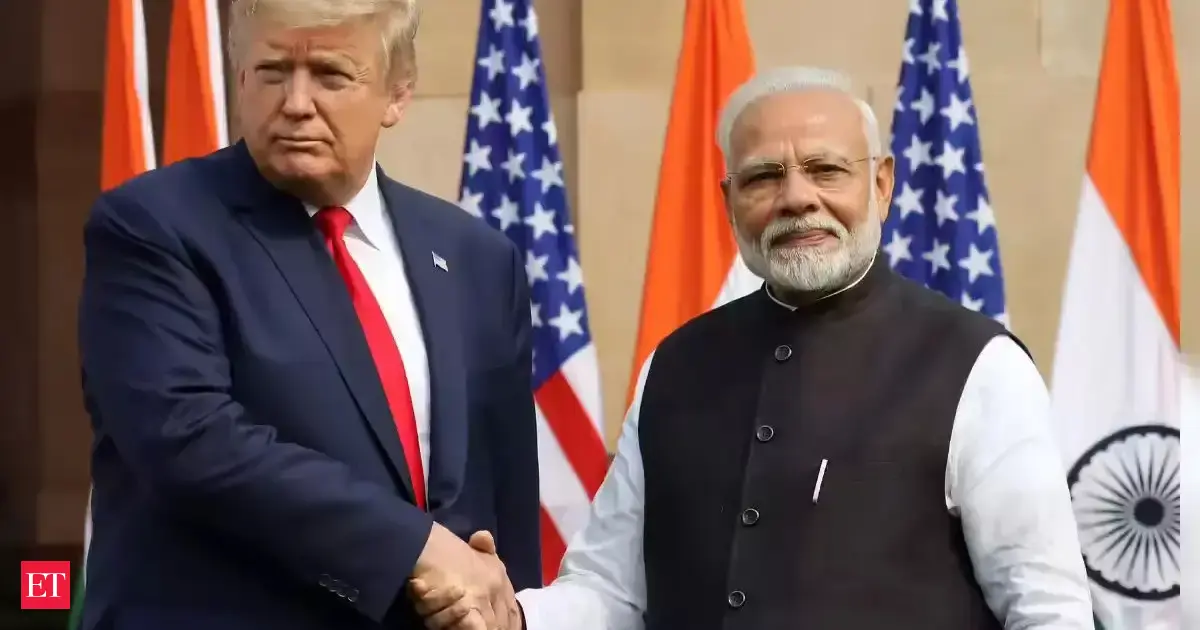
US-India trade deal could be signed in 3-4 months, US official says
The United States and India are nearing completion of a bilateral trade agreement, with negotiations virtually finalized. Only pending U.S. trade investigations into unfair practices remain before signing, expected within 3-4 months. The deal aims to expand market access and deepen economic ties between the two nations. This development is significant for exams as it reflects evolving Indo-U.S. strategic economic partnership and potential impacts on trade policy, tariffs, and global supply chains.
Revision structure
Monthly events and exam calendar context
Static GK and one-liner notes
Quiz and mock-test revision path
Key points
Exam-ready takeaways
Final hurdle: Completion of U.S. trade investigations into alleged unfair trade practices
Investigations may lead to retaliatory measures if unresolved before deal finalization
Agreement objectives: Expand market access and deepen bilateral economic ties
Progress on this deal may set precedent for similar agreements with other nations
Detailed analysis
Full exam-oriented breakdown
The announcement that a U.S.-India trade agreement could be signed within 3-4 months marks a pivotal moment in bilateral economic relations, reflecting years of strategic convergence between the world's oldest and largest democracies. To understand the significance, we must trace the trajectory: since the landmark 2008 Civil Nuclear Agreement, Indo-U.S. ties have deepened across defense, technology, and multilateral forums like the Quad (with Japan and Australia). However, trade remained a persistent irritant — from India's data localization norms and e-commerce rules to U.S. tariffs on steel/aluminum (Section 232) and removal of GSP benefits in 2019. The current negotiations, accelerated under the Biden administration's "friend-shoring" strategy, aim to resolve these through a comprehensive framework rather than piecemeal deals. Key stakeholders include the Office of the U.S. Trade Representative (USTR), India's Ministry of Commerce and Industry, and industry lobbies on both sides — U.S. tech giants seeking market access, Indian pharma and IT services demanding visa predictability, and agriculture sectors wary of import surges. The pending U.S. trade investigations under Section 301 (unfair trade practices) and Section 232 (national security tariffs) are critical; their resolution will determine whether the deal includes tariff rollbacks or new dispute mechanisms. Constitutionally, Article 246 read with Seventh Schedule (Union List, Entry 41) empowers Parliament to legislate on international trade, while Article 253 enables implementation of international agreements — the legal bedrock for any treaty ratification. For India, the stakes are multidimensional. Economically, enhanced market access could boost exports in pharmaceuticals, textiles, and IT services — sectors where India holds comparative advantage. The deal may also integrate India deeper into global supply chains, supporting the "China Plus One" diversification trend. Politically, it reinforces the strategic partnership amid Indo-Pacific security concerns, aligning with India's Act East Policy and SAGAR doctrine. Socially, job creation in export-oriented sectors could address demographic pressures. However, risks remain: agricultural sensitivity (e.g., dairy, almonds), intellectual property pressures on generic pharma, and digital trade rules conflicting with India's data sovereignty stance (Digital Personal Data Protection Act, 2023). Broader themes emerge: this reflects a shift from multilateralism (WTO paralysis) to plurilateral/bilateral arrangements, testing India's negotiating capacity. It also intersects with domestic reforms — PLI schemes, logistics upgrades (PM Gati Shakti), and ease of doing business — to make Indian exports competitive. Future implications include potential sectoral annexes (digital trade, green energy, critical minerals), a dispute settlement mechanism bypassing WTO's stalled Appellate Body, and spillover effects on India-EU FTA and IPEF negotiations. Aspirants must track the final text, especially on labor/environment chapters, rules of origin, and whether Parliament ratifies it — a test of cooperative federalism under Article 252 if states' interests are affected. This deal is not just about tariffs; it's a strategic compact shaping India's economic sovereignty in a fragmented global order.
How to study
Turn news into exam marks
Revise monthly events by exam family instead of reading random updates.
Pair one-liners with mock tests so mistakes become the next revision list.
Keep state job pages, calendar pages and GK packs connected in one path.