

India achieved 42% decline in undernourished population over two decades (2000-2020 period implied)
GK and monthly revision
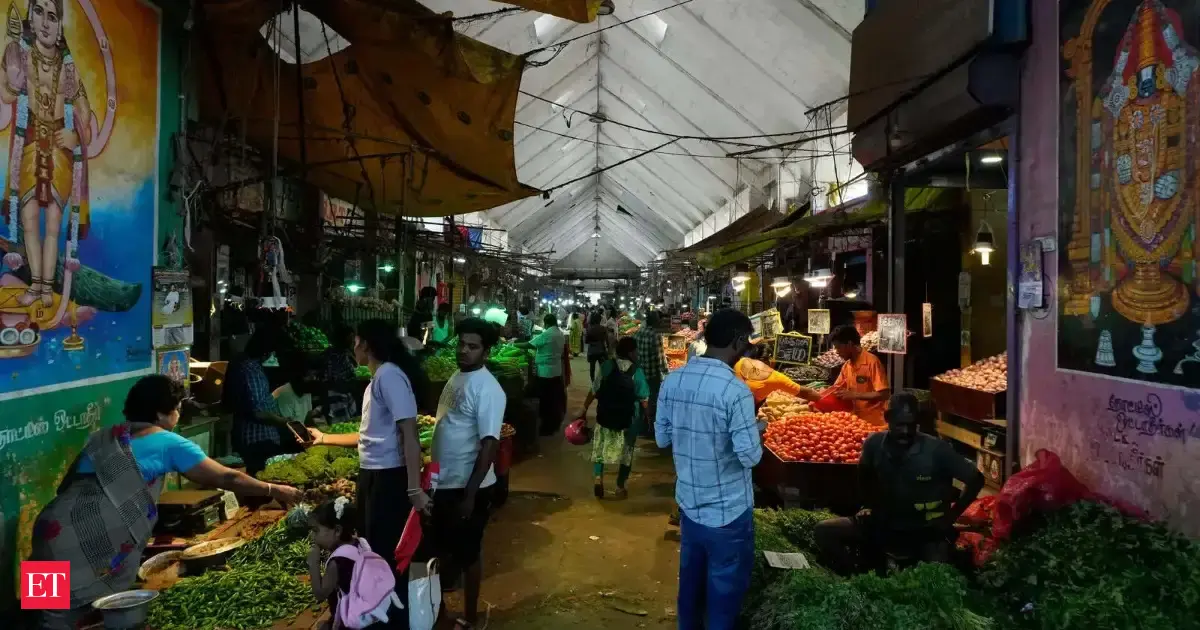
ET Graphics: India is winning the battle against hunger, but not food costs
India has achieved a 42% decline in undernourished people over two decades, with significant reduction in those unable to afford a healthy diet, outpacing global trends in hunger and malnutrition reduction. However, the cost of a healthy diet has risen by over a third, posing new challenges. These findings come from a new UN Food and Agriculture Organization (FAO) report, highlighting progress in food security but persistent affordability issues.
Revision structure
Monthly events and exam calendar context
Static GK and one-liner notes
Quiz and mock-test revision path
Key points
Exam-ready takeaways
Number of Indians unable to afford a healthy diet fell significantly, outpacing global hunger reduction trends
Cost of a healthy diet in India increased by over 33% (more than a third) during the same period
Findings based on new report by UN Food and Agriculture Organization (FAO)
Progress in undernourishment reduction contrasts with rising food affordability challenges
Detailed analysis
Full exam-oriented breakdown
India's remarkable 42% decline in undernourishment over two decades represents one of the most significant yet underappreciated achievements in global food security. According to the latest UN Food and Agriculture Organization (FAO) report, this progress has outpaced global trends, positioning India as a critical case study in hunger reduction. The period under review (approximately 2000-2020) coincides with India's economic liberalization aftermath, sustained GDP growth averaging 6-7%, and the implementation of landmark food security legislation. The National Food Security Act (NFSA), 2013 — enacted under Article 21 (Right to Life) and Directive Principles of State Policy (Article 47) — legally entitled 67% of the population to subsidized food grains through the Targeted Public Distribution System (TPDS), covering nearly 800 million beneficiaries. This legislative framework, combined with the Mid-Day Meal Scheme (now PM POSHAN), Integrated Child Development Services (ICDS), and the Pradhan Mantri Garib Kalyan Anna Yojana (PMGKAY) during COVID-19, created a multi-layered safety net that directly contributed to the undernourishment decline. However, the FAO report simultaneously reveals a troubling paradox: the cost of a healthy diet in India has risen by over 33% during the same period. This affordability crisis stems from structural factors — rising prices of nutrient-dense foods (fruits, vegetables, dairy, proteins) outpacing staple cereals, supply chain inefficiencies, inadequate cold storage infrastructure (India loses ~15% of horticulture produce post-harvest), and increasing climate vulnerability affecting crop yields. The Consumer Food Price Index (CFPI) has consistently shown double-digit inflation in perishables, making dietary diversity a luxury for low-income households. This disconnect between caloric sufficiency and nutritional adequacy explains India's persistent 'hidden hunger' — high rates of anemia (57% women aged 15-49, NFHS-5), stunting (35.5% children under 5), and wasting (19.3%) despite grain self-sufficiency. Key stakeholders include the Ministry of Agriculture & Farmers' Welfare, Ministry of Consumer Affairs, Food & Public Distribution, NITI Aayog (which monitors SDG 2: Zero Hunger targets), state governments implementing PDS reforms (like Odisha's decentralized procurement and Tamil Nadu's universal PDS), and international bodies (FAO, WFP, IFAD). The private sector's role in food processing, fortification (e.g., rice fortification mandated in PDS from 2024), and supply chain investment is increasingly critical. Constitutionally, Article 47 mandates the State to raise nutrition levels and living standards, while Article 21 has been judicially expanded (People's Union for Civil Liberties v. Union of India, 2001) to include the right to food. The NFSA, 2013 operationalizes this through legal entitlements. Globally, India's progress influences its standing in the Global Hunger Index (GHI) and SDG 2.1 (undernourishment) and 2.2 (malnutrition) reporting. Future implications are profound. Without addressing diet cost inflation through agricultural diversification (promoting millets/nutri-cereals under the International Year of Millets 2023), supply chain modernization (Operation Greens, Kisan Rail), and income support for dietary diversity, India risks a 'nutrition transition' where undernutrition coexists with rising obesity and non-communicable diseases. The 15th Finance Commission's health grants and the proposed 'Right to Nutrition' framework could be game-changers. For aspirants, this duality — quantitative success vs. qualitative challenge — is the core analytical lens for governance, economy, and social justice questions.
How to study
Turn news into exam marks
Revise monthly events by exam family instead of reading random updates.
Pair one-liners with mock tests so mistakes become the next revision list.
Keep state job pages, calendar pages and GK packs connected in one path.