

The Reserve Bank of India (RBI) net sold foreign exchange in October.
GK and monthly revision
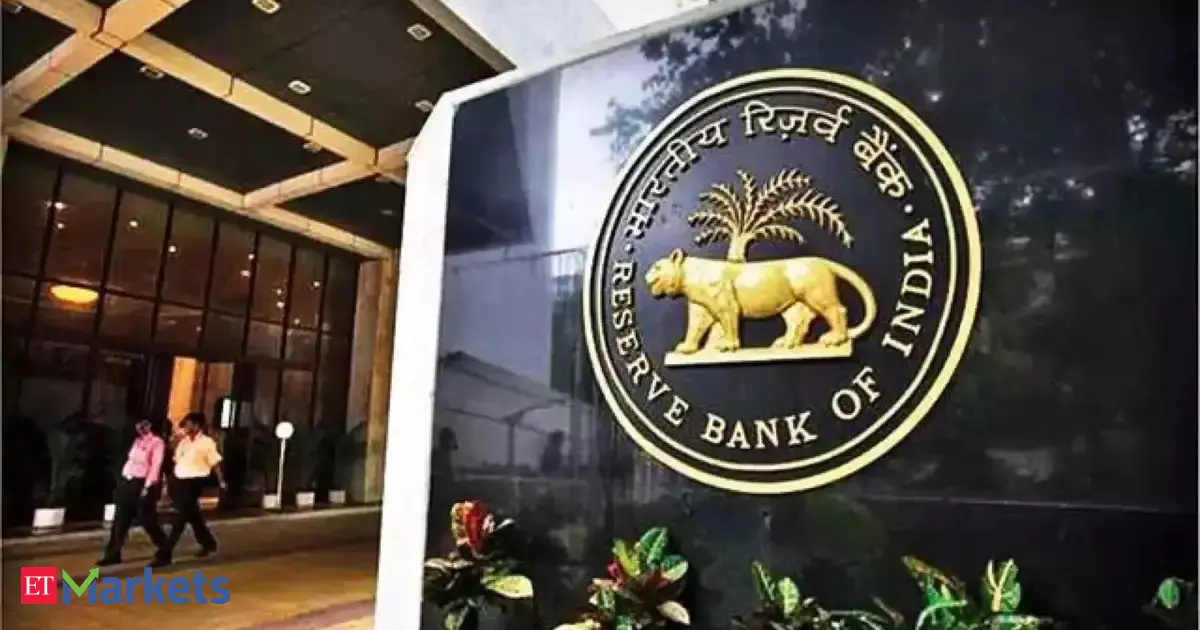
RBI net sold $11.88 billion in October to arrest rupee's fall, bulletin shows
The Reserve Bank of India net sold $11.88 billion in the foreign exchange market during October. This significant intervention demonstrates the central bank's active role in managing currency volatility and preventing a sharp depreciation of the Indian Rupee. For competitive exams, this highlights RBI's monetary policy tools, its function in maintaining financial stability, and the dynamics of forex market operations.
Revision structure
Monthly events and exam calendar context
Static GK and one-liner notes
Quiz and mock-test revision path
Key points
Exam-ready takeaways
The total amount of foreign exchange net sold by RBI was $11.88 billion.
This intervention occurred specifically during the month of October.
The primary objective of this action was to arrest the fall of the Indian Rupee.
The data reflecting this intervention was released via the RBI's bulletin on a Monday.
Detailed analysis
Full exam-oriented breakdown
The Reserve Bank of India's (RBI) action of net selling $11.88 billion in the foreign exchange market during October is a classic example of its active role in managing currency volatility and maintaining financial stability. This intervention underscores the central bank's commitment to preventing sharp depreciation of the Indian Rupee, especially during periods of global economic flux. **Background Context: Why the Rupee Needed Support** To understand RBI's intervention, we must first grasp the factors that typically lead to rupee depreciation. A falling rupee means it takes more rupees to buy one unit of a foreign currency, typically the US dollar. In October, several global and domestic factors likely put pressure on the rupee. Globally, a strong US dollar index (DXY) driven by aggressive interest rate hikes by the US Federal Reserve often leads to capital outflows from emerging markets like India, as investors seek higher, safer returns in the US. Furthermore, elevated global crude oil prices significantly impact India, a major oil importer, increasing its import bill and creating demand for dollars. Geopolitical tensions and concerns about a global economic slowdown can also prompt foreign institutional investors (FIIs) to withdraw funds from Indian markets, selling rupees and buying dollars, thus weakening the rupee. The RBI operates under a 'managed float' exchange rate regime, meaning it does not target a specific exchange rate but intervenes to curb excessive volatility. Its primary objective, as per the Monetary Policy Framework Agreement signed with the Government of India in 2015, is to maintain price stability while keeping in mind the objective of growth. A rapidly depreciating rupee can fuel imported inflation, making goods like crude oil, edible oils, and electronics more expensive, which directly impacts the common citizen and undermines price stability. **What Happened: RBI's Strategic Intervention** In October, the RBI net sold $11.88 billion. This means the central bank supplied dollars to the market and absorbed rupees. By increasing the supply of dollars, the RBI aims to cool down the demand for the US currency, thereby preventing further depreciation of the rupee. This action is a direct measure to stabilize the exchange rate. While such interventions help arrest a sharp fall, they also lead to a depletion of India's foreign exchange reserves. India's forex reserves, which include foreign currency assets, gold, Special Drawing Rights (SDRs), and the reserve position in the IMF, act as a buffer against external shocks. A decline in these reserves indicates the extent of RBI's efforts to defend the rupee. **Key Stakeholders and Their Interests** 1. **Reserve Bank of India (RBI)**: The primary stakeholder, responsible for monetary policy, financial stability, and exchange rate management. Its goal is to ensure orderly market conditions and prevent excessive volatility that could harm the economy. 2. **Government of India (GoI)**: Benefits from a stable rupee as it helps control inflation, particularly imported inflation, and reduces the cost of servicing external debt. However, a slightly weaker rupee can also make exports more competitive. 3. **Importers**: Prefer a stronger rupee as it makes their imports cheaper, reducing their operational costs. 4. **Exporters**: Generally prefer a weaker rupee as it makes their goods and services more competitive in international markets, fetching more rupees for the same dollar value. 5. **Foreign Institutional Investors (FIIs)/Foreign Portfolio Investors (FPIs)**: Their investment decisions heavily influence forex flows. Large outflows can put significant pressure on the rupee, while inflows strengthen it. 6. **Domestic Consumers**: Directly impacted by the rupee's value through imported inflation on essential goods and commodities. **Why This Matters for India: Economic Stability and Beyond** RBI's intervention is crucial for India's economic stability. A stable rupee helps anchor inflation expectations, which is vital for the RBI's primary mandate. Uncontrolled rupee depreciation can lead to a higher import bill, especially for critical items like crude oil, which in turn can lead to higher domestic fuel prices and broader inflationary pressures. This can erode the purchasing power of citizens and negatively impact economic growth. Furthermore, currency stability is essential for attracting and retaining foreign investment, which is critical for India's long-term growth trajectory and job creation. Excessive volatility can deter FIIs, making India a less attractive investment destination. From a broader governance perspective, a stable economy contributes to social stability and allows the government to focus on developmental policies rather than crisis management. **Historical Context and Policy Framework** India's exchange rate management has evolved significantly. Post-independence, India largely operated under a fixed exchange rate regime. The 1991 Balance of Payments crisis forced a major shift towards a market-determined exchange rate, eventually leading to the 'managed float' system. The RBI's interventions are guided by the **Reserve Bank of India Act, 1934**, which establishes its powers and functions, and the **Foreign Exchange Management Act (FEMA), 1999**, which replaced the more restrictive Foreign Exchange Regulation Act (FERA), 1973. FEMA's objective is to facilitate external trade and payments and promote the orderly development and maintenance of the foreign exchange market in India. These legislative frameworks empower the RBI to conduct such operations to maintain orderly market conditions. **Future Implications** The future trajectory of the rupee and the need for further RBI intervention will largely depend on global factors, particularly the US Federal Reserve's monetary policy, global crude oil prices, and FII sentiment. If global headwinds persist, the RBI might continue to intervene, albeit judiciously, to prevent extreme volatility. This could mean continued pressure on India's forex reserves. The government, in tandem with the RBI, may also explore fiscal measures to support the economy and manage the current account deficit, which is another key determinant of rupee stability. The RBI's actions are a delicate balancing act, aiming to support the rupee without unduly depleting reserves or hindering export competitiveness.
How to study
Turn news into exam marks
Revise monthly events by exam family instead of reading random updates.
Pair one-liners with mock tests so mistakes become the next revision list.
Keep state job pages, calendar pages and GK packs connected in one path.