

Relevant for Exams
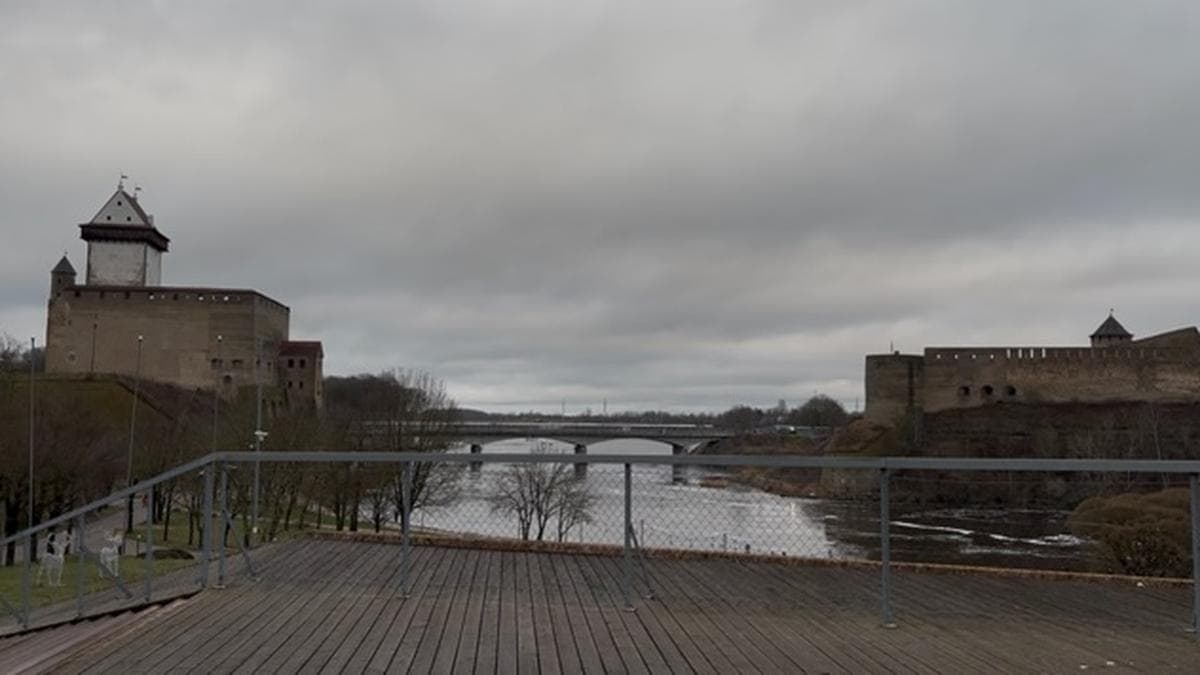
Estonia's Narva, Europe's most Russian-speaking city, highlights Baltic geopolitical dynamics.
Summary
Narva, an Estonian city bordering Russia, is notable for its demographic composition, with over 96% Russian speakers among its 53,000 residents. This makes it Europe's most Russian-speaking town, highlighting the unique cultural and political dynamics in the Baltic region. For competitive exams, understanding such geopolitical hotspots and their demographic features is crucial for questions on international relations and geography.
Key Points
- 1Narva is an Estonian city located on the border with Russia.
- 2It is situated approximately 201 km away from Estonia's capital, Tallinn.
- 3Narva is recognized as the most Russian-speaking town in Europe.
- 4Over 96% of Narva's residents are Russian speakers.
- 5The city of Narva has a population of roughly 53,000 residents.
In-Depth Analysis
Narva, a city in northeastern Estonia, presents a fascinating case study in post-Soviet geopolitics, identity, and the complex interplay between national sovereignty and minority rights. Situated just across the Narva River from Russia, its unique demographic profile – with over 96% of its roughly 53,000 residents being Russian speakers – makes it the most Russian-speaking town in Europe. Understanding Narva's context is crucial for grasping the broader dynamics of the Baltic region and Russia's relationship with its former Soviet republics.
**Background Context and Historical Roots:**
Estonia, like its Baltic neighbors Latvia and Lithuania, endured decades of Soviet occupation from 1940 to 1991. During this period, the Soviet regime implemented policies of Russification and industrialization, encouraging ethnic Russians and other Soviet citizens to migrate to these republics. Narva, a strategically important industrial hub, saw a significant influx of Russian-speaking workers, particularly after World War II, which devastated its pre-war Estonian population. This demographic shift was deliberate, aiming to integrate these regions more closely into the Soviet Union and dilute local national identities. Upon regaining independence in 1991, Estonia faced the challenge of nation-building with a substantial Russian-speaking minority, many of whom had moved to Estonia during the Soviet era and had limited or no proficiency in the Estonian language.
**The Current Situation and Key Stakeholders:**
Today, Narva embodies the phrase "United in fear, divided in politics." The fear stems from the ongoing Russia-Ukraine conflict, which has heightened anxieties across the Baltic states about potential Russian aggression. Narva's proximity to the Russian border and its overwhelming Russian-speaking population make it a focal point for such concerns. The "divided in politics" aspect refers to the complex loyalties and identities within Narva's population. While many identify culturally with Russia, their political allegiance is to Estonia, an EU and NATO member state. The Estonian government, a primary stakeholder, seeks to integrate its Russian-speaking population, promote Estonian language and culture, and safeguard national security. Its Citizenship Law of 1995 (with subsequent amendments) requires proficiency in Estonian for naturalization, which has led to a segment of the Russian-speaking population being "non-citizens" or stateless, further complicating integration efforts. The Russian government, another key stakeholder, often leverages its "compatriots policy" to advocate for the rights of ethnic Russians abroad, sometimes perceived by Baltic states as a pretext for interference. The Russian-speaking residents of Narva themselves are crucial stakeholders, navigating their dual identities, economic challenges, and the desire for social inclusion within Estonia while maintaining cultural ties to Russia. Finally, international bodies like the European Union and NATO are stakeholders, supporting Estonia's sovereignty and integration efforts, and viewing the stability of the Baltic region as vital for broader European security.
**Significance for India and Broader Themes:**
For India, understanding the Narva situation offers valuable insights into several broader themes. Firstly, it highlights the complexities of **geopolitics and international relations**, particularly concerning Russia's foreign policy and its relations with neighboring states. India, navigating a multi-polar world and maintaining strategic autonomy, benefits from a nuanced understanding of such regional flashpoints. Secondly, it provides a comparative lens on **minority rights, national integration, and language policy**. India, a diverse nation with constitutional provisions for minority protection (e.g., Article 29 and 30 safeguarding cultural and educational rights of minorities), can draw lessons from Estonia's experiences, both positive and challenging, in integrating diverse linguistic and ethnic groups. While India's context is different, the challenges of fostering a shared national identity amidst linguistic and cultural diversity resonate. Thirdly, the economic implications, though not direct, are relevant. Stability in Europe impacts global trade and investment, which indirectly affects India's economic interests. Lastly, the discussion around potential hybrid warfare and information operations in the Baltic region underscores the evolving nature of security threats, a critical consideration for India's defense and foreign policy under **Article 51** of its Constitution, which promotes international peace and security.
**Future Implications:**
The future of Narva and Estonia's Russian-speaking minority remains a critical issue. Continued efforts by the Estonian government to promote language learning and civic integration are essential. The ongoing Russia-Ukraine conflict will likely keep tensions high, potentially leading to increased Russian information warfare or attempts to sow discord. However, Estonia's strong ties with the EU and NATO provide a robust security umbrella. The challenge for Estonia, and for the international community, is to ensure the full integration and well-being of the Russian-speaking population while safeguarding national sovereignty and democratic values. The situation in Narva will continue to be a barometer for the broader relationship between Russia and the West, influencing regional stability and the future of identity politics in post-Soviet states.
Exam Tips
This topic primarily falls under 'International Relations' and 'World Geography' in UPSC Civil Services Exam (GS Paper 2 & 1 respectively), and 'General Awareness' for SSC, Banking, and State PSC exams. Focus on mapping skills for location-based questions (Estonia, Narva, Baltic Sea).
Study related topics such as the history of Baltic states (Soviet occupation, independence), NATO expansion, Russia's 'compatriots policy', and the geopolitical implications of the Russia-Ukraine conflict. Understand the concept of statelessness and minority rights in a global context.
Common question patterns include: factual questions (e.g., 'Which European city has the highest percentage of Russian speakers?'), analytical questions on Russia's foreign policy objectives in its 'near abroad', and comparative questions on national integration policies for linguistic minorities in different countries.
Related Topics to Study
Full Article
Some 201 km away from capital Tallinn, Narva is the most Russian speaking town of Europe with over 96% Russian speakers among its roughly 53,000 residents.