


Relevant for Exams
ECI mandates home verification for elderly, ailing, disabled voters during West Bengal's SIR hearings.
Summary
The Election Commission of India (ECI) has directed home verification for elderly, ailing, and disabled voters during the Special Summary Revision (SIR) hearings in West Bengal. This move comes after a backlash, aiming to ensure accessibility and address concerns regarding the participation of vulnerable groups in the electoral process. It highlights the ECI's commitment to inclusive elections and is crucial for understanding electoral reforms and voter rights in India.
Key Points
- 1The Election Commission of India (ECI) issued a directive for home verification.
- 2The verification specifically targets elderly persons, ailing individuals, and persons with disabilities.
- 3This process is to be conducted during the Special Summary Revision (SIR) hearings.
- 4The directive applies to the state of West Bengal.
- 5The ECI's action follows a backlash, aiming to ensure inclusive electoral participation.
In-Depth Analysis
The Election Commission of India (ECI)'s directive for home verification of elderly, ailing, and disabled voters during the Special Summary Revision (SIR) hearings in West Bengal marks a significant step towards ensuring electoral inclusivity. This move, prompted by a 'backlash,' underscores the ECI's commitment to upholding the fundamental right to vote for all eligible citizens, especially those who face physical barriers to participation.
**Background Context: Ensuring an Accurate and Inclusive Electoral Roll**
Electoral rolls are the bedrock of any democratic election, serving as the official list of eligible voters. Their accuracy is paramount for free and fair elections. The ECI periodically undertakes a 'Special Summary Revision' (SIR) of electoral rolls to update them. This process typically involves inviting claims and objections from citizens regarding additions, deletions, or corrections to the voter list. Citizens are usually required to appear before Electoral Registration Officers (EROs) or Booth Level Officers (BLOs) to verify their details or submit claims. However, this traditional method often poses significant challenges for vulnerable groups such as the elderly, those with chronic illnesses, and persons with disabilities (PwD). Their physical inability to travel to verification centers or attend hearings can lead to their inadvertent exclusion from the electoral roll, effectively disenfranchising them. The 'backlash' mentioned likely refers to complaints or concerns raised by civil society organizations, political parties, or individuals regarding the difficulties faced by these groups during the SIR process in West Bengal, highlighting the systemic barriers to their electoral participation.
**The ECI's Directive and Key Stakeholders**
In response to these concerns, the ECI has issued a directive specifically for West Bengal, mandating home verification for elderly, ailing, and disabled voters during SIR hearings. This means that instead of these individuals having to travel, ECI officials will visit their residences to conduct the necessary verification. This proactive measure aims to remove physical barriers and ensure that no eligible voter is left out due to mobility issues. The key stakeholders in this process are:
* **The Election Commission of India (ECI)**: As a constitutional body established under Article 324, the ECI is tasked with the superintendence, direction, and control of elections. This directive showcases its proactive role in safeguarding democratic principles and ensuring accessibility.
* **Voters (Elderly, Ailing, Persons with Disabilities)**: These are the primary beneficiaries, whose right to vote (enshrined indirectly through universal adult franchise under Article 326) is being directly facilitated.
* **State Election Machinery (West Bengal)**: Comprising Electoral Registration Officers (EROs), Assistant EROs, and Booth Level Officers (BLOs), this machinery is responsible for the ground-level implementation of the directive, including conducting home visits.
* **Political Parties and Civil Society Organizations**: These groups often act as watchdogs, highlighting issues of electoral access and ensuring the proper implementation of such directives.
**Significance for Indian Democracy and Constitutional Framework**
This directive holds immense significance for Indian democracy. Firstly, it reinforces the principle of 'inclusive democracy,' ensuring that the electoral process is accessible to all segments of society, regardless of their physical condition. The right to vote is a cornerstone of universal adult franchise, explicitly mentioned in Article 326 of the Constitution, which states that elections to the House of the People and to the Legislative Assemblies of States shall be on the basis of adult suffrage. This move directly supports this constitutional mandate by overcoming practical hurdles.
Secondly, it aligns with broader electoral reforms aimed at enhancing voter participation and electoral integrity. The Representation of the People Act, 1950, which deals with the preparation and revision of electoral rolls, provides the legal framework for such exercises. Furthermore, the Rights of Persons with Disabilities Act, 2016, mandates reasonable accommodation for PwD in all spheres, including electoral processes. The ECI has consistently taken steps, such as providing postal ballot facilities for certain categories of voters (including PwD and those above 80 years since 2019), ensuring accessible polling stations, and appointing PwD observers, to make elections more inclusive. This home verification step is a logical extension of these efforts, demonstrating the ECI's adaptive and responsive governance.
**Future Implications**
While currently implemented in West Bengal, this directive could set a precedent for nationwide adoption. Its successful implementation could lead to increased voter turnout among vulnerable groups, strengthening the democratic representation of these often-marginalized sections. It also signals a move towards a more citizen-centric approach to electoral administration, where the onus is on the state to facilitate participation rather than on the individual to overcome barriers. However, challenges remain, including the logistical complexities of conducting widespread home verifications, ensuring the integrity of the process, and allocating sufficient resources. Despite these challenges, the ECI's move is a commendable step towards making India's electoral democracy truly universal and inclusive, reflecting a deeper commitment to the constitutional ideals of equality and justice for all citizens.
Exam Tips
This topic falls under the 'Indian Polity and Governance' section of the UPSC Civil Services Exam (GS-II) and State PSC exams. For SSC, Banking, and Railway exams, expect factual questions related to the ECI, its functions, and key electoral reforms.
Study the Election Commission of India (ECI) in detail: its constitutional status (Article 324), composition, powers, and functions. Also, focus on electoral reforms undertaken by the ECI over the years, especially those related to voter accessibility and inclusion (e.g., postal ballots, PwD-friendly polling stations).
Common question patterns include: Prelims may ask about the constitutional articles related to elections (e.g., Article 324, 326), provisions of the Representation of the People Act, or recent ECI initiatives for specific voter groups. Mains questions could involve analyzing the role of the ECI in ensuring free and fair elections, challenges to electoral integrity, or measures needed to enhance voter participation, especially for vulnerable sections.
Related Topics to Study
Full Article
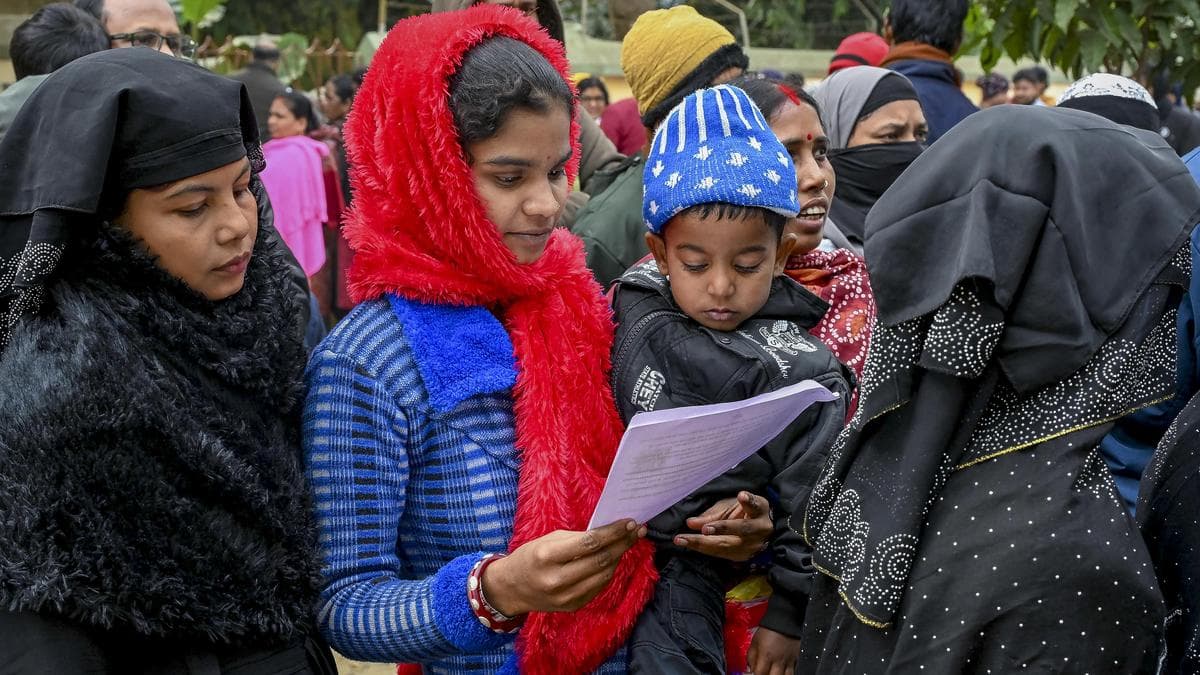
Notices of hearings have already been sent to several elderly persons as well as persons with disabilities in The State.