


Relevant for Exams
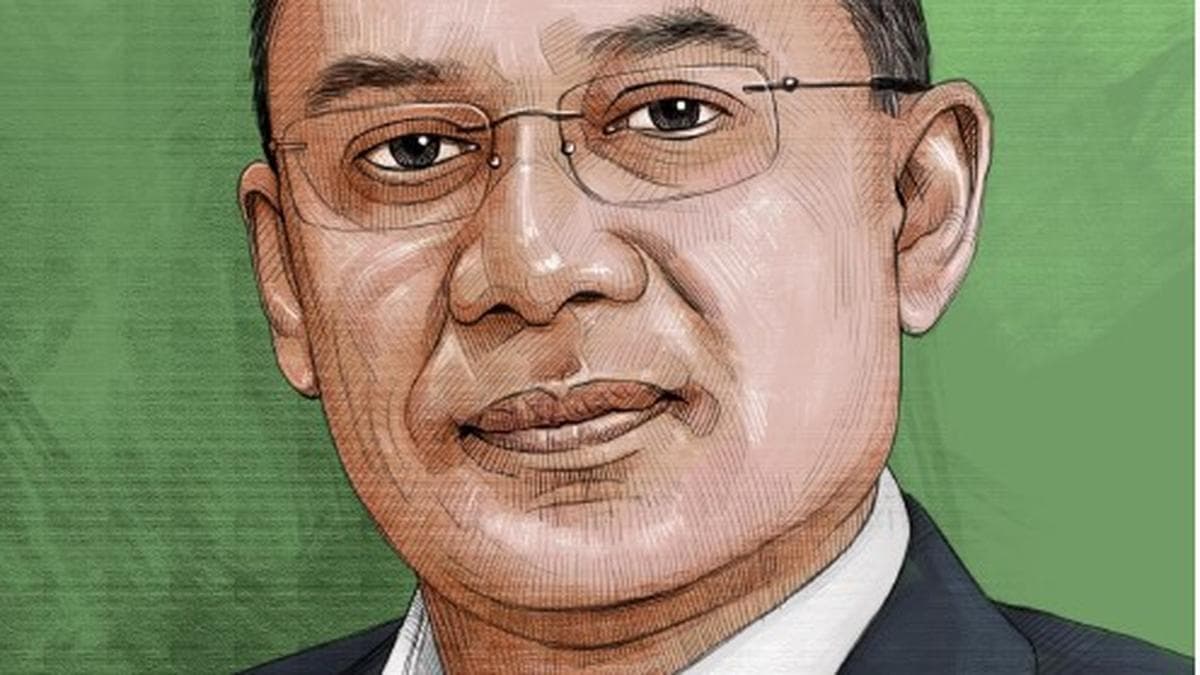
Tarique Rahman returns to Bangladesh from exile, signaling political shift ahead of post-Hasina elections.
Summary
Tarique Rahman, acting chairman of the Bangladesh Nationalist Party (BNP), has returned to Bangladesh from self-imposed exile in London. His return is critical as the nation prepares for its first post-Hasina elections amidst widespread protests and mob violence. This development is significant for understanding political stability in India's neighbouring country and its regional implications, making it relevant for general awareness sections of competitive exams.
Key Points
- 1Tarique Rahman is the acting chairman of the Bangladesh Nationalist Party (BNP).
- 2He returned to Bangladesh from a self-imposed exile in London.
- 3His return coincides with Bangladesh preparing for its first post-Hasina elections.
- 4Bangladesh is currently experiencing protests and mob violence.
- 5The Bangladesh Nationalist Party (BNP) is a major political party in Bangladesh.
In-Depth Analysis
The political landscape of Bangladesh, a crucial neighbor to India, has recently witnessed a significant development: the return of Tarique Rahman, the acting chairman of the Bangladesh Nationalist Party (BNP), from his self-imposed exile in London. This event is not merely a personal journey but a highly charged political move, occurring as Bangladesh grapples with widespread protests, mob violence, and the anticipation of its first major electoral contest framed as 'post-Hasina elections'. Understanding this complex scenario is vital for competitive exam aspirants, especially concerning India's foreign policy and regional stability.
**Background Context and Historical Rivalry:**
Bangladesh's political history is marked by a deep-seated rivalry between two dominant parties: the Awami League (AL), led by current Prime Minister Sheikh Hasina, and the Bangladesh Nationalist Party (BNP). This rivalry dates back to the nation's founding, with their respective patriarchs, Sheikh Mujibur Rahman (Hasina’s father and Bangladesh’s founding father) and General Ziaur Rahman (Tarique’s father and former President), representing divergent ideological paths. The AL champions secularism and a strong bond with India, while the BNP often leans towards a more Islamic identity and a nuanced foreign policy. Tarique Rahman, the son of Ziaur Rahman and former Prime Minister Khaleda Zia, has been a controversial figure, facing numerous corruption charges, including the infamous 2004 Dhaka grenade attack case, which led to his conviction in absentia and subsequent self-exile to London in 2008. His return, therefore, signals a direct challenge to the incumbent Awami League government and a potential resurgence for the BNP.
**What Happened and Key Stakeholders:**
The central event is Tarique Rahman's return to Bangladesh after over a decade of exile. This move is strategically timed to galvanize the BNP's base ahead of crucial general elections. The nation is currently experiencing significant political unrest, characterized by protests and violence, largely orchestrated by the opposition demanding a caretaker government for free and fair elections. The key stakeholders involved are:
1. **Tarique Rahman and the BNP:** As the acting chairman, Rahman's presence on Bangladeshi soil could inject new life into the BNP, which has been largely marginalized under Sheikh Hasina's rule. He aims to consolidate opposition forces and present a formidable challenge in the upcoming elections.
2. **Sheikh Hasina and the Awami League:** The ruling party, in power since 2009, faces the challenge of maintaining stability, ensuring economic growth, and conducting elections amidst a charged political atmosphere. They view Rahman as a convicted criminal and a destabilizing force.
3. **The Bangladeshi Electorate:** The common citizens are caught between political rhetoric, economic pressures, and the desire for peace and democratic stability.
4. **India:** As Bangladesh's most significant neighbor, India is a critical stakeholder, closely monitoring developments due to their direct implications for its own security and regional interests.
**Significance for India:**
Bangladesh's political stability is paramount for India, aligning with its 'Neighbourhood First' policy. Any significant political upheaval or shift in power holds several implications:
* **Border Security:** Instability can lead to increased cross-border migration, creating refugee crises and potential security challenges along the porous 4,096-kilometer border. It can also be exploited by extremist elements.
* **Economic Ties:** India is a major trading partner and investor in Bangladesh. Political uncertainty can disrupt trade, delay infrastructure projects (like connectivity initiatives under BIMSTEC), and deter Indian investment, impacting India's Act East Policy.
* **Regional Geopolitics:** A stable, secular Bangladesh is crucial for India's regional influence, especially in countering growing Chinese influence in South Asia. A government less aligned with India could pose diplomatic challenges.
* **Counter-terrorism and Security:** India and Bangladesh have forged strong cooperation in counter-terrorism. Political instability could weaken this cooperation, potentially allowing anti-India groups to find safe haven.
* **Connectivity Projects:** Initiatives like the Agartala-Akhaura rail link and various inland waterways projects depend heavily on a stable political environment in Bangladesh for their successful implementation.
**Future Implications and Constitutional Context:**
Tarique Rahman's return is likely to intensify political polarization and could lead to more volatile elections. The BNP will likely push for electoral reforms and possibly a caretaker government, a demand the AL has historically rejected. The outcome of the elections will determine Bangladesh's trajectory and, consequently, its relationship with India. A change in government could lead to a reassessment of existing bilateral agreements and regional alignments. From India's perspective, maintaining a robust diplomatic channel with all major political forces in Bangladesh is essential to safeguard its interests, irrespective of who comes to power. India's foreign policy, guided by principles enshrined in Article 51 of its Constitution (promoting international peace and security), emphasizes good neighborly relations and regional stability. The domestic legal framework of Bangladesh, including its Constitution's provisions for elections and political parties, will be tested in the coming months as the nation navigates this critical political juncture.
In essence, Tarique Rahman's return from exile is a catalyst for heightened political drama in Bangladesh, with far-reaching implications for its internal stability, democratic future, and India's strategic interests in the region. Students should monitor these developments closely, understanding them within the broader context of South Asian geopolitics and India's foreign policy objectives.
Exam Tips
This topic falls under 'International Relations' and 'Current Affairs' for UPSC CSE (GS Paper II), 'General Awareness' for SSC and Banking exams, and 'National and International Events' for State PSCs. Focus on the political dynamics and their impact on India.
Study related topics like India-Bangladesh bilateral relations, major connectivity projects (e.g., Agartala-Akhaura rail link, Feni Bridge), regional groupings (BIMSTEC, SAARC), and border management challenges (e.g., illegal immigration, cattle smuggling) alongside this event.
Common question patterns include MCQs on key political figures (Tarique Rahman, Sheikh Hasina), political parties (BNP, Awami League), important bilateral agreements, and the geographical significance of Bangladesh. For Mains, expect analytical questions on the impact of Bangladesh's internal politics on India's security, economy, and foreign policy.
Related Topics to Study
Full Article
The acting chairman of the Bangladesh Nationalist Party, who returned to the country from a self-imposed exile in London, sends a message of inclusion as the nation, rocked by protests and mob violence, is preparing for its first post-Hasina elections