


Relevant for Exams
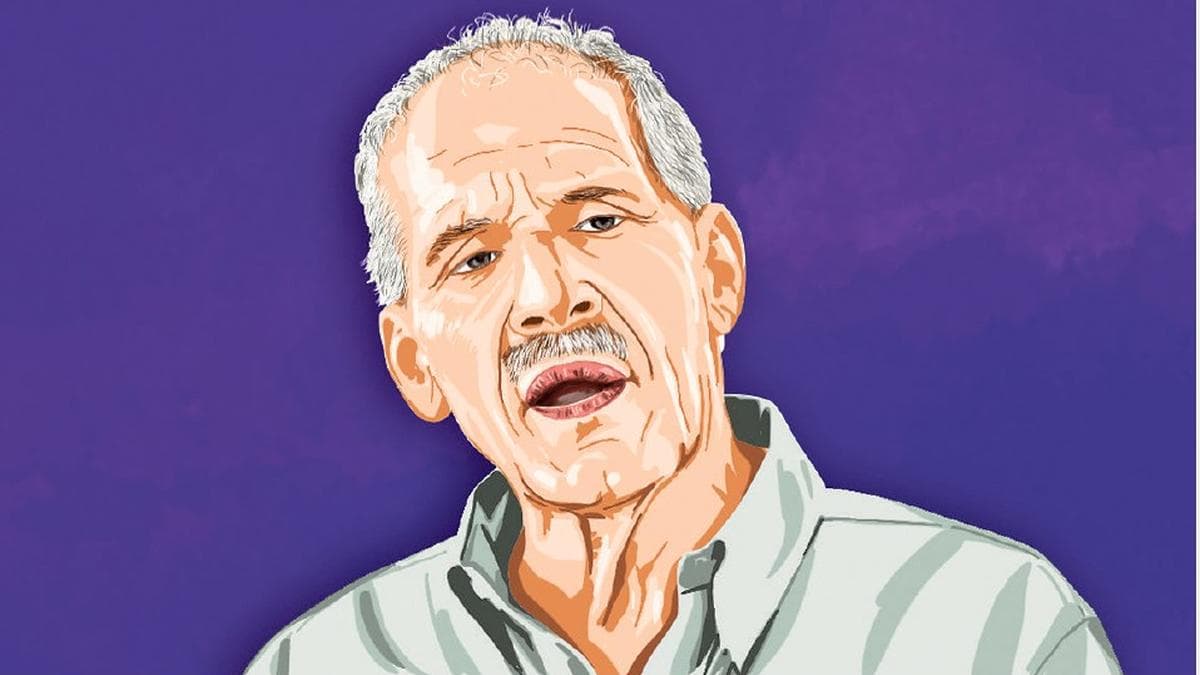
Nasry Asfura of Honduras's National Party wins election, endorsed by Donald Trump.
Summary
Nasry Asfura, a construction magnate from the right-wing National Party, secured a narrow victory in the Latin American nation of Honduras. His win, notably endorsed by then U.S. President Donald Trump, marks a significant political event in the region. This development is crucial for competitive exam aspirants to track international appointments and political leadership changes.
Key Points
- 1Nasry Asfura, a construction magnate, clinched a narrow victory in a Latin American nation.
- 2He belongs to the right-wing National Party.
- 3The Latin American nation where the victory occurred is Honduras.
- 4Asfura was endorsed by then U.S. President Donald Trump.
- 5The news highlights an important political appointment in Honduras.
In-Depth Analysis
The electoral victory of Nasry Asfura, a construction magnate from the right-wing National Party, in Honduras, though narrow and endorsed by then U.S. President Donald Trump, represented a critical juncture in the political landscape of the Central American nation. To truly grasp its implications for competitive exams, one must delve into the intricate layers of Honduran politics, regional dynamics, and broader international relations.
**Background Context and What Happened:** Honduras has a tumultuous political history marked by instability, military interventions, and significant U.S. influence. The nation experienced a severe constitutional crisis in 2009 with the ousting of President Manuel Zelaya, which led to years of political polarization and social unrest. The National Party, to which Asfura belongs, has been a dominant force in Honduran politics, often facing accusations of corruption and authoritarian tendencies. Asfura's victory came after a period where the National Party had already been in power, suggesting a continuation of a certain political trajectory, albeit amidst strong public sentiment for change. The election itself was highly contentious, reflecting deep divisions within the electorate, leading to the 'angry tide' mentioned, indicative of a populace grappling with issues of governance, poverty, and corruption.
**Key Stakeholders Involved:** The primary stakeholders include Nasry Asfura himself, representing the right-wing National Party and its traditional support base, including business elites. The Honduran electorate, deeply divided, is a crucial stakeholder, with many seeking an end to corruption and economic hardship. The U.S. government, particularly under the Trump administration, was another significant stakeholder, with President Trump's endorsement highlighting Washington's continued interest and influence in Central American affairs, often prioritizing regional stability and aligning with conservative governments. International observers and regional organizations also play a role in monitoring the democratic process, especially given Honduras's history of electoral controversies.
**Why This Matters for India:** While a political appointment in Honduras may seem geographically distant, it holds relevance for India in several ways. Firstly, it underscores the global dynamics of democracy and governance, themes crucial for India's foreign policy which champions democratic values. India, as a rising global power and a strong proponent of the Global South, seeks to engage with diverse nations. Understanding the political currents in Latin America, including the influence of major powers like the U.S., helps India calibrate its diplomatic and economic outreach to the region. India has been keen on expanding its trade and investment ties with Latin American countries, and political stability, or the lack thereof, directly impacts such engagements. The event also highlights the challenges faced by democracies worldwide, including issues of electoral integrity and external influence, which resonate with India's own commitment to strengthening democratic institutions globally.
**Historical Context and Broader Themes:** The U.S.'s involvement in Honduran politics is deeply rooted in history, dating back to the late 19th and early 20th centuries, often termed 'Banana Republic' era, where American corporations and government exerted significant control. The Monroe Doctrine historically shaped U.S. foreign policy in Latin America, viewing the region as its backyard. Asfura's endorsement by Trump is a modern manifestation of this enduring influence. This election also ties into broader themes of migration (Honduras is a significant source of migrants to the U.S.), economic development, the fight against drug trafficking, and the struggle for democratic consolidation in post-conflict or unstable regions.
**Future Implications:** Asfura's presidency was expected to continue the conservative policies of the National Party. This implied a potential continuation of economic policies aimed at attracting foreign investment, but also raised concerns about addressing social inequalities and corruption. His administration's relationship with the U.S. was likely to remain strong, given the endorsement. However, the narrow victory and the 'angry tide' suggested that his government would face significant domestic challenges, including public discontent and the need to restore faith in democratic institutions. The long-term implications for Honduras included the ongoing struggle to achieve sustainable development, reduce poverty, and strengthen democratic governance in a region often susceptible to external pressures and internal strife.
**Related Constitutional Articles, Acts, or Policies:** While direct Indian constitutional articles do not govern foreign elections, understanding such events is vital for comprehending India's foreign policy framework. The Preamble of the Indian Constitution, which enshrines principles like 'Sovereign, Socialist, Secular, Democratic, Republic', guides India's approach to international relations, promoting democracy and justice globally. Furthermore, Article 51 of the Directive Principles of State Policy mandates the state to 'promote international peace and security' and 'foster respect for international law and treaty obligations'. India's engagement with the UN and other multilateral forums to promote democratic values and stability in regions like Latin America stems from these constitutional ideals. The event also indirectly relates to India's 'Look West' policy or broader engagement with the Global South, where it seeks to build partnerships independent of traditional power blocs, requiring a nuanced understanding of local political dynamics and external influences.
Exam Tips
This topic primarily falls under the 'International Relations' and 'Current Events (World Affairs)' sections of the UPSC Civil Services Exam (General Studies Paper 2) and other competitive exams. Questions can be factual (e.g., 'Who was elected President of Honduras?') or analytical (e.g., 'Discuss the implications of external endorsements in democratic elections, with examples.').
Study the broader context of U.S. foreign policy in Latin America, including historical doctrines (Monroe Doctrine) and contemporary approaches. Also, understand the political and economic challenges faced by Central American nations, such as migration, drug trafficking, and governance issues.
Pay attention to the role of political parties (right-wing vs. left-wing), the impact of external endorsements, and the significance of 'narrow victories' in reflecting public sentiment and potential instability. Common question patterns involve matching leaders with countries or analyzing geopolitical influences.
Relate this event to India's growing engagement with Latin America and its 'South-South Cooperation' initiatives. Questions might ask about India's diplomatic or economic ties with the region and how global political stability impacts these relationships.
Related Topics to Study
Full Article
The construction magnate from the right-wing National Party, who was endorsed by U.S. President Donald Trump, clinched a narrow victory in the Latin American nation