


Relevant for Exams
Assam draft voter roll flags over 10 lakh names for deletion/correction after survey.
Summary
Assam's draft voter roll has flagged over 10 lakh names for deletion or correction following a comprehensive door-to-door survey. This significant exercise is part of the ongoing electoral roll revision process aimed at ensuring the accuracy and integrity of the voter list in the state. For competitive exams, this highlights the administrative process of electoral roll management and its implications for demographic and citizenship concerns in Assam.
Key Points
- 1The draft voter roll in Assam identified over 10 lakh (1 million) names for deletion or correction.
- 2This extensive flagging of names was a direct result of a comprehensive door-to-door survey conducted across the state.
- 3The exercise is an integral part of the ongoing electoral roll revision process mandated by the Election Commission of India.
- 4The large number of flagged names underscores the focus on ensuring accuracy and purity of the voter list in Assam.
- 5Such revisions are crucial for maintaining electoral integrity, especially in states with complex demographic histories like Assam.
In-Depth Analysis
The flagging of over 10 lakh names for deletion or correction in Assam's draft voter roll, following an extensive door-to-door survey, represents a critical development in India's ongoing efforts to ensure electoral integrity and address complex demographic challenges. This exercise is not merely a routine administrative task but is deeply intertwined with Assam's unique history of migration, citizenship debates, and the quest for a definitive identity for its residents.
**Background Context and Historical Roots:**
Assam has a long and often turbulent history concerning illegal immigration, primarily from Bangladesh. This influx, particularly prominent during and after the 1971 Bangladesh Liberation War, led to significant demographic shifts, resource competition, and cultural anxieties among the indigenous population. This culminated in the Assam Movement (1979-1985), a six-year-long agitation demanding the identification and deportation of illegal immigrants. The movement concluded with the signing of the Assam Accord in 1985 between the Government of India, the Government of Assam, and the All Assam Students' Union (AASU), and the All Assam Gana Sangram Parishad (AAGSP). A key provision of this accord was setting March 24, 1971, as the cut-off date for determining citizenship in Assam. All persons who came to Assam prior to this date would be considered Indian citizens, while those who arrived after would be deemed illegal immigrants. This historical backdrop makes the accuracy of electoral rolls particularly sensitive and crucial in the state, as the voter list is often seen as a de facto registry of citizenship.
**What Happened:**
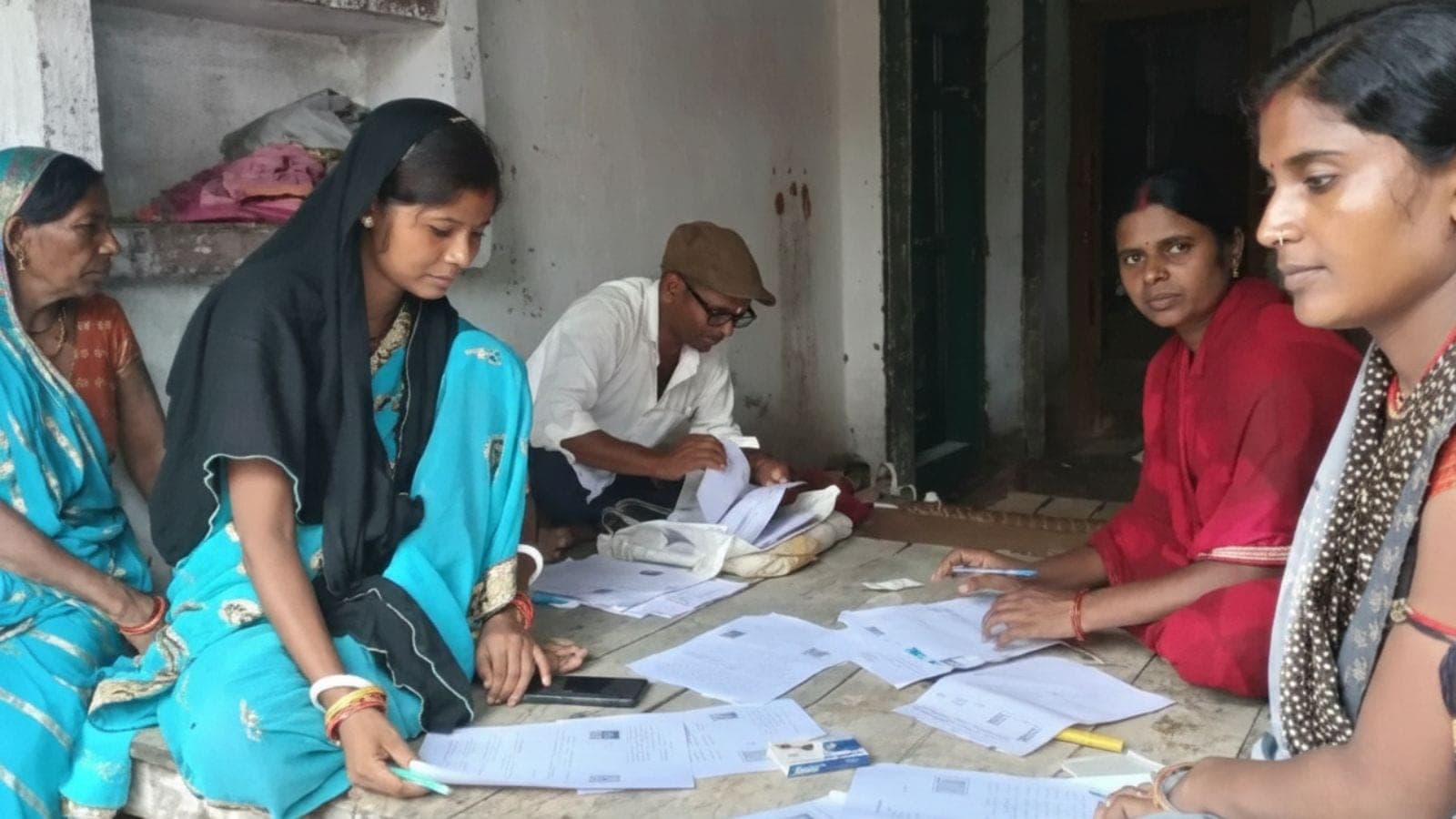
The current event involves the Election Commission of India (ECI) undertaking a comprehensive revision of the electoral rolls in Assam. As part of this process, a meticulous door-to-door survey was conducted across the state. This ground-level verification led to the identification of over 1 million names (10 lakh) in the draft voter roll that require either deletion or correction. Reasons for flagging can include duplication, death, shifting of residence, or, more significantly in the context of Assam, questions regarding the individual's citizenship status or eligibility to vote. The sheer volume of flagged names underscores the intensive nature of the verification drive and the challenges in maintaining an accurate voter list in a state with such a complex demographic profile.
**Key Stakeholders Involved:**
Several entities play crucial roles in this process. The **Election Commission of India (ECI)** is the primary constitutional body responsible for the superintendence, direction, and control of elections, including the preparation of electoral rolls, as enshrined in **Article 324** of the Constitution. The **State Election Machinery in Assam**, comprising district election officers, electoral registration officers, and booth-level officers, is responsible for the ground-level execution of the survey and revision. **Political Parties** are significant stakeholders, as the composition of the voter list directly impacts election outcomes, and they often scrutinize the process for potential biases or errors. **Citizens/Voters** themselves are directly affected, as their right to franchise depends on their inclusion in the accurate electoral roll. Finally, **Civil Society Organizations and NGOs** often monitor the process, raise awareness, and provide assistance to individuals navigating the correction or appeal procedures, advocating for the rights of marginalized communities.
**Why This Matters for India:**
This exercise holds immense significance for India on multiple fronts. Firstly, it is fundamental to **electoral integrity and the purity of democracy**. An accurate voter roll ensures that only eligible citizens participate in elections, upholding the principle of 'one person, one vote.' Secondly, it directly addresses **citizenship concerns**, particularly in Assam where the issue of illegal immigration has deeply impacted socio-political dynamics. The revision process, while distinct from the National Register of Citizens (NRC) exercise, contributes to the broader goal of identifying genuine citizens. Thirdly, it has **implications for governance and internal security**. A clear understanding of the demographic composition of border states like Assam is crucial for effective policy-making, resource allocation, and maintaining national security against external threats. The diligent management of voter rolls helps in establishing robust demographic data.
**Future Implications:**
The flagging of such a large number of names will undoubtedly lead to a series of appeals and objections from individuals whose names have been marked for deletion or correction. This process, governed by the **Representation of the People Act, 1950**, allows individuals to submit claims and objections, which are then adjudicated by electoral authorities. The outcome will have a significant impact on the electorate for upcoming state and national elections in Assam. Politically, it could lead to renewed debates on citizenship, immigration, and the implementation of the Assam Accord. Socially, it might cause anxiety among certain communities, necessitating transparent and fair adjudication processes. This exercise also reinforces the need for continuous vigilance and modernization of electoral administration across the country to prevent errors and maintain public trust in the democratic process. It also sets a precedent for other states facing similar demographic pressures, highlighting the ECI's commitment to clean electoral rolls.
**Related Constitutional Articles, Acts, or Policies:**
* **Article 324 of the Indian Constitution**: Empowers the ECI with the superintendence, direction, and control of the preparation of electoral rolls and the conduct of elections.
* **Representation of the People Act, 1950**: Specifically deals with the preparation and revision of electoral rolls, prescribing the qualifications for voters and procedures for registration, deletion, and correction.
* **Citizenship Act, 1955**: Governs the acquisition and determination of Indian citizenship, which is a foundational aspect for eligibility to be on the voter roll.
* **Assam Accord, 1985**: A landmark agreement that set the cut-off date for citizenship in Assam, directly influencing the criteria for inclusion in the electoral rolls.
* **National Register of Citizens (NRC)**: Although distinct, the NRC exercise (specifically for Assam, updated in 2019) is a parallel effort to identify Indian citizens in the state, and its findings could indirectly inform future electoral roll revisions, though the legal frameworks are separate. The current voter roll revision is a regular ECI mandate, while the NRC was a Supreme Court-monitored process based on specific historical context in Assam.
Exam Tips
This topic falls under 'Indian Polity and Governance' (UPSC Mains GS-II, State PSCs) and 'Current Affairs' (all exams). Focus on the role and powers of the Election Commission of India, electoral reforms, and citizenship laws.
Study the constitutional provisions related to elections (Article 324, 325, 326), the Representation of the People Acts (1950 & 1951), and the Citizenship Act, 1955. Understand the historical context of the Assam Accord (1985) and the NRC exercise.
Common question patterns include: direct questions on the powers of ECI, analytical questions on the challenges of maintaining accurate electoral rolls, and questions linking electoral processes to citizenship debates, especially in the context of Assam.