


Relevant for Exams
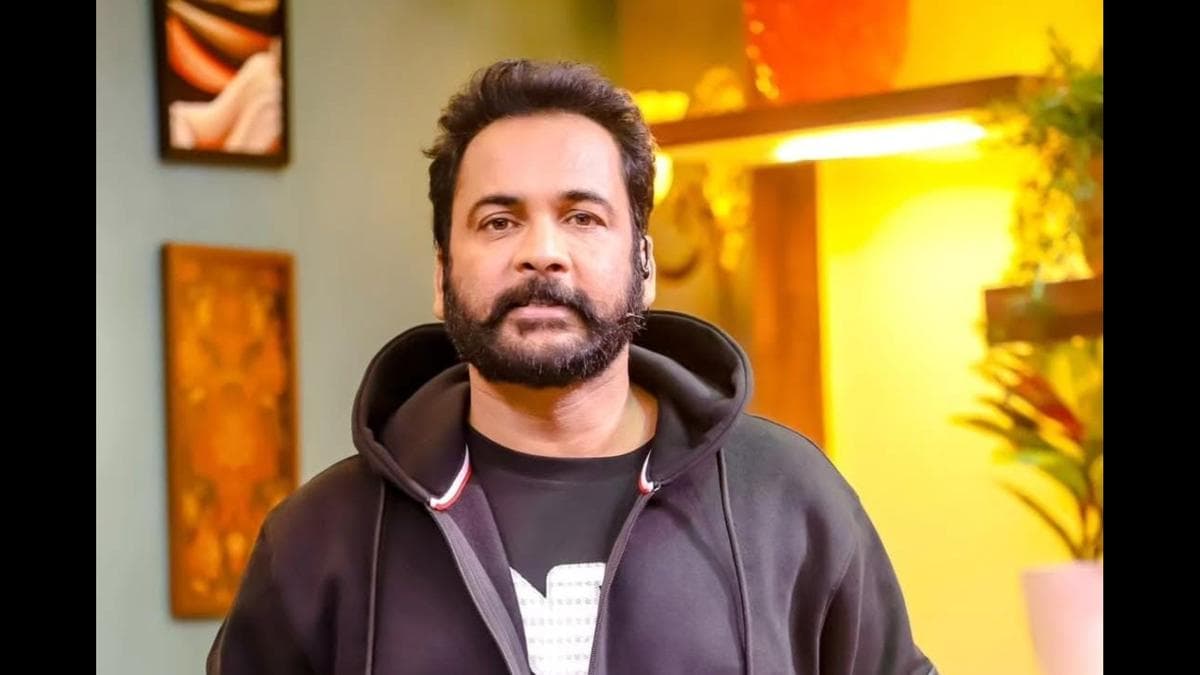
Actor Sivaji appeared before Telangana Women's Commission over remarks on women's clothing.
Summary
Actor Sivaji appeared before the Telangana Women's Commission after the panel took suo motu cognisance of his remarks on women's clothing choices. The comments were made at his film 'Dandora's' pre-release event. This incident highlights the functioning of state women's commissions and their power to act independently on social issues, which is relevant for understanding institutional mechanisms.
Key Points
- 1Actor Sivaji appeared before the Telangana Women's Commission.
- 2The Commission took suo motu cognisance of his comments.
- 3The remarks concerned women's clothing choices.
- 4The comments were made at the pre-release event of his film, 'Dandora'.
- 5The incident demonstrates the independent functioning of state women's panels.
In-Depth Analysis
The incident involving actor Sivaji appearing before the Telangana Women's Commission for his remarks on women's clothing choices offers a crucial insight into the functioning of India's statutory bodies, the ongoing struggle for gender equality, and the delicate balance between freedom of speech and public decency. This event, while seemingly localized, resonates with broader national discussions on women's rights, public conduct, and institutional accountability.
**Background Context and the Genesis of Women's Commissions:**
In India, the push for gender justice gained significant momentum in the latter half of the 20th century. Recognizing the need for a dedicated mechanism to address women's issues, the National Commission for Women (NCW) was established in January 1992 under the National Commission for Women Act, 1990. This Act empowered the NCW to investigate and examine all matters relating to the safeguards provided for women under the Constitution and other laws, present reports to the Union Government, and take up specific cases of violation of women's rights. Following the central model, State Women's Commissions (SCWs) were subsequently established in various states, either through state legislation or executive orders, to operate at the regional level, mirroring the NCW's mandate and powers. These commissions act as statutory watchdogs, grievance redressal bodies, and advocates for policy changes concerning women.
**The Incident and Key Stakeholders:**
Actor Sivaji made comments regarding women's clothing choices at the pre-release event of his film 'Dandora'. These remarks were perceived as inappropriate and potentially demeaning to women. The Telangana Women's Commission, a key stakeholder in this scenario, took *suo motu* cognisance of the matter. *Suo motu* action means the commission initiated proceedings on its own accord, without waiting for a formal complaint, demonstrating its proactive role. Other key stakeholders include actor Sivaji himself, who faced scrutiny; women's rights advocates and organizations who often monitor such public statements; and the general public, whose opinions and reactions shape the discourse around gender sensitivity. The film industry also becomes implicitly involved, as public figures from this sector often face increased scrutiny for their conduct and statements.
**Significance for India – Upholding Women's Dignity and Rights:**
This incident is highly significant for India as it underscores the persistent challenges in achieving true gender equality and respect for women. Despite constitutional guarantees and legal frameworks, regressive mindsets regarding women's autonomy, particularly concerning their attire, continue to surface. The Commission's intervention reinforces the message that public figures, especially those with significant influence, bear a responsibility to use their platform judiciously and avoid making comments that stereotype, judge, or demean women. Such *suo motu* actions by Women's Commissions are crucial in fostering a climate where misogynistic remarks are challenged, thereby contributing to a safer and more respectful environment for women. It also highlights the importance of institutional vigilance against casual sexism and victim-blaming.
**Constitutional and Legal Framework:**
Several constitutional provisions underpin the actions of Women's Commissions and the broader rights of women. **Article 15** of the Indian Constitution prohibits discrimination on grounds of religion, race, caste, sex, or place of birth, ensuring equality. **Article 21**, guaranteeing the protection of life and personal liberty, has been expansively interpreted by the Supreme Court to include the right to live with dignity, which is directly impacted by remarks that diminish a person's self-worth or autonomy. While **Article 19(1)(a)** guarantees freedom of speech and expression, this right is not absolute and is subject to reasonable restrictions under **Article 19(2)**, including those in the interest of public order, decency, or morality. Comments that stereotype or demean women can potentially fall foul of these restrictions, particularly if they incite discrimination or violate the dignity of a group. The legal basis for the Women's Commission's action directly stems from the **National Commission for Women Act, 1990**, and analogous state acts, which empower them to investigate and recommend actions on matters related to women's rights.
**Historical Context and Future Implications:**
Historically, women in India have fought against societal norms that dictated their dress, behavior, and roles. The establishment of Women's Commissions marked a formal recognition by the state of the need to address these historical injustices. The proactive stance of the Telangana Women's Commission signals a growing trend where these bodies are not merely reactive but are increasingly asserting their authority to shape public discourse and hold influential individuals accountable. In the future, such interventions are likely to become more frequent, putting greater pressure on public figures and media houses to promote gender-sensitive content and discourse. This can lead to a more responsible media environment and encourage greater introspection within society regarding gender stereotypes. It also reinforces the role of statutory bodies as vital pillars of governance in upholding constitutional values and promoting social justice, moving towards a truly equitable society where women's choices are respected and protected.
**Conclusion:**
The Sivaji incident, therefore, is more than just a celebrity controversy; it's a testament to the ongoing work of statutory bodies in safeguarding women's rights and dignity. It serves as a reminder that the journey towards gender equality requires continuous vigilance, legal backing, and proactive institutional engagement to challenge entrenched patriarchal attitudes and foster a respectful societal environment for all.
Exam Tips
This topic falls under GS-II Syllabus: Governance, Social Justice (Statutory, Regulatory and Quasi-judicial Bodies; Mechanisms, Laws, Institutions and Bodies constituted for the Protection and Betterment of Vulnerable Sections).
Students should study the National Commission for Women (NCW) and State Women's Commissions (SWCs) in detail, focusing on their mandate, powers, functions, composition, and challenges faced. Understand their role in promoting and protecting women's rights.
Be prepared for questions on the balance between Fundamental Rights (like Freedom of Speech - Article 19) and the need for reasonable restrictions, especially in the context of public figures and sensitive social issues. Understand the concept of 'reasonable restrictions' and how it applies.
Analyze case studies or current events where statutory bodies like Women's Commissions have taken action. Questions may ask about the effectiveness of such bodies or suggest reforms to enhance their functioning.
Practice essay questions on topics related to women's empowerment, gender equality, the role of institutions in social change, or the challenges faced by women in contemporary India, often linking to constitutional provisions and government policies.
Related Topics to Study
Full Article
The Commission took suo motu cognisance of Sivaji’s comments made at the pre release event of his film Dandora, where he spoke about women’s clothing choices