


Relevant for Exams
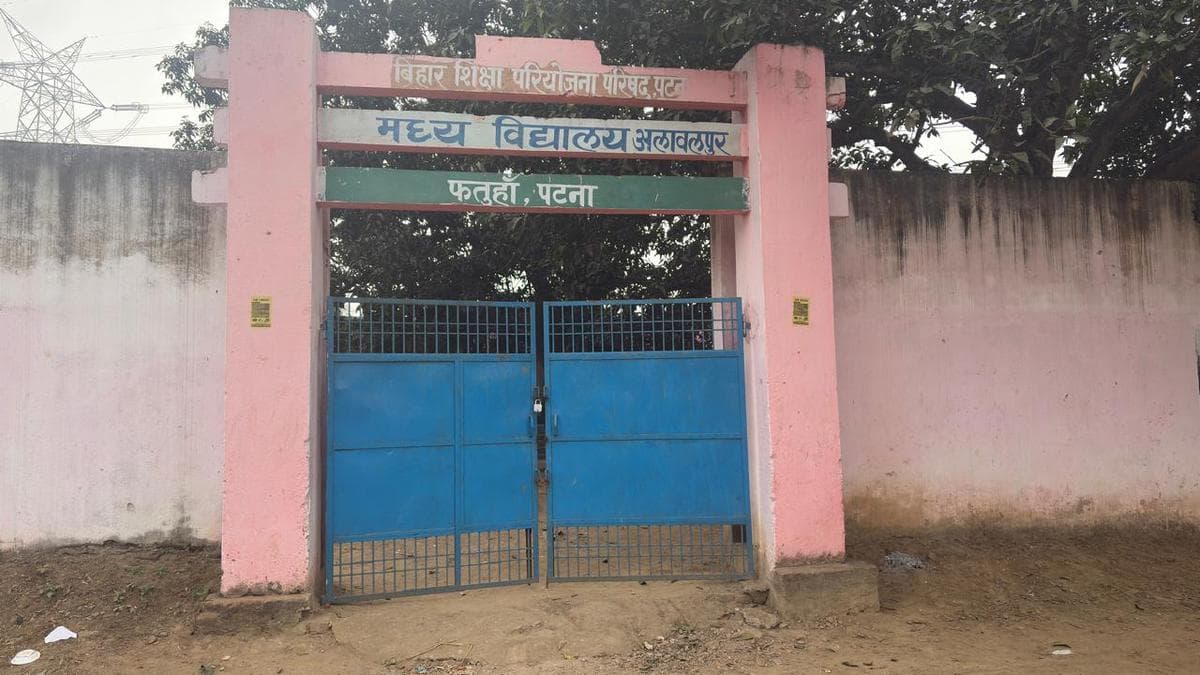
Caste discrimination alleged by students in Alawalpur village adopted by Ravi Shankar Prasad.
Summary
Students in Alawalpur village, adopted by former Union Minister Ravi Shankar Prasad, have alleged caste discrimination by their teachers. They claim being forced to perform menial tasks like cleaning classrooms, opening gates, and washing their plates after the mid-day meal. This incident highlights persistent social discrimination in educational institutions, violating constitutional provisions against discrimination and relevant anti-atrocity laws, making it crucial for topics like Social Justice and Polity in competitive exams.
Key Points
- 1Students in Alawalpur village alleged caste discrimination by their teachers.
- 2The students claimed they were forced to perform tasks such as brooming classes and opening gates.
- 3Allegations also included washing their own plates and glasses after the mid-day meal.
- 4Alawalpur village was adopted by former Union Minister Ravi Shankar Prasad.
- 5The incident highlights issues of social discrimination and potential violations of constitutional rights and anti-discrimination laws in educational settings.
In-Depth Analysis
The allegations of caste discrimination by teachers against students in Alawalpur village, adopted by former Union Minister Ravi Shankar Prasad, bring to the forefront the persistent and deeply entrenched issue of caste-based prejudice in Indian society, particularly within educational institutions. This incident is not an isolated one but rather a stark reminder of the challenges India faces in achieving true social equality, despite robust constitutional provisions and legislative measures.
**Background Context and Historical Roots:**
Caste discrimination has been a pervasive feature of Indian society for millennia, rooted in the Varna system, which traditionally stratified society into hierarchical groups based on occupation. While the Constitution of India formally abolished untouchability and prohibited discrimination, the social attitudes and practices associated with the caste system continue to manifest, especially in rural areas. Educational institutions, which are meant to be beacons of equality and meritocracy, often become sites where these prejudices play out, affecting the most vulnerable – children from marginalized communities. The Mid-Day Meal Scheme, while a crucial nutritional and attendance booster, has unfortunately also been a flashpoint for caste discrimination, with separate seating or serving arrangements for children from different castes reported in various parts of the country.
**What Happened:**
Students in Alawalpur village alleged that their teachers subjected them to caste discrimination. Specifically, they were reportedly forced to perform menial tasks such as sweeping classrooms, opening gates, washing their own plates and glasses after the mid-day meal, and shutting doors and windows after classes. These tasks, typically associated with lower-caste occupations, were allegedly assigned exclusively to students from Scheduled Caste (SC) or Scheduled Tribe (ST) backgrounds, reinforcing discriminatory practices and instilling a sense of inferiority. The village's adoption by a prominent political figure under a scheme like the Saansad Adarsh Gram Yojana (SAGY) – intended to foster holistic development – makes these allegations particularly concerning, as it questions the efficacy of such initiatives in addressing fundamental social inequities.
**Key Stakeholders Involved:**
1. **Students (Victims):** The primary victims, often from marginalized communities, whose fundamental right to education and equality is violated, impacting their psychological well-being and academic performance.
2. **Teachers (Alleged Perpetrators):** Individuals entrusted with educating and nurturing children, but who are accused of perpetuating discriminatory practices.
3. **School Administration:** Responsible for creating a safe, inclusive, and non-discriminatory learning environment. Their failure to prevent or address such incidents indicates systemic issues.
4. **Local Community and Parents:** Crucial in reporting these incidents and advocating for their children's rights. Their vigilance is vital for accountability.
5. **Former Union Minister Ravi Shankar Prasad:** As the Member of Parliament who adopted Alawalpur village, his role highlights the broader commitment to rural development and social justice, making the allegations a direct challenge to the spirit of such schemes.
6. **District Administration and State Education Department:** Government bodies responsible for investigating the allegations, taking disciplinary action against perpetrators, and implementing corrective measures.
7. **National/State Commissions for Scheduled Castes/Tribes:** Constitutional bodies mandated to investigate complaints regarding the deprivation of rights and safeguards of SCs/STs and recommend remedial actions.
**Why This Matters for India:**
This incident has profound implications for India's social fabric, democratic values, and development trajectory. Socially, it undermines the constitutional vision of an egalitarian society and perpetuates social divisions. Educationally, it creates a hostile environment for marginalized students, leading to lower attendance, higher dropout rates, and reduced learning outcomes, thereby exacerbating existing inequalities. Politically, it challenges the effectiveness of governance and social justice policies, raising questions about the implementation gap between legislative intent and ground reality. Economically, by denying equal opportunities and fostering discrimination, it hinders human capital development and perpetuates intergenerational poverty, impacting India's overall growth potential. Such incidents also reflect poorly on India's commitment to international human rights conventions.
**Constitutional Provisions and Legal Framework:**
The Indian Constitution is unequivocally against caste discrimination. **Article 15** prohibits discrimination on grounds of religion, race, caste, sex, or place of birth. Crucially, **Article 17** abolishes 'Untouchability' and forbids its practice in any form, making its enforcement a criminal offense. Furthermore, **Article 46** directs the State to promote with special care the educational and economic interests of the weaker sections of the people, particularly the Scheduled Castes and the Scheduled Tribes, and to protect them from social injustice and all forms of exploitation.
To give teeth to these constitutional mandates, specific laws have been enacted. The **Protection of Civil Rights Act, 1955**, prescribes punishment for the preaching and practice of untouchability. More significantly, the **Scheduled Castes and Scheduled Tribes (Prevention of Atrocities) Act, 1989 (PoA Act)**, is a comprehensive law to prevent atrocities against members of SCs and STs, providing for special courts for the trial of such offences and for the relief and rehabilitation of victims. For educational settings, the **Right to Education (RTE) Act, 2009**, ensures free and compulsory education for all children aged 6 to 14, emphasizing an inclusive and non-discriminatory learning environment. The Mid-Day Meal Scheme guidelines also explicitly prohibit any discrimination against children on the basis of caste, religion, or gender.
**Future Implications:**
Addressing such incidents requires a multi-pronged approach. Firstly, there is an urgent need for stricter enforcement of anti-discrimination laws and swift, exemplary action against perpetrators. Secondly, comprehensive sensitisation programs for teachers, school staff, and even parents are crucial to dismantle ingrained biases. Thirdly, robust grievance redressal mechanisms, easily accessible to students and parents, must be established and effectively publicized. The incident also calls for a critical review of government schemes like SAGY to ensure that social justice outcomes are integral to their implementation and monitoring. Continued vigilance from civil society and media is vital to hold institutions accountable and push for systemic reforms. Failure to address these deep-seated issues will continue to impede India's progress towards becoming a truly equitable and inclusive society.
Exam Tips
This topic falls under GS Paper I (Indian Society), GS Paper II (Polity & Governance, Social Justice), and Essay in UPSC CSE. For State PSCs and SSC, it's relevant for General Studies sections on Indian Constitution, Social Issues, and Government Schemes.
When studying, focus on the historical context of the caste system, the evolution of anti-discrimination laws (Protection of Civil Rights Act, 1955; SC/ST PoA Act, 1989), and relevant constitutional articles (Articles 15, 17, 46). Connect these to government schemes like the Mid-Day Meal Scheme and Saansad Adarsh Gram Yojana.
Common question patterns include: analytical questions on the persistence of caste discrimination despite legal provisions, case studies on social justice issues, questions on the effectiveness of anti-atrocity laws, and direct questions on fundamental rights related to equality and non-discrimination. Be prepared to discuss challenges in implementation and suggest solutions.
Related Topics to Study
Full Article
The Students also alleged that they are forced to do the work which they are not supposed to do like brooming the class, opening the gate, washing their own plates and glasses after mid-day meal and shutting the doors and windows after the classes get over