


Relevant for Exams
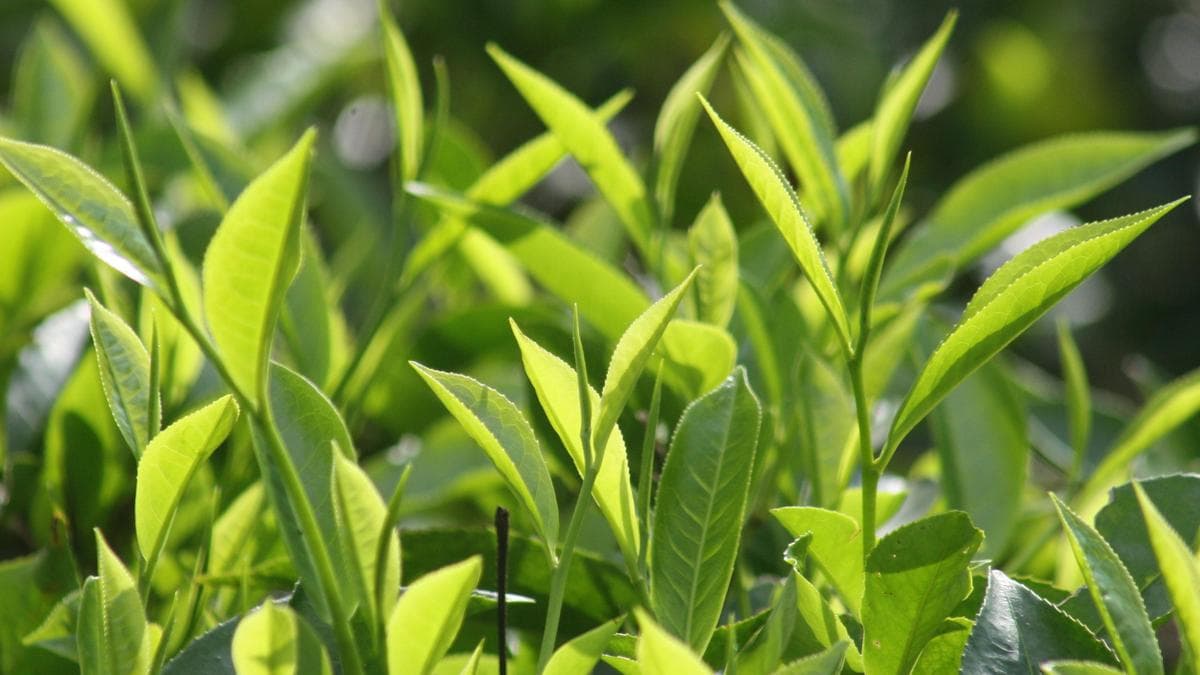
FSSAI clarifies 'tea' definition: must be derived from Camellia sinensis plant.
Summary
The Food Safety and Standards Authority of India (FSSAI) issued a crucial clarification stating that a beverage qualifies as 'tea' only if it is derived from the plant Camellia sinensis. This standardization is vital for consumer protection and ensuring product authenticity in the market. For competitive exams, this highlights the role of FSSAI, botanical names, and food regulations.
Key Points
- 1The clarification was issued by the Food Safety and Standards Authority of India (FSSAI).
- 2FSSAI defined 'tea' as a beverage derived exclusively from the plant Camellia sinensis.
- 3This regulatory clarification aims to ensure product authenticity and consumer protection.
- 4Beverages not sourced from Camellia sinensis cannot legally be marketed as 'tea' as per FSSAI standards.
- 5The move underscores FSSAI's role in setting food standards and definitions in India.
In-Depth Analysis
The recent clarification by the Food Safety and Standards Authority of India (FSSAI) defining 'tea' as a beverage exclusively derived from the plant *Camellia sinensis* marks a significant step in consumer protection and regulatory clarity within India's vast food and beverage market. This seemingly simple definition carries profound implications for the industry, consumers, and the broader regulatory landscape.
**Background Context and What Happened:**
India boasts a rich history with tea, being one of the world's largest producers and consumers. For centuries, 'chai' has been an integral part of Indian culture and economy. However, in recent decades, the market has seen an influx of various herbal infusions, often marketed loosely as 'herbal teas' or simply 'teas' (e.g., chamomile tea, peppermint tea, ginger tea). While these beverages offer different health benefits and tastes, their nomenclature often blurred the lines with traditional tea, leading to consumer confusion regarding product authenticity, ingredients, and expected properties. The FSSAI, established under the Food Safety and Standards Act, 2006, is the apex body responsible for protecting and promoting public health through the regulation and supervision of food safety. Recognizing the growing ambiguity and the potential for misrepresentation, the FSSAI stepped in to standardize the definition. By specifically limiting 'tea' to products from *Camellia sinensis*, the FSSAI aims to ensure that consumers receive accurate information and that the market operates on fair principles.
**Key Stakeholders Involved:**
Several key players are impacted by this clarification. **FSSAI** itself is the primary stakeholder, exercising its mandate to set food standards and ensure compliance. Its role is crucial in upholding the integrity of the food supply chain. The **Indian Tea Industry**, comprising cultivators, processors, blenders, and marketers (e.g., from Assam, Darjeeling, Nilgiris), stands to benefit significantly. This clarification protects the traditional identity and market value of 'true' tea, safeguarding it from diluted branding. **Consumers** are arguably the most important beneficiaries. With clear labeling, they can make informed choices, understand what they are consuming, and avoid being misled by generic 'tea' claims for non-tea products. This aligns with their right to information and safe products. Lastly, the **Herbal Beverage Industry** (producers of infusions from plants other than *Camellia sinensis*) will need to adapt its marketing strategies, ensuring that their products are clearly labeled as 'infusions,' 'herbal beverages,' or other appropriate terms, rather than 'tea'.
**Significance for India and Historical Context:**
India's tryst with tea began in earnest with the British East India Company in the 19th century, transforming it into a major agricultural and economic powerhouse. Today, the tea industry is a significant employer and foreign exchange earner. This FSSAI clarification is vital for India because it protects this legacy and economic interest. It prevents unfair competition from products that do not share the botanical origin of traditional tea. From a consumer perspective, it reinforces the principles of the **Consumer Protection Act, 2019**, which aims to protect consumers from unfair trade practices and misleading advertisements. Historically, India's food safety regulations have evolved from the Prevention of Food Adulteration Act, 1954, to the more comprehensive FSSA, 2006, reflecting a growing emphasis on scientific standards and consumer welfare. This FSSAI move is a continuation of that evolution, ensuring that definitions keep pace with market developments.
**Constitutional Provisions and Broader Themes:**
The FSSAI's actions are rooted in the powers granted by the **Food Safety and Standards Act, 2006**. This Act consolidates various laws relating to food and establishes scientific standards for food articles. The spirit of such regulations aligns with **Article 47 of the Indian Constitution**, a Directive Principle of State Policy, which mandates the State to regard the raising of the level of nutrition and the standard of living of its people and the improvement of public health as among its primary duties. Ensuring accurate food labeling and product authenticity directly contributes to public health and informed consumer choices. This clarification also touches upon broader themes of **good governance** and **regulatory effectiveness**, demonstrating the government's commitment to maintaining order and fairness in the market. It also has implications for **intellectual property** and **geographical indications** (GIs), as protecting the definition of 'tea' indirectly supports the unique identity of products like Darjeeling Tea, which holds a prominent GI tag.
**Future Implications:**
The FSSAI's clarification is expected to bring greater transparency and trust to the beverage market. In the short term, it might necessitate rebranding and relabeling efforts for some herbal infusion manufacturers. In the long term, it could foster innovation in distinct categories – 'tea' from *Camellia sinensis* and 'herbal infusions' from other plants – allowing each segment to grow based on its unique identity. It also sets a precedent for how other food categories might be defined and regulated, especially in a market increasingly diversified with novel food products. The challenge will lie in effective enforcement across the country's vast and decentralized food supply chain, ensuring that the spirit of the regulation is upheld by all stakeholders. This move signifies India's commitment to aligning its food standards with international best practices, promoting fair trade, and ultimately, safeguarding the health and trust of its citizens.
Exam Tips
This topic primarily falls under **GS Paper II (Governance, Policies & Interventions)** and **GS Paper III (Economy - Food Processing, Agriculture; Science & Technology - Biotechnology/Botany)** for UPSC. For SSC/State PSC, it is relevant for General Science (Botany) and General Knowledge (Government Bodies/Policies).
Study the **Food Safety and Standards Authority of India (FSSAI)** in detail: its establishment, mandate, structure, key functions, and recent initiatives. Also, understand the **Food Safety and Standards Act, 2006**, and its significance.
Be prepared for factual questions on the botanical name of the tea plant (*Camellia sinensis*) and the name of the regulatory body (FSSAI). Analytical questions might focus on the impact of such regulations on consumer rights, the Indian economy (especially the tea industry), and the role of regulatory bodies in ensuring public health and fair trade practices.
Connect this topic with **Consumer Protection Act, 2019**, and the concept of **Geographical Indications (GI) tags**, as these are often interlinked with product authenticity and consumer trust.
Understand **Directive Principles of State Policy (DPSP)**, especially Article 47, and how government actions like FSSAI's clarification align with the state's duty to improve public health and nutrition.
Related Topics to Study
Full Article
The food safety regulatory body issued a clarification saying a beverage qualifies to be tea only if it is derived from the plant Camellia sinensis