


Relevant for Exams
Arunachal Pradesh's Dong village, India's easternmost, to host first Sunrise Festival.
Summary
Dong village in Arunachal Pradesh's Anjaw district, recognized as India's easternmost habitation, is set to host its inaugural Sunrise Festival. This event capitalizes on the village's unique geographical position, where it receives the country's first sun rays daily. It is significant for competitive exams as a general knowledge fact, highlighting India's geography and promoting tourism in the northeastern region.
Key Points
- 1Dong is India's easternmost village, located in Arunachal Pradesh.
- 2The village of Dong is situated in the Anjaw district of Arunachal Pradesh.
- 3Dong is notable for being the first place in India to receive the sun's rays daily.
- 4The village is slated to host its first-ever 'Sunrise Festival'.
- 5This event promotes tourism and highlights the unique geographical significance of Arunachal Pradesh.
In-Depth Analysis
The tranquil village of Dong, nestled in the Anjaw district of Arunachal Pradesh, is set to emerge from relative obscurity onto the national stage by hosting its inaugural 'Sunrise Festival'. This event is not merely a local celebration but a strategic initiative that leverages Dong's unique geographical distinction: it is the first place in India to greet the sun's daily rays. This distinction transforms a simple geographical fact into a powerful tool for economic development, cultural promotion, and national integration, especially for a state as strategically important as Arunachal Pradesh.
**Background Context and Geographical Significance:**
Arunachal Pradesh, often referred to as the 'Land of the Dawn-Lit Mountains' or the 'Land of the Rising Sun' in India, is the easternmost state of the country. Its geographical positioning means it experiences sunrise significantly earlier than the rest of India. Dong village, specifically, lies at an altitude of 1,240 meters (4,070 ft) at the confluence of the Lohit River and Sati Stream. Its precise coordinates make it the extreme eastern point of the Indian landmass, where the sun appears on the horizon as early as 4:30 AM during summer months. This early sunrise phenomenon has long been a point of interest for geographers and a niche attraction for adventurous tourists seeking unique experiences. The decision to formalize this natural spectacle into a festival marks a conscious effort by the state to capitalize on this inherent advantage.
**The 'Sunrise Festival' and its Vision:**
The 'Sunrise Festival' is envisioned as an annual event designed to attract tourists, celebrate the local culture, and boost the socio-economic development of the remote Anjaw district. The festival will likely showcase the vibrant traditions, exquisite handicrafts, and rich biodiversity of the region, offering visitors an immersive experience beyond just witnessing the sunrise. Such events are crucial for creating a distinct identity for lesser-known destinations, providing a platform for local artisans, performers, and entrepreneurs to thrive. It's a move towards promoting experiential and eco-tourism, aligning with global trends in sustainable travel.
**Key Stakeholders Involved:**
Multiple entities play a crucial role in the success and broader impact of such an initiative. The **Arunachal Pradesh State Government** is the primary driver, initiating and funding the festival, and developing the necessary infrastructure. The **local communities** of Dong and surrounding areas are vital stakeholders; their participation ensures cultural authenticity and direct economic benefits. Their hospitality and willingness to share their traditions are paramount. The **Ministry of Tourism, Government of India**, along with its state counterpart, is a significant player, providing policy support, promotional campaigns, and potentially financial assistance. Organizations like the **Border Roads Organization (BRO)**, responsible for constructing and maintaining roads in border areas, become indirect but critical stakeholders, as improved connectivity is essential for tourism. Furthermore, various **local self-help groups (SHGs)** and **cultural organizations** contribute by showcasing local products and performances.
**Significance for India:**
This festival holds multi-faceted significance for India. **Economically**, it promises to transform Dong and Anjaw into a tourist hotspot, generating revenue, creating employment opportunities for local youth, and fostering small businesses. This aligns with the broader goal of inclusive development, bringing remote areas into the national economic mainstream. **Strategically**, Arunachal Pradesh shares a long and disputed border with China. Promoting tourism and development in these border areas reinforces India's territorial claims and ensures population retention, which is crucial for national security. It signifies India's commitment to developing its frontier regions. **Culturally**, the festival provides a platform to preserve and promote the unique heritage of the indigenous tribes of Arunachal Pradesh, safeguarding their traditions in an era of globalization. **Socially**, it fosters a sense of pride among locals and enhances national integration by drawing attention to and celebrating the diversity of India's far-flung regions.
**Policy and Constitutional Linkages:**
The 'Sunrise Festival' perfectly embodies the spirit of India's **'Act East Policy'**, which aims to promote economic cooperation, cultural ties, and strategic relationships with countries in the Asia-Pacific region. Developing the Northeastern states, especially border regions like Arunachal Pradesh, as a gateway to Southeast Asia is a core tenet of this policy. The **North Eastern Council (NEC)**, established under the North Eastern Council Act, 1971, for the economic and social development of the region, would find this initiative aligning with its objectives. The **Ministry of Development of North Eastern Region (DoNER)**, too, plays a pivotal role in supporting such developmental projects. While no single constitutional article directly mandates a 'Sunrise Festival', the underlying principles align with the **Directive Principles of State Policy** (Part IV of the Constitution), particularly Article 38 (State to secure a social order for the promotion of welfare of the people) and Article 48A (Protection and improvement of environment and safeguarding of forests and wild life). The focus on tribal welfare and regional development is also in consonance with the broader framework for Scheduled Areas and Tribal Areas, even if Arunachal Pradesh is not under the Sixth Schedule directly. The promotion of tourism can also be seen as part of the state's efforts to ensure the 'welfare' of its citizens by providing economic opportunities.
**Future Implications:**
The success of the Dong Sunrise Festival could pave the way for similar initiatives across Arunachal Pradesh and other Northeastern states, creating a network of niche tourist destinations. This could lead to significant infrastructure upgrades, including better roads, accommodation facilities, and communication networks, further integrating these regions with the rest of India. However, it also presents challenges: ensuring sustainable tourism practices to protect the fragile Himalayan ecosystem, managing increased tourist influx without diluting local culture, and balancing development with environmental conservation. If managed effectively, the 'Sunrise Festival' can become a beacon of cultural pride, economic prosperity, and national affirmation for India's eastern frontier.
Exam Tips
**Geography (Indian Geography):** This topic falls under the 'Physical Geography of India' section. Focus on extreme points of India (easternmost, westernmost, northernmost, southernmost), states and their capitals, and significant geographical features of the North Eastern region. Questions often ask about the location of specific villages/districts known for unique geographical features.
**Current Affairs & General Knowledge:** Be prepared for direct questions like 'Which is India's easternmost village?' or 'Where is the Sunrise Festival being held?' Stay updated on significant cultural events, festivals, and tourism initiatives launched by state governments, especially in strategically important regions like the Northeast.
**Government Policies & Schemes (Governance/Economy):** Understand the 'Act East Policy' thoroughly, its objectives, and how development initiatives in the Northeast align with it. Also, study the role and functions of the North Eastern Council (NEC) and the Ministry of DoNER. Questions might link such events to broader governmental development strategies.
**Culture & Heritage (Art & Culture):** Familiarize yourself with the major tribes of Arunachal Pradesh, their unique festivals, traditional arts, and crafts. The festival provides a context to study the cultural diversity of the region, which is a common theme in competitive exams.
Related Topics to Study
Full Article
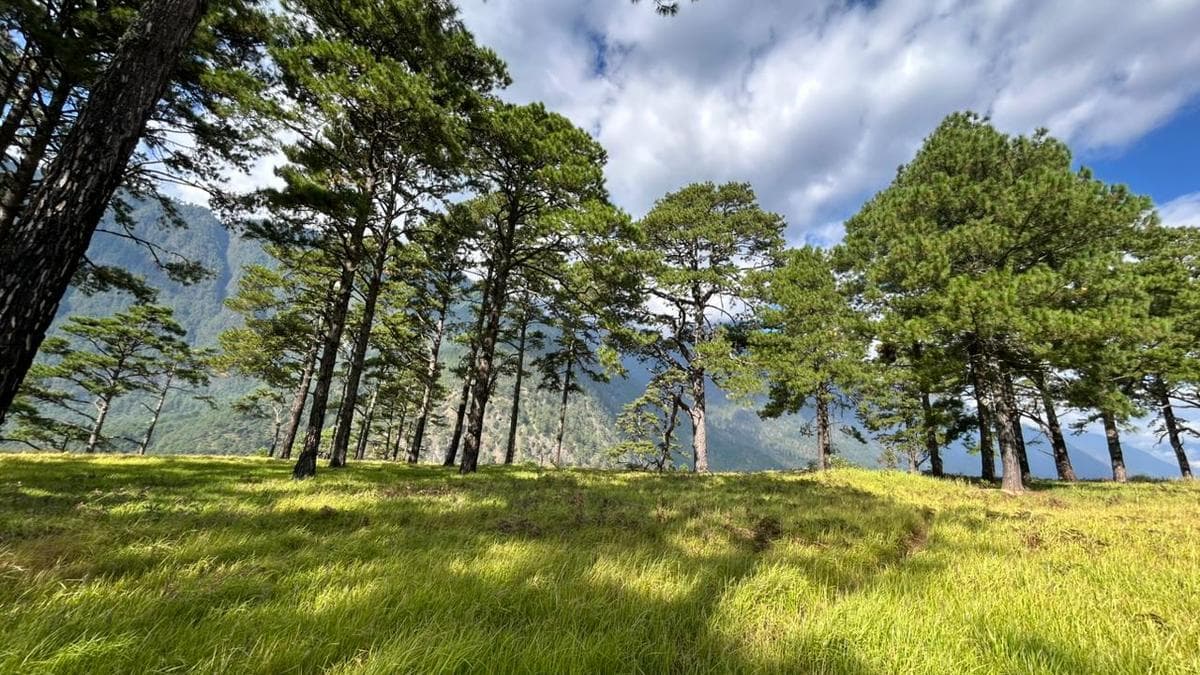
Anjaw district’s Dong is a habitation that receives the first rays of the sun in the country every day