



Relevant for Exams
Telangana DCA busts unlicensed medical device unit manufacturing risky Class B products.
Summary
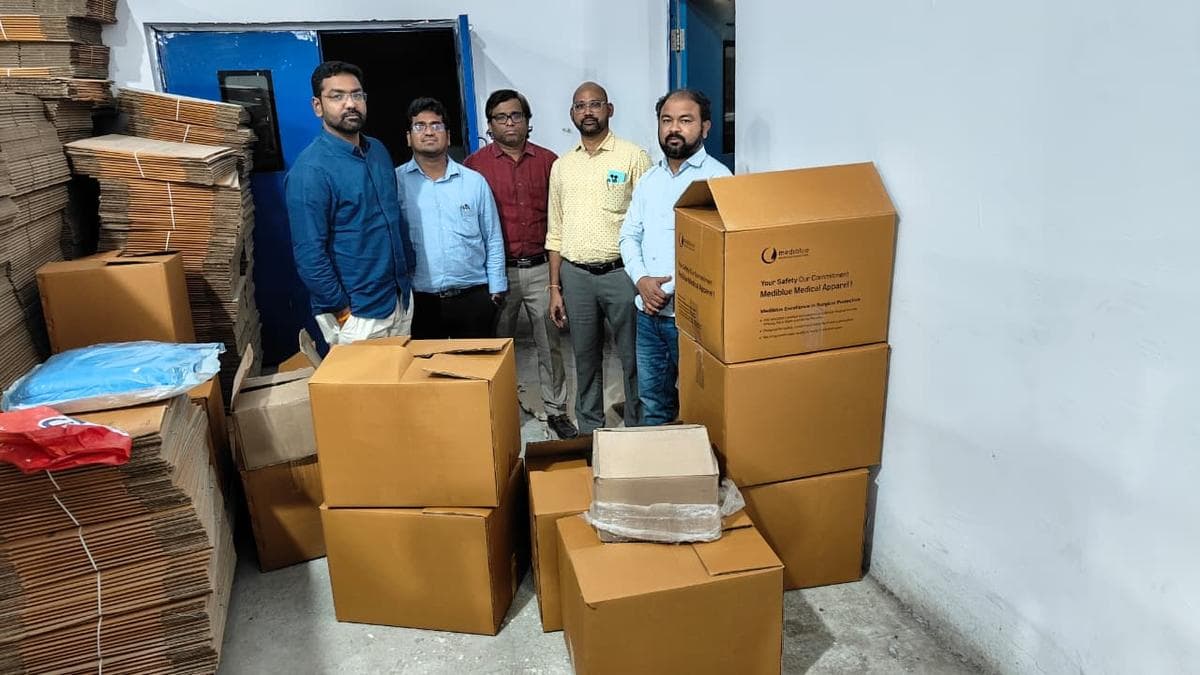
Telangana's Drug Control Administration (DCA) recently busted an unlicensed medical device manufacturing unit. The unit was producing Risk Class B medical devices, including dialysis kits and sterile eye drapes, which are low-to-moderate risk products requiring strict quality control due to direct patient contact. This incident highlights the critical role of regulatory bodies in ensuring public health and safety by preventing the circulation of substandard medical devices, a key topic for governance and health sections in competitive exams.
Key Points
- 1The enforcement action was carried out by the Telangana Drug Control Administration (DCA).
- 2An unlicensed medical device manufacturing unit was busted in Telangana.
- 3The unit was found manufacturing Risk Class B medical devices.
- 4Specific products found at the site included dialysis kits and sterile eye drapes.
- 5Risk Class B medical devices are defined as low-to-moderate risk healthcare products that come into direct contact with patients and require strict quality control.
In-Depth Analysis
The recent bust of an unlicensed medical device manufacturing unit by the Telangana Drug Control Administration (DCA) is a stark reminder of the critical importance of robust regulatory oversight in India's rapidly expanding healthcare sector. This incident, involving the illicit production of Risk Class B medical devices like dialysis kits and sterile eye drapes, underscores the direct threat that substandard products pose to public health and safety, making it a crucial topic for competitive exam aspirants.
Historically, medical devices in India were not regulated as a distinct category but were largely governed under the Drugs and Cosmetics Act, 1940, and its associated Rules, 1945. This act, primarily designed for pharmaceuticals, proved inadequate for the unique challenges posed by medical devices, which range from simple bandages to complex implantable devices and diagnostic equipment. The absence of a dedicated regulatory framework led to concerns regarding quality, safety, and efficacy, particularly as India's medical device market grew significantly. Recognizing this gap, the government initiated steps towards a more comprehensive regulatory structure, culminating in the notification of the Medical Devices Rules, 2017, which became effective from January 1, 2018. These rules brought medical devices under a specific regulatory ambit, classifying them into four risk classes (A, B, C, D) and stipulating requirements for manufacturing, import, sale, and distribution.
Several key stakeholders are involved in this ecosystem. The **Central Drugs Standard Control Organisation (CDSCO)**, under the Ministry of Health and Family Welfare, is the apex regulatory body responsible for ensuring the quality and safety of drugs and medical devices in India. It acts as the central licensing authority for higher-risk Class C and D devices, sets technical standards, and oversees post-market surveillance. At the state level, **State Drug Control Administrations (like Telangana DCA)** are crucial for granting licenses for lower-risk Class A and B devices and, more importantly, for enforcement, conducting inspections, and investigating non-compliance. **Licensed medical device manufacturers** are obligated to adhere to stringent Good Manufacturing Practices (GMP) and quality management systems as per the Medical Devices Rules, 2017. In contrast, **unlicensed units**, like the one busted, operate outside this legal framework, often compromising quality and safety to cut costs. Ultimately, **patients and the public** are the primary beneficiaries of effective regulation and the potential victims of its failure, while **healthcare providers** (hospitals, clinics) rely on the integrity of these devices for patient care.
This incident holds significant implications for India. From a **public health** perspective, the manufacturing of substandard dialysis kits and sterile eye drapes is alarming. Dialysis is a life-sustaining treatment for kidney patients, and faulty kits can lead to severe infections, equipment malfunction, or even death. Similarly, non-sterile eye drapes can cause serious post-operative infections, jeopardizing patients' vision. From an **economic standpoint**, such illicit operations undermine the legitimate medical device industry, which invests heavily in research, development, and quality control. It also tarnishes India's image as a reliable manufacturing hub, potentially impacting the 'Make in India' initiative, which aims to boost domestic production and reduce import dependence. For **governance**, the bust highlights both the effectiveness of regulatory enforcement when deployed and the persistent challenges of market surveillance, the need for increased manpower, and better inter-state coordination to curb such illegal activities.
Legally and constitutionally, the regulatory framework draws its powers from the **Drugs and Cosmetics Act, 1940**, and specifically the **Medical Devices Rules, 2017**. The right to health, while not explicitly mentioned, is implicitly guaranteed under **Article 21 of the Constitution (Right to Life and Personal Liberty)**, which has been interpreted by the Supreme Court to include the right to health and medical care. The circulation of substandard medical devices directly infringes upon this fundamental right. Furthermore, the **Consumer Protection Act, 2019**, provides avenues for consumers to seek redressal against defective products and negligent services. The government's **National Health Policy** also emphasizes ensuring access to quality healthcare, which inherently includes safe and effective medical devices.
The future implications are multi-faceted. There is an urgent need for **stricter enforcement** by state and central regulatory bodies, possibly through increased inspections, technology-aided surveillance, and faster legal action against offenders. Promoting **consumer and healthcare provider awareness** about the importance of purchasing certified medical devices is crucial. India's aspirations to become a global medical device manufacturing hub under 'Make in India' will only materialize if stringent quality and safety standards are consistently met and enforced. Continuous **updation of Medical Devices Rules** will be necessary to keep pace with rapid technological advancements and emerging healthcare challenges. Ultimately, incidents like this serve as a powerful reminder that vigilance and continuous improvement in the regulatory framework are non-negotiable for safeguarding public health and fostering a responsible medical device industry in India.
Exam Tips
This topic primarily falls under UPSC GS Paper II (Governance, Health, Social Justice) and State PSCs (Governance, Health schemes). Be prepared to discuss the regulatory framework, challenges in public health, and the role of government bodies.
Study related topics such as the Central Drugs Standard Control Organisation (CDSCO) and its functions, the evolution of the Drugs and Cosmetics Act, 1940, and the specifics of the Medical Devices Rules, 2017 (including device classification). Also, link it to the National Health Policy and 'Make in India' initiative.
Common question patterns include direct questions on India's medical device regulation, essay questions on challenges in healthcare governance and public health, and case studies on regulatory failures or successes in ensuring product safety. You might also encounter questions on the 'Right to Health' under Article 21 and the role of the Consumer Protection Act, 2019.
Related Topics to Study
Full Article
The company was manufacturing Risk Class B medical devices - which are low-to-moderate risk healthcare products that come into direct contact with patients and therefore require strict quality control