



Relevant for Exams
No content available for detailed analysis of Jamaican sprinting great Shelly-Ann Fraser-Pryce.
Summary
The article content is unavailable, preventing detailed extraction of exam-relevant facts. The title discusses Jamaican sprinter Shelly-Ann Fraser-Pryce, an all-time great. Without the actual content, specific achievements, records, or the 'how' of her success cannot be precisely identified for competitive exam preparation.
Key Points
- 1The article is titled about Jamaican sprinter Shelly-Ann Fraser-Pryce.
- 2She is described in the title as an 'all-time sprinting great'.
- 3Her height is mentioned in the title as 5 feet tall.
- 4The full content of the article, detailing her career and achievements, is unavailable.
- 5Specific facts, dates, and numbers for competitive exam MCQs cannot be extracted due to missing content.
In-Depth Analysis
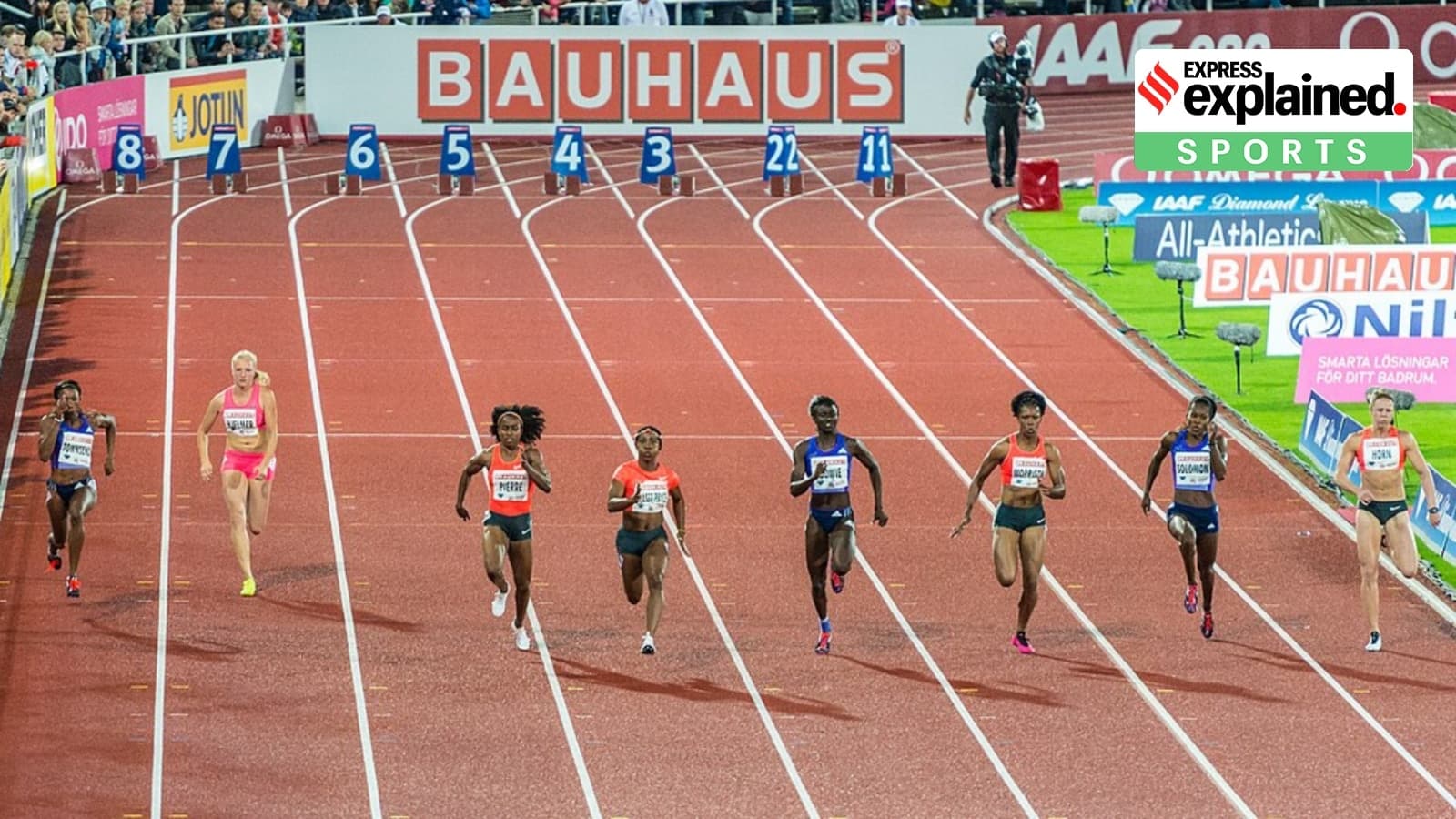
While the specific content of the article detailing Shelly-Ann Fraser-Pryce's journey to becoming an all-time sprinting great is unavailable, her very title serves as a powerful prompt for understanding the broader landscape of sports excellence, national identity, and the significant lessons India can draw from such inspiring figures. Shelly-Ann Fraser-Pryce, a Jamaican sprinter, stands as a testament to unparalleled dedication, technique, and mental fortitude, demonstrating that physical stature (at 5 feet tall) is no barrier to achieving global supremacy in highly competitive fields like athletics. Her consistent performance and multiple Olympic and World Championship medals have solidified her legacy as one of the greatest female sprinters in history, earning her the moniker 'Pocket Rocket'.
The background context of her success is deeply rooted in Jamaica's rich sprinting culture. This small Caribbean nation has, for decades, punched above its weight in global athletics, consistently producing world-class sprinters like Usain Bolt and Fraser-Pryce herself. This phenomenon is often attributed to a combination of genetic predisposition, a robust grassroots sports development system, passionate coaching, and a strong cultural emphasis on athletics. Children are often introduced to track and field at a young age, with school-level competitions serving as crucial talent identification platforms. This systematic approach, coupled with the individual's drive, creates an environment where raw talent can be honed into Olympic gold.
Key stakeholders in an athlete's journey to greatness include the athlete themselves (Fraser-Pryce), their coaches and support staff (physiotherapists, nutritionists, sports psychologists), national sports federations (like the Jamaica Athletics Administrative Association), and the government, which often provides infrastructure and funding. International bodies such as World Athletics (formerly IAAF) set the standards for competition, anti-doping regulations, and global events, ensuring fair play and a level playing field. Furthermore, sponsors and media play a crucial role in popularizing athletes and sports, providing financial backing and inspiring future generations.
For India, Fraser-Pryce's story matters immensely. Despite its vast population and immense talent pool, India has historically struggled to achieve consistent success in global athletics, especially track and field events. The 'Pocket Rocket's' journey offers several critical insights: the importance of specialized, scientific training; the need to nurture talent from a young age; the role of mental toughness; and the power of a supportive ecosystem. India has made strides with initiatives like the 'Khelo India' programme, launched in 2017, which aims to revive the sports culture at the grassroots level by building a strong framework for all sports played in the country. Schemes like the Target Olympic Podium Scheme (TOPS) also focus on identifying and supporting elite athletes. However, the consistent dominance of smaller nations like Jamaica highlights the need for a more integrated approach towards sports science, nutrition, and psychological support for athletes.
Historically, India has seen glimpses of individual brilliance in athletics, with legends like Milkha Singh and P.T. Usha inspiring generations. However, a sustained pipeline of world-class talent, particularly in track events, has been elusive. The success of athletes like Neeraj Chopra in javelin throw in recent times shows the potential when focused investment and scientific training are provided. Fraser-Pryce's ability to remain at the top for over a decade, adapting her training and technique, underscores the importance of longevity and continuous improvement, areas where Indian sports development can learn.
Future implications for India's sports landscape are significant. Emulating the success models of athletic powerhouses requires sustained governmental and private sector investment in sports infrastructure, coaching development, and sports science. Promoting a culture of sports and fitness, integrating sports into the education system, and ensuring gender equality in sports participation are crucial. Constitutionally, while sports is not explicitly mentioned as a Fundamental Right, the Directive Principles of State Policy (DPSP) under Article 47 emphasize the duty of the State to raise the level of nutrition and the standard of living and to improve public health, which implicitly includes promoting physical well-being through sports. Furthermore, Article 51A(j) of the Fundamental Duties calls upon every citizen to strive towards excellence in all spheres of individual and collective activity, including sports, so that the nation constantly rises to higher levels of endeavour and achievement. Government policies like the National Sports Policy (2001) aim to broad-base sports and achieve excellence, reflecting these constitutional ideals.
In essence, Shelly-Ann Fraser-Pryce's story transcends her individual achievements; it serves as a powerful metaphor for overcoming challenges, the pursuit of excellence, and the transformative power of sports for individuals and nations. For India, it’s a blueprint for fostering a robust sports ecosystem that can consistently produce champions and harness the nation's vast human potential on the global stage, contributing to both national pride and public health.
Exam Tips
This topic falls under the 'General Knowledge - Sports' and 'Current Affairs - National and International Personalities/Awards' sections of competitive exams. Students should focus on key achievements, records, and awards of prominent international athletes.
Study related topics like India's major sports policies (e.g., Khelo India, TOPS), the performance of Indian athletes at major international events (Olympics, Commonwealth Games, Asian Games), and the structure of national and international sports federations.
Common question patterns include MCQs on specific sporting achievements (e.g., 'Who is known as the Pocket Rocket?'), the country an athlete represents, the sport they excel in, and questions related to government schemes promoting sports in India. Additionally, questions might link sports success to national development or soft power.