



Relevant for Exams
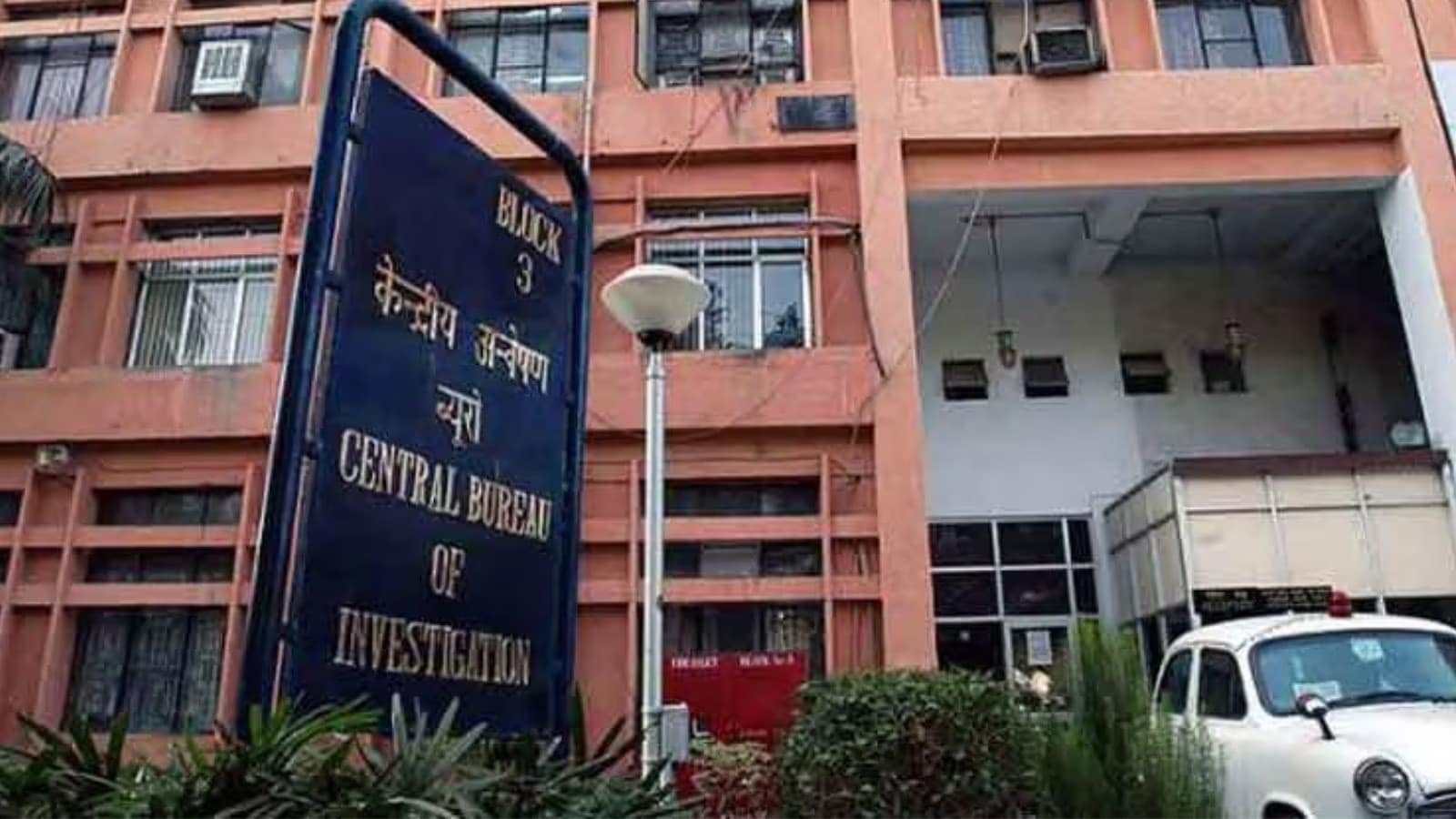
CBI files fresh disproportionate assets case against ED officer and brother.
Summary
The Central Bureau of Investigation (CBI) has registered a new case against an Enforcement Directorate (ED) officer and their brother. The allegations involve the possession of disproportionate assets, indicating a probe into corruption within a key central agency. This development is significant for competitive exams as it highlights the roles of India's anti-corruption and financial investigation bodies, CBI and ED, and their jurisdiction over government officials.
Key Points
- 1A fresh case has been registered by the Central Bureau of Investigation (CBI).
- 2The primary target of the investigation is an officer from the Enforcement Directorate (ED).
- 3The ED officer's brother is also implicated in the disproportionate assets case.
- 4The core allegation against the individuals is the possession of disproportionate assets.
- 5This case underscores the investigative powers of the CBI over central government personnel.
In-Depth Analysis
The registration of a fresh case by the Central Bureau of Investigation (CBI) against an officer of the Enforcement Directorate (ED) and their brother for possessing disproportionate assets brings into sharp focus the ongoing battle against corruption within India's governmental machinery. This incident is not merely an isolated legal proceeding but a critical indicator of the intricate dynamics of accountability and oversight among premier investigative agencies, holding profound implications for governance, public trust, and the rule of law in India.
At its core, this case highlights the operational mandates of two of India's most powerful central agencies: the CBI and the ED. The CBI, established under the Delhi Special Police Establishment (DSPE) Act, 1946, serves as the principal investigative agency for various crimes, including corruption, economic offences, and serious crimes. Its jurisdiction extends to investigating public servants of the Central Government. The ED, on the other hand, functions under the Department of Revenue, Ministry of Finance, and is primarily responsible for enforcing the Foreign Exchange Management Act (FEMA), 1999, and the Prevention of Money Laundering Act (PMLA), 2002. It investigates financial crimes, money laundering, and foreign exchange violations. The current situation, where the CBI is investigating an ED officer, underscores the system of checks and balances designed to ensure that no agency or individual is beyond scrutiny, even those tasked with upholding financial integrity.
Disproportionate assets cases are registered under the Prevention of Corruption Act, 1988 (PC Act), specifically Section 13(1)(e). This section defines criminal misconduct as a public servant or any person on his behalf being in possession of pecuniary resources or property disproportionate to their known sources of income. The legal premise is that public servants are expected to acquire assets through legitimate means, and any significant unexplained wealth raises suspicion of corruption. Historically, India has a long-standing commitment to combating corruption, evident from the establishment of the Santhanam Committee (1962-64), which recommended the creation of the Central Vigilance Commission (CVC) and strengthened the CBI, laying the groundwork for a robust anti-corruption framework.
Key stakeholders in this scenario include the Central Bureau of Investigation (the investigating agency), the Enforcement Directorate (the agency whose officer is accused), the accused ED officer and their brother, the Ministry of Personnel, Public Grievances and Pensions (under which CBI functions), the Ministry of Finance (under which ED functions), and ultimately, the Indian citizenry. For India, this case is immensely significant. Firstly, it reinforces the principle of accountability, demonstrating that even officers from agencies empowered to investigate others are not immune to investigation themselves. This is crucial for maintaining public faith in institutions, as allegations of corruption within anti-corruption bodies can severely erode trust. Secondly, it sends a strong message that the government is committed to tackling corruption at all levels, regardless of the perpetrator's position. Thirdly, it highlights the challenges in maintaining integrity within powerful government bodies, which are often susceptible to external pressures and internal malpractices. The integrity of these agencies is paramount for effective governance and ensuring a fair economic environment.
Future implications of this case are multi-faceted. If the allegations are proven, it could lead to the conviction of the officer, setting a precedent that even high-ranking officials in sensitive posts will face legal consequences for corrupt practices. This could serve as a deterrent for others. Conversely, the case will also test the CBI's impartiality and investigative prowess, especially given the inter-agency dynamic. The trial process will likely be protracted, involving meticulous evidence gathering and legal battles. For the ED, such an investigation, irrespective of the outcome, can temporarily affect its public image and internal morale, necessitating stronger internal vigilance mechanisms. Ultimately, this case contributes to the broader narrative of strengthening governance, promoting transparency, and ensuring adherence to ethical standards within the Indian bureaucracy, a continuous challenge for a developing nation striving for equitable growth and development.
Exam Tips
This topic falls under GS Paper II (Polity & Governance - Government policies & interventions, Statutory, regulatory & quasi-judicial bodies) and GS Paper IV (Ethics, Integrity & Aptitude - Probity in Governance, Corruption).
Study the mandates, powers, and limitations of CBI and ED comprehensively. Understand the legal framework, particularly the Prevention of Corruption Act, 1988, and the Delhi Special Police Establishment Act, 1946. Common question patterns include direct questions on the functions of these agencies, their independence, and challenges they face.
Be prepared for case studies on corruption and ethical dilemmas in public service. Practice essay writing on topics like 'Accountability in Public Administration' or 'The Role of Investigative Agencies in Upholding Rule of Law'.
Focus on the constitutional provisions related to public service (e.g., Article 311) and the various anti-corruption mechanisms in India (e.g., CVC, Lokpal). Questions often compare the roles and effectiveness of different anti-corruption bodies.
Understand the concept of 'disproportionate assets' and the legal process involved in such cases. This can appear in both objective and subjective questions.