



Relevant for Exams
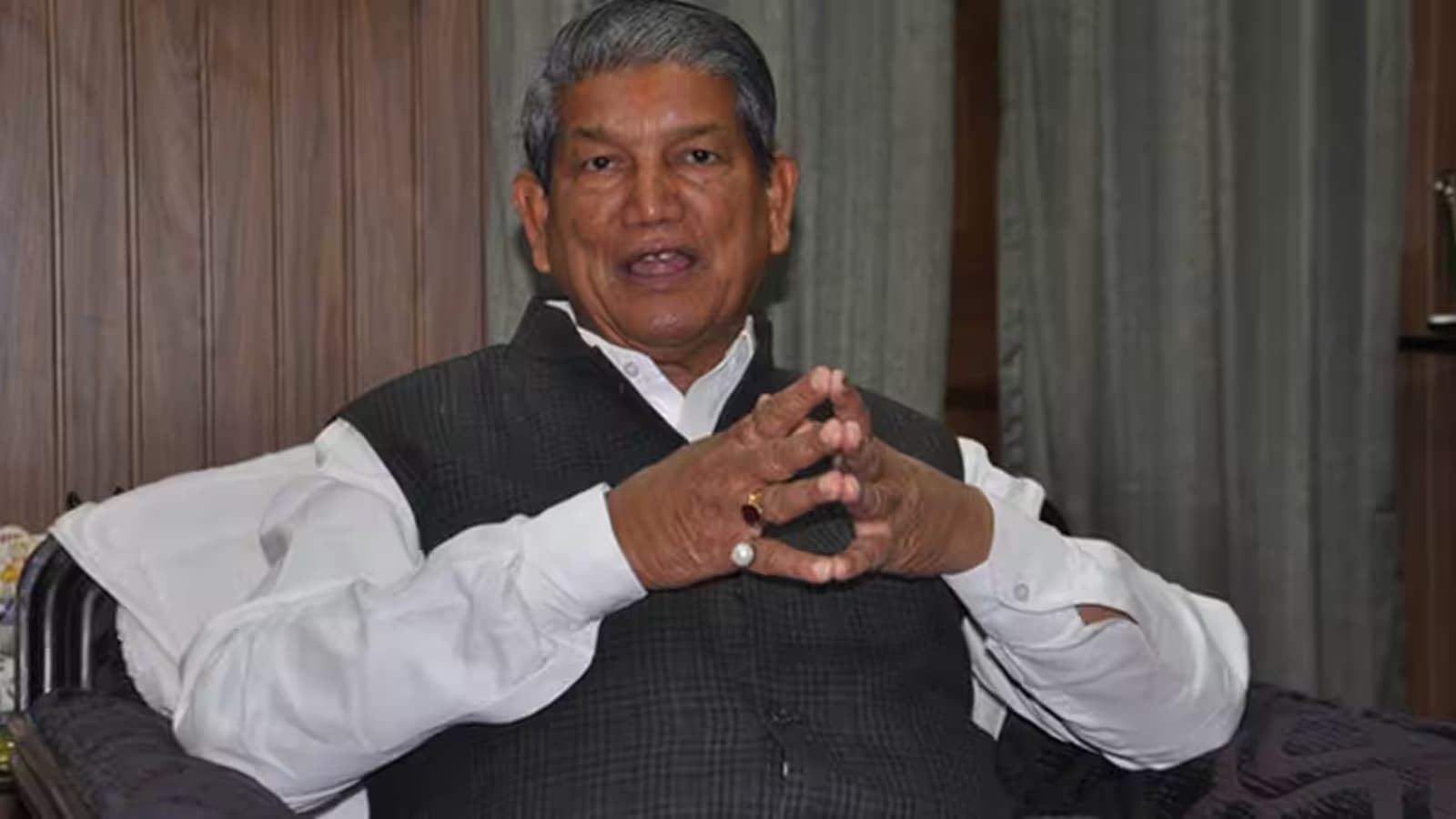
FIR over AI deepfake targeting ex-Uttarakhand CM Harish Rawat; BJP denies role.
Summary
An FIR has been registered concerning an AI-generated video aimed at defaming former Uttarakhand Chief Minister Harish Rawat, a development that saw the BJP deny any involvement. This incident highlights the critical challenge of deepfake technology's misuse in political campaigns and its implications for electoral integrity and cyber security. It underscores the need for robust legal frameworks and public awareness regarding AI-driven misinformation.
Key Points
- 1An FIR (First Information Report) has been filed regarding an AI-generated video targeting former Uttarakhand Chief Minister Harish Rawat.
- 2The incident involves the alleged misuse of Artificial Intelligence (AI) technology, specifically deepfakes, for political purposes.
- 3The Bharatiya Janata Party (BJP) has publicly denied any role or involvement in the creation or dissemination of the controversial video.
- 4This event highlights the increasing concern over misinformation and defamation spread through advanced technological tools like AI in the political landscape.
- 5The filing of an FIR indicates the initiation of legal proceedings under relevant cybercrime and defamation laws in response to the AI-manipulated content.
In-Depth Analysis
The filing of a First Information Report (FIR) concerning an AI-generated video targeting former Uttarakhand Chief Minister Harish Rawat marks a crucial moment in India's struggle against digital misinformation. This incident is not an isolated event but rather a stark illustration of the escalating challenges posed by advanced Artificial Intelligence (AI) technologies, particularly deepfakes, in the political landscape. As India, the world's largest democracy, navigates an increasingly digital public sphere, the integrity of its electoral processes and the robustness of its cyber security infrastructure are being tested.
**Background Context and What Happened:**
AI technology, once a domain of science fiction, has rapidly evolved, giving rise to sophisticated tools like deepfakes. Deepfakes leverage machine learning algorithms to manipulate or generate realistic-looking images, audio, or video, often portraying individuals saying or doing things they never did. Globally, deepfakes have been identified as a significant threat to political discourse, national security, and individual privacy. In India, concerns have been mounting, especially as the country heads into various state and general elections. The specific incident involves an AI-generated video allegedly defaming Harish Rawat, a prominent leader and former Chief Minister of Uttarakhand. The immediate response was the filing of an FIR, indicating the initiation of legal proceedings to investigate the origins and perpetrators behind this malicious content. Importantly, the Bharatiya Janata Party (BJP) has publicly distanced itself from the video, denying any role in its creation or dissemination, highlighting the sensitive political nature of such incidents.
**Key Stakeholders Involved:**
Several entities are critically involved in this unfolding situation. **Harish Rawat**, as the target of the deepfake, represents the individual victim whose reputation and political standing are at stake. The **Uttarakhand Police** and other **law enforcement agencies** are pivotal as they are responsible for investigating the cybercrime, identifying the culprits, and enforcing relevant laws. Their effectiveness in tracing digital footprints and prosecuting offenders will set a precedent. **Political parties**, including the BJP and the Indian National Congress (to which Rawat belongs), are significant stakeholders because such content directly impacts political narratives, electoral campaigns, and public trust. **Social media platforms** (though not explicitly named in the summary) are de facto stakeholders, as they serve as primary conduits for the dissemination of such videos. Their content moderation policies and responsiveness to takedown requests are crucial. Finally, the **Indian electorate and the general public** are the ultimate targets of such misinformation, whose perceptions and voting behaviors can be unduly influenced, thereby undermining democratic processes.
**Significance for India and Broader Themes:**
This incident carries profound significance for India across multiple dimensions. From a **political standpoint**, it directly threatens electoral integrity. Deepfakes can be deployed to create false narratives, spread propaganda, and defame candidates, potentially swaying public opinion and distorting the democratic mandate. This necessitates a re-evaluation of election campaigning rules by the **Election Commission of India (ECI)**, which has a constitutional mandate under **Article 324** to ensure free and fair elections. From a **cybersecurity perspective**, the incident underscores India's vulnerability to advanced digital threats. It highlights the urgent need for enhanced cyber forensics capabilities, robust digital infrastructure, and proactive threat intelligence. Socially, deepfakes can erode public trust in information, media, and political institutions, fostering a climate of suspicion and potentially exacerbating social divisions. The ethical implications of AI are also brought to the forefront, demanding a national discourse on responsible AI development and deployment.
**Historical Context and Constitutional Provisions:**
While deepfakes are a relatively new phenomenon, the challenge of misinformation in Indian elections is not. Historically, elections have seen the spread of rumors and propaganda through pamphlets, local media, and more recently, social media platforms like WhatsApp. The advent of AI simply amplifies the scale, speed, and realism of such disinformation campaigns. Legally, the response to such incidents relies on existing frameworks like the **Information Technology (IT) Act, 2000**, particularly sections dealing with cybercrime, electronic evidence, and intermediary liability. For instance, **Section 66D** addresses cheating by personation by using computer resource, while **Section 67** deals with publishing or transmitting obscene material in electronic form. Defamation charges can be brought under **Sections 499 and 500 of the Indian Penal Code (IPC), 1860**. However, these laws were not specifically drafted with AI-generated content in mind, posing challenges in identifying the 'author' and proving intent. The right to freedom of speech and expression, guaranteed by **Article 19(1)(a) of the Constitution**, must be balanced with reasonable restrictions under **Article 19(2)**, which allows for restrictions in the interest of public order, decency, morality, and defamation. The current incident tests the limits of these provisions in the digital age.
**Future Implications:**
Looking ahead, this incident serves as a wake-up call. India needs to rapidly develop a multi-pronged strategy. Firstly, **legal frameworks** must be strengthened, possibly through amendments to the IT Act or the introduction of a new Digital India Act, specifically addressing AI-driven misinformation and deepfakes. This might involve stricter penalties, clear definitions, and mechanisms for swift takedown. Secondly, **technological solutions** are vital, including investment in AI detection tools and collaboration with tech companies to develop robust verification systems. Thirdly, **public awareness and digital literacy campaigns** are crucial to equip citizens with the ability to discern real from fake content. The ECI will likely need to issue comprehensive guidelines for the use of AI in political campaigns, potentially including mandatory disclosure norms. Finally, this issue has global implications, necessitating **international cooperation** to combat cross-border dissemination of deepfakes and regulate AI development responsibly. The Harish Rawat deepfake incident is a critical precursor to what could become a defining challenge for Indian democracy in the digital age.
Exam Tips
This topic falls under GS-II (Polity & Governance, specifically electoral reforms and cyber policy) and GS-III (Science & Technology, Internal Security, particularly cybersecurity and AI ethics).
Study related topics such as the evolution of cybercrime laws in India (IT Act 2000 and subsequent amendments), the role of the Election Commission of India in regulating digital content during elections, and the constitutional provisions related to freedom of speech (Article 19) and defamation.
Common question patterns include analytical essays on the impact of AI on democratic processes, ethical dilemmas posed by deepfakes, and the legal and technological challenges in combating digital misinformation. Prelims might ask about specific sections of the IT Act or IPC related to cybercrime, or the definition and implications of deepfake technology.