



Relevant for Exams
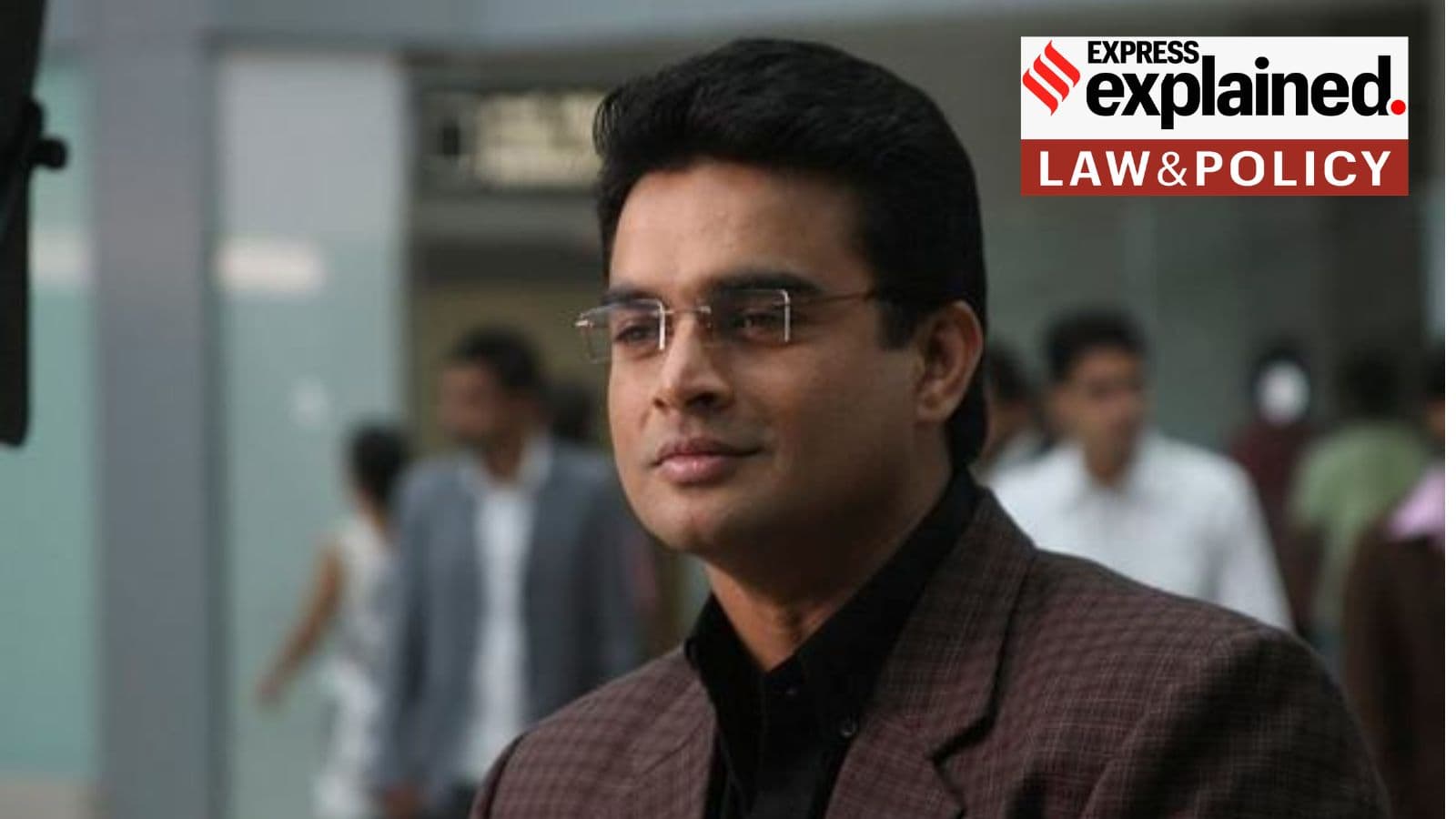
Delhi HC bans unauthorized use of R. Madhavan's likeness, reinforcing personality rights in India.
Summary
The Delhi High Court recently issued an order prohibiting the unauthorized commercial use of actor R. Madhavan's likeness, name, and voice. This significant ruling underscores the evolving landscape of 'personality rights' in India, protecting individuals from commercial exploitation of their identity without consent. For competitive exams, understanding the legal basis, judicial evolution, and implications of personality rights is crucial, especially concerning Article 21 and intellectual property law.
Key Points
- 1The Delhi High Court recently passed an order restraining various entities from unauthorizedly using actor R. Madhavan's name, image, and voice for commercial purposes.
- 2This judgment reinforces the concept of 'personality rights' in India, which protects individuals' right to control the commercial exploitation of their identity.
- 3Personality rights in India are primarily derived from common law principles and are often linked to the fundamental Right to Privacy under Article 21 of the Indian Constitution.
- 4The evolution of personality rights, including the 'right to publicity', has largely been shaped by judicial pronouncements in India over the past decades.
- 5The ruling sets a precedent against the misuse of celebrity likeness in advertising, digital media, and emerging technologies like AI, impacting intellectual property and privacy laws.
In-Depth Analysis
The Delhi High Court's recent interim order, restraining various entities from the unauthorized commercial use of actor R. Madhavan's name, image, and voice, marks a significant development in the jurisprudence of 'personality rights' in India. This ruling is not merely about protecting a celebrity's identity; it underscores a broader legal and ethical debate concerning an individual's control over their public persona in an increasingly digital and AI-driven world.
**Background Context and Evolution of Personality Rights:**
Personality rights, often referred to as the 'right to publicity' in some jurisdictions, grant individuals the exclusive right to control the commercial exploitation of their identity. This includes their name, likeness, voice, signature, and other distinct attributes. Globally, these rights emerged in response to the growing commercial value of celebrity endorsements and the need to prevent unauthorized appropriation. In India, the concept isn't explicitly codified in a single statute but has evolved primarily through judicial pronouncements, drawing heavily from common law principles and the fundamental Right to Privacy.
The genesis of personality rights in India can be traced back to the early 2000s. Landmark cases like *ICC Development (International) Ltd. v. Arvee Enterprises (2003)* first articulated the 'right to publicity' as distinct from trademark or copyright law, recognizing it as an inherent right of every individual, especially celebrities. The court in that case defined the right to publicity as the right to control the commercial use of one's identity. Subsequent judgments, such as *Titan Industries Ltd. v. Ramkumar Jewellers (2012)*, further solidified this position, emphasizing that a celebrity's persona has an independent value and cannot be exploited without consent. These rulings laid the groundwork for the current understanding, linking the right to publicity to the broader fundamental right to privacy guaranteed under **Article 21** of the Indian Constitution, which ensures the Right to Life and Personal Liberty, now explicitly interpreted to include the Right to Privacy following the *Justice K.S. Puttaswamy (Retd.) v. Union of India (2017)* judgment.
**What Happened in the Madhavan Case and Key Stakeholders:**
In the R. Madhavan case, the actor approached the Delhi High Court seeking an injunction against several unknown entities (referred to as 'John Doe' defendants) who were allegedly using his name, image, and voice without his permission for various commercial purposes, including advertisements and endorsements. The court, recognizing the urgency and potential for irreparable harm, granted an interim injunction, prohibiting such unauthorized use. The key stakeholders involved are:
* **R. Madhavan:** The celebrity whose personality rights are being protected.
* **Delhi High Court:** The judicial body upholding the individual's rights and setting a precedent.
* **Unauthorized Entities (John Doe defendants):** Advertisers, digital platforms, or individuals exploiting celebrity likenesses without consent.
* **Celebrities/Public Figures:** They stand to benefit from stronger protection of their persona, ensuring fair compensation for commercial use.
* **Advertising and Media Industry:** These sectors must now exercise greater diligence in obtaining proper clearances, impacting marketing strategies and compliance. This also includes emerging technologies like AI developers who might generate content using celebrity likenesses.
* **Consumers:** Protected from potentially misleading advertisements that falsely imply celebrity endorsement.
**Significance for India and Future Implications:**
This ruling holds immense significance for India. Firstly, it strengthens the protection of individual rights, particularly the Right to Privacy under Article 21, extending its ambit to the commercial aspect of one's identity. In an economy where celebrity endorsements drive significant market value, this ensures that the economic fruits of one's persona rightfully belong to the individual. Secondly, it provides a crucial legal shield against the misuse of emerging technologies like Artificial Intelligence (AI) and deepfakes. With the proliferation of generative AI, it has become alarmingly easy to create realistic images, videos, and voices of individuals, including celebrities, without their consent. This judgment sends a strong message that such exploitation will not be tolerated, paving the way for future regulations concerning AI ethics and digital identity protection. The lack of specific legislation on personality rights currently means that judicial pronouncements like this are vital in shaping the legal landscape.
Furthermore, the ruling impacts the broader intellectual property regime and consumer protection. While distinct from copyright or trademark, personality rights often intersect with these areas. It also reinforces the provisions of the **Consumer Protection Act, 2019**, which holds endorsers and advertisers accountable for misleading advertisements. By protecting celebrities from unauthorized use, it indirectly ensures that only genuine endorsements reach consumers. Looking ahead, this judgment could spur the Indian legislature to consider specific statutory provisions for personality rights, providing a clearer legal framework. It will also likely lead to increased awareness among celebrities to actively protect their digital footprint and potentially more litigation as individuals seek to enforce their rights in the digital age. This decision is a critical step towards regulating the digital economy, ensuring accountability, and safeguarding individual autonomy in the face of technological advancements.
**Related Constitutional Articles, Acts, and Policies:**
* **Article 21 of the Indian Constitution:** Right to Life and Personal Liberty, which includes the Right to Privacy and, by extension, personality rights.
* **Common Law Principles:** The torts of passing off and defamation have historically provided some recourse, but personality rights are distinct.
* **Information Technology Act, 2000:** While not directly addressing personality rights, its provisions regarding cybersecurity and data protection can be tangentially relevant in cases of digital misuse.
* **Consumer Protection Act, 2019:** Relevant for holding advertisers and endorsers accountable for misleading advertisements and ensuring consumers are not duped by false celebrity endorsements.
* **Intellectual Property Rights:** While personality rights are *sui generis*, they often interact with the **Copyright Act, 1957** (for creative works) and the **Trademarks Act, 1999** (for brand names and logos, which can sometimes include celebrity names).
* **Draft Digital Personal Data Protection Bill (currently passed as Digital Personal Data Protection Act, 2023):** While primarily focused on personal data, its principles of consent and protection of individual identity could eventually be extended to encompass aspects of personality rights, especially concerning biometric data or AI-generated likenesses.
Exam Tips
This topic falls under 'Indian Polity' and 'Governance' in the UPSC Civil Services syllabus, specifically under Fundamental Rights (Article 21) and the Judiciary. For SSC and State PSCs, it's crucial for Current Affairs and General Awareness.
Study the evolution of the Right to Privacy in India, especially the *Justice K.S. Puttaswamy* judgment (2017), as personality rights are deeply intertwined with it. Also, understand the distinction between personality rights, copyright, and trademark.
Prepare for questions on the impact of technology (like AI and deepfakes) on individual rights. Common question patterns include analytical questions on the legal basis of personality rights, their significance, and future implications, or direct questions on relevant constitutional articles and landmark judgments.
Relate this topic to consumer protection laws (Consumer Protection Act, 2019), particularly provisions concerning misleading advertisements and celebrity endorsements.
Understand the 'John Doe' order concept (also known as 'Ashok Kumar' orders) in injunctions against unknown parties, as it's frequently used in intellectual property and personality rights cases.