



Relevant for Exams
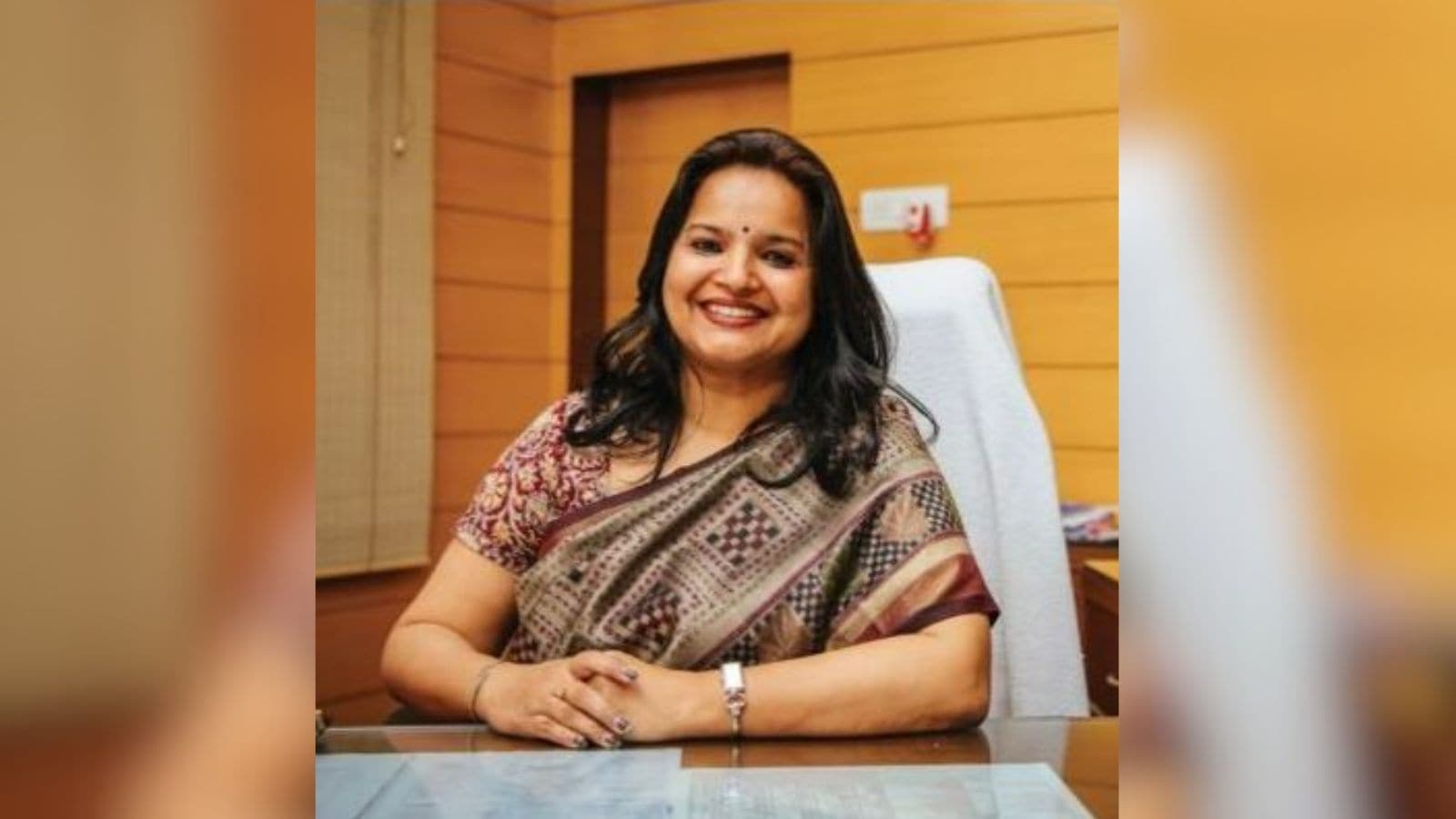
Anu Garg becomes Odisha's first woman Chief Secretary, a historic administrative appointment.
Summary
Anu Garg has been appointed as Odisha's first woman Chief Secretary, marking a significant milestone in the state's administrative history. This crucial appointment highlights her extensive experience and ability to gain trust across political spectrums. For competitive exams, this is a key appointment in state administration and an important general awareness fact, especially for state-specific current affairs.
Key Points
- 1Anu Garg has been appointed as the first woman Chief Secretary of Odisha.
- 2This marks a historic first for the state of Odisha, as no woman previously held this top administrative post.
- 3The Chief Secretary is the highest-ranking administrative officer in a state government.
- 4The news title indicates Anu Garg earned the trust of both BJD and BJP governments.
- 5This appointment is significant for state administration and general awareness sections of competitive exams.
In-Depth Analysis
The appointment of Anu Garg as Odisha's first woman Chief Secretary marks a significant milestone in India's administrative landscape, reflecting both the evolving role of women in public service and the critical importance of a non-partisan, efficient bureaucracy for state governance. This historic elevation places her at the pinnacle of the state's administrative hierarchy, a position of immense responsibility and influence.
**Background Context: The Apex of State Administration**
To understand the gravity of this appointment, one must first grasp the role of a Chief Secretary. The Chief Secretary is the administrative head of the state secretariat and the state civil services, serving as the principal advisor to the Chief Minister on all matters of administration. This officer is the fulcrum around which the state's administrative machinery revolves, responsible for coordination between various departments, ensuring policy implementation, and acting as a crucial link between the political executive and the permanent bureaucracy. The Chief Secretary's office is not explicitly mentioned in the Constitution of India but has evolved as a cornerstone of administrative practice, deriving its authority from rules of business and conventions. Their efficiency directly impacts the state's ability to deliver services, manage finances, and maintain law and order.
**What Happened: A Historic Appointment**
Anu Garg, an Indian Administrative Service (IAS) officer of the 1991 batch, was appointed as the Chief Secretary of Odisha. This appointment is groundbreaking as she is the first woman to hold this prestigious post in the state's history. Her selection underscores her extensive experience and proven track record in various capacities within the state administration. The news title specifically highlighted her ability to earn the trust of both the Biju Janata Dal (BJD) and Bharatiya Janata Party (BJP) governments, which is a testament to her professional integrity and administrative acumen, allowing her to transcend political differences and focus on governance.
**Key Stakeholders Involved**
The primary stakeholders in this appointment include Anu Garg herself, whose career trajectory culminated in this top post. The Odisha State Government, particularly the Chief Minister (who makes the recommendation for such an appointment), is a crucial stakeholder, as the Chief Secretary is the CM's chief administrative arm. The bureaucracy of Odisha is another key stakeholder, as her leadership will guide thousands of civil servants. Political parties like the ruling BJD and the opposition BJP are also indirectly involved, as the Chief Secretary's ability to work effectively often requires navigating the political landscape while maintaining administrative neutrality. The citizens of Odisha are the ultimate beneficiaries, as efficient administration under a capable Chief Secretary leads to better governance and service delivery.
**Why This Matters for India: Broader Significance**
This appointment carries multi-faceted significance for India. Firstly, it is a powerful symbol of **women's empowerment** and breaking the glass ceiling in public administration. In a country where women have historically been underrepresented in top leadership roles, Anu Garg's elevation provides a strong role model for aspiring women civil servants and reinforces the idea of meritocracy over gender. Secondly, it highlights the importance of **good governance** and administrative stability. A Chief Secretary who enjoys the confidence of both ruling and opposition parties, as suggested by the news, can ensure continuity and efficiency in administration, irrespective of political shifts. This is vital for a state's development trajectory. Thirdly, it subtly touches upon the concept of **federalism** and the role of All India Services (like the IAS) in maintaining administrative uniformity and standards across states. Article 312 of the Indian Constitution empowers Parliament to create All India Services, which serve both the Union and the States, ensuring a degree of administrative integration.
**Historical Context and Future Implications**
Historically, the higher echelons of the Indian bureaucracy, particularly the Chief Secretary's post, have been predominantly occupied by men since independence. While women have joined the civil services in increasing numbers since the 1970s, their ascent to the very top has been slower. Anu Garg's appointment is part of a broader, albeit gradual, trend of increasing female representation in key administrative roles across various states and the Union government. This trend not only promotes gender equality but also potentially brings diverse perspectives and leadership styles to governance.
Looking ahead, this appointment is expected to bring stability and a renewed focus on administrative efficiency in Odisha. It could inspire more women to pursue careers in civil services and aspire for top leadership positions. Her success in navigating the state's administrative challenges will serve as a benchmark and potentially encourage other states to promote deserving women officers to similar critical roles. It also reinforces the idea that administrative competence and integrity can transcend political divides, contributing to a more robust and responsive governance framework in the Indian federal structure.
**Related Constitutional Articles, Acts, or Policies**
While the Chief Secretary's position itself isn't constitutionally defined, several provisions underpin the administrative framework:
* **Article 312:** Pertains to the creation of All India Services (like the IAS), which form the backbone of the bureaucracy from which Chief Secretaries are drawn.
* **Part VI of the Constitution (Articles 153-167):** Deals with the State Executive, including the Governor and the Council of Ministers headed by the Chief Minister. The Chief Secretary functions under the executive authority of the state government.
* **Rules of Business of the State Government:** These rules, framed under Article 166(3), define the distribution of work among departments and officers, implicitly laying out the Chief Secretary's coordinating and oversight functions.
* **All India Services (Conduct) Rules, 1968 and All India Services (Discipline and Appeal) Rules, 1969:** These govern the conduct, discipline, and service conditions of IAS officers, including the Chief Secretary.
Exam Tips
This topic falls primarily under 'Current Affairs (Appointments)' and 'Indian Polity & Governance (State Executive, Bureaucracy)' sections of competitive exams. For state-specific PSCs, it's a crucial fact.
Study the role and functions of a Chief Secretary, comparing it with the Cabinet Secretary at the Union level. Also, understand the structure and role of All India Services (IAS, IPS, IFS) and their constitutional backing (Article 312).
Common question patterns include direct factual questions (e.g., 'Who is the first woman Chief Secretary of Odisha?'), questions on the role of the Chief Secretary, or questions on women's representation in top administrative positions in India.