


Relevant for Exams
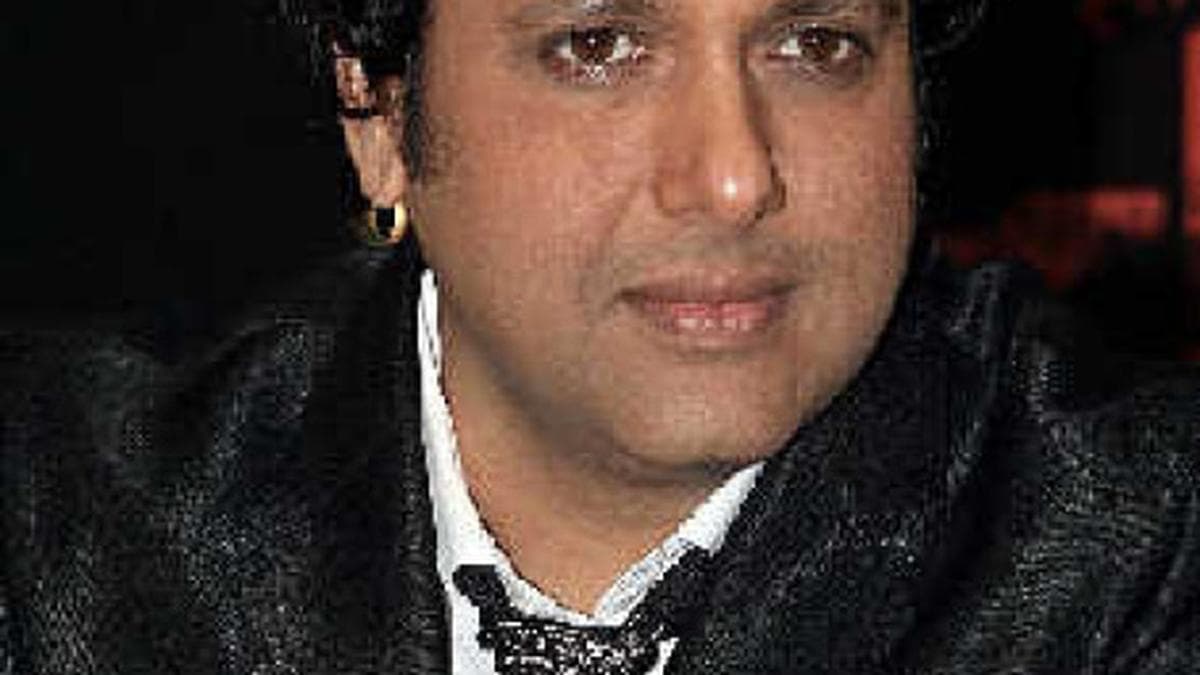
Actor Govinda named Shiv Sena star campaigner for January 15 municipal polls across 29 MCs.
Summary
Actor Govinda has been named among 40 star campaigners for Shiv Sena in the upcoming municipal corporation polls. These elections, scheduled for January 15, will cover 29 Municipal Corporations and involve approximately 3.5 crore voters across 2,869 seats. This event highlights the participation of celebrities in local politics and the scale of urban local body elections in India, which are crucial for understanding grassroots democracy.
Key Points
- 1Actor Govinda is among the 40 star campaigners for Shiv Sena in the municipal corporation polls.
- 2The municipal corporation polls are scheduled to be held on January 15.
- 3The elections will cover 29 Municipal Corporations (MCs).
- 4A total of 2,869 seats will be contested in these municipal elections.
- 5Around 3.5 crore voters are expected to participate in the electoral exercise.
In-Depth Analysis
The news of actor Govinda being named a star campaigner for Shiv Sena in the upcoming municipal corporation polls offers a fascinating glimpse into the mechanics of grassroots democracy and urban governance in India. At its core, this event highlights the immense scale and political significance of Urban Local Body (ULB) elections, which are often overshadowed by state and national polls but are crucial for the daily lives of citizens.
**Background Context: The Pillars of Urban Governance**
India, a rapidly urbanizing nation, relies heavily on its ULBs, such as Municipal Corporations, Municipal Councils, and Nagar Panchayats, to deliver essential services and foster local development. The concept of local self-government, though present in various forms through history, gained constitutional sanctity with the 74th Constitutional Amendment Act of 1992. This landmark amendment mandated the establishment of ULBs, defined their powers and responsibilities, and ensured regular elections. It added Part IXA (Articles 243P to 243ZG) and the Twelfth Schedule to the Constitution, delineating 18 functional items for municipalities, including urban planning, water supply, sanitation, public health, and street lighting. Before this amendment, ULBs often suffered from irregular elections, inadequate powers, and financial dependence on state governments. The 74th Amendment aimed to rectify these issues, empowering local bodies to act as effective institutions of self-governance.
**What Happened: Celebrity Power in Local Politics**
The specific event involves actor Govinda, a prominent Bollywood personality, joining 39 other star campaigners for the Shiv Sena in municipal corporation polls. These elections, scheduled for January 15, are massive in scale, covering 29 Municipal Corporations and involving approximately 3.5 crore voters vying for 2,869 seats. Shiv Sena, a regional political party with a strong base in Maharashtra, is leveraging the popularity of a celebrity like Govinda to connect with voters, boost morale among party workers, and potentially sway public opinion. Star campaigners are a common feature in Indian elections, deployed by parties to draw crowds, generate media attention, and add glamour to their campaigns, even at the local level.
**Key Stakeholders and Their Roles**
Several key stakeholders are involved in this electoral exercise. **Political parties**, like Shiv Sena, are central, strategizing to win seats and control municipal bodies to implement their agendas and expand their political influence. **Celebrities** such as Govinda are utilized for their mass appeal and ability to attract voters, often transcending traditional political divides. Their involvement can energize campaigns and provide a 'star factor' that resonates with the electorate. The **voters**, numbering around 3.5 crore in this instance, are the ultimate decision-makers, choosing their representatives who will directly impact their local environment and quality of life. The **State Election Commission**, established under Article 243ZA of the Constitution (similar to 243K for Panchayats), is responsible for the superintendence, direction, and control of the preparation of electoral rolls and the conduct of these municipal elections, ensuring free and fair polls. Finally, the **Municipal Corporations** themselves are the institutions at stake – their leadership will determine the trajectory of urban development and service delivery for millions.
**Significance for India: Strengthening Grassroots Democracy**
This event is highly significant for India for several reasons. Firstly, it underscores the vitality of **grassroots democracy**. ULBs are the closest tier of government to the people, addressing immediate local needs and fostering direct participation. Effective municipal governance is crucial for tackling India's rapid urbanization challenges, including infrastructure development, waste management, public transport, and housing. Secondly, the involvement of celebrities highlights the evolving nature of **political campaigning** and the increasing role of media and popular culture in influencing voter behavior, even at the local level. While it can bring excitement, it also raises questions about the substance of political discourse versus personality appeal. Thirdly, the sheer scale of these elections – 29 MCs, 2,869 seats, 3.5 crore voters – demonstrates the robust electoral machinery and the deep democratic roots that permeate all levels of governance in India. The proper functioning of ULBs, as envisioned by the 74th Amendment, is indispensable for achieving inclusive and sustainable urban growth.
**Historical Context and Future Implications**
The journey of local self-government in India is long, dating back to ancient village republics. Modern municipalities emerged during British rule, with the Madras Municipal Corporation established in 1688 and Lord Ripon's Resolution of 1882 often hailed as the 'Magna Carta' of local self-government. Post-independence, despite constitutional directives (Article 40 – DPSP), local bodies often struggled until the 74th Amendment provided the much-needed constitutional backing. Looking ahead, the future implications are substantial. Strong ULBs are pivotal for the success of national initiatives like the Smart Cities Mission, AMRUT (Atal Mission for Rejuvenation and Urban Transformation), and Swachh Bharat Abhiyan, as these programs are implemented at the municipal level. The increasing political competition and celebrity involvement suggest that urban local elections will continue to be high-stakes affairs, potentially leading to more dynamic local leadership but also raising concerns about the politicization of essential urban services. The ability of ULBs to generate their own revenue (through property taxes, user charges, etc., as per Article 243X) and effectively utilize funds, often recommended by the State Finance Commissions (Article 243Y), will be critical for their autonomy and operational efficiency in the coming decades.
Exam Tips
This topic falls under 'Indian Polity & Governance' in the UPSC/State PSC syllabus, specifically 'Local Self-Government' (Panchayati Raj and Urban Local Bodies). Focus on the 73rd and 74th Constitutional Amendment Acts.
Study the constitutional provisions thoroughly: Part IXA of the Constitution (Articles 243P to 243ZG), the Twelfth Schedule, the functions of the State Election Commission (Article 243ZA), and the State Finance Commission (Article 243Y).
Common question patterns include direct questions on the features and significance of the 74th Amendment, the composition and functions of Municipal Corporations, challenges faced by ULBs, and the role of State Election/Finance Commissions. Be prepared for both factual and analytical questions.
Related Topics to Study
Full Article
On January 15, political parties will contest in 29 MC covering 2,869 seats, and around 3.5 crore voters will participate in the exercise to appoint the public representatives