



Relevant for Exams
Kolkata SIR analysis: 'Das' and 'Singh' most deleted surnames, non-Bengali names dominate deletions.
Summary
An analysis conducted in Kolkata during the first phase of Special Intensive Revision (SIR) of electoral rolls revealed 'Das' and 'Singh' as the most frequently deleted surnames. This study indicated that non-Bengali surnames predominantly featured among these deletions. Such specific findings are important for competitive exams as they offer insights into demographic trends and electoral processes, particularly for state-level examinations focusing on local administration and population dynamics.
Key Points
- 1The analysis of surname deletions was conducted in Kolkata.
- 2The deletions occurred during the first phase of Special Intensive Revision (SIR) of electoral rolls.
- 3'Das' was identified as one of the most common surnames deleted.
- 4'Singh' was also identified as one of the most common surnames deleted.
- 5The analysis revealed that non-Bengali surnames dominated the total deletions.
In-Depth Analysis
The news regarding the deletion of specific surnames like 'Das' and 'Singh' during the Special Intensive Revision (SIR) of electoral rolls in Kolkata, with a notable dominance of non-Bengali surnames, offers a critical lens into the intricacies of India's electoral democracy, demographic shifts, and the administrative challenges faced by election authorities. This seemingly localized finding has broader implications for electoral integrity, social cohesion, and political dynamics across the nation.
**Background Context: The Importance of Electoral Rolls**
India, as the world's largest democracy, places immense emphasis on free and fair elections. A foundational element of this process is an accurate and updated electoral roll. The Election Commission of India (ECI), a constitutional body established under Article 324, is entrusted with the superintendence, direction, and control of the preparation of electoral rolls for, and the conduct of, all elections to Parliament and to the Legislature of every State. To maintain the accuracy of these rolls, the ECI periodically conducts revisions. The Special Intensive Revision (SIR) is one such exercise, specifically designed to update the voter list by adding eligible new voters, deleting deceased voters, removing duplicate entries, and correcting errors. This rigorous process is crucial for upholding the principle of 'one person, one vote' and ensuring that every eligible citizen can exercise their franchise, as enshrined in Article 326 of the Constitution, which establishes universal adult franchise.
**What Happened: A Closer Look at Kolkata's SIR**
The analysis in question pertains to the first phase of SIR in Kolkata. The key finding was that 'Das' and 'Singh' were among the most frequently deleted surnames. More significantly, the analysis revealed that non-Bengali surnames predominantly featured among these deletions. This suggests a potential demographic pattern, where individuals with surnames commonly associated with non-Bengali communities might have been disproportionately affected by the deletions. While the article doesn't specify the reasons for deletion (e.g., shifting residence, death, duplication), the surname analysis points towards a specific demographic impact.
**Key Stakeholders Involved**
Several entities play crucial roles in this process. The **Election Commission of India (ECI)** is the apex body, setting guidelines and overseeing the entire revision process. At the ground level, **District Election Officers (DEOs)**, typically the District Magistrates/Collectors, along with Electoral Registration Officers (EROs) and Booth Level Officers (BLOs), implement the revision directives. **Political parties** are significant stakeholders; they vigilantly monitor the revision process, often raising objections or allegations if they perceive unfair deletions or inclusions, especially when specific demographic groups are affected. Finally, **citizens/voters** are the ultimate stakeholders, whose fundamental right to vote is directly impacted by the accuracy of the electoral rolls.
**Significance for India: Electoral Integrity and Demographic Shifts**
This finding is significant for several reasons. Firstly, it touches upon the core of **electoral integrity**. Any perceived or actual disproportionate deletion of voters, particularly based on demographic markers, can lead to allegations of disenfranchisement and raise questions about the fairness of the electoral process. Such issues can erode public trust in democratic institutions. Secondly, it highlights **demographic shifts and migration patterns**. The prominence of non-Bengali surnames in deletions could indicate out-migration from Kolkata, or it could prompt scrutiny into the verification processes for specific communities. Kolkata, a metropolitan hub, has historically been a melting pot of various communities, and such data can fuel discussions around regional identity and 'outsider' narratives, particularly in a politically charged state like West Bengal. The **Representation of the People Act, 1950**, which deals with the preparation and revision of electoral rolls, mandates that no person shall be ineligible for inclusion in, or claim to be included in, a special electoral roll on grounds only of religion, race, caste, sex, or any of them (Article 325), emphasizing non-discrimination in voter registration. Any deviation or perception of deviation from this principle is a serious matter.
**Historical Context and Future Implications**
Historically, electoral roll revisions have often been contentious in various parts of India, with political parties frequently accusing rivals of manipulating voter lists. The introduction of Electronic Photo Identity Cards (EPICs) in 1993 was a significant step towards ensuring accurate rolls, but challenges persist. The current findings from Kolkata could lead to increased scrutiny of the SIR process, not just in West Bengal but across other states with diverse populations. Political parties might leverage these findings in their campaigns, potentially leading to heightened political polarization. In the future, the ECI might need to introduce more robust and transparent verification mechanisms, possibly leveraging technology like Aadhaar linkage (though this has its own privacy concerns and legal challenges) or advanced data analytics to ensure that deletions are strictly based on legitimate grounds and not susceptible to biases. It also underscores the need for greater civic awareness campaigns to encourage citizens to actively check their names on electoral rolls during revision periods. The outcome of such revisions directly impacts representation, policy-making, and the overall democratic health of the nation, making continuous vigilance and reform imperative.
Exam Tips
This topic falls under the 'Indian Polity and Governance' section of the UPSC Civil Services Exam (Prelims & Mains GS-II) and State PSC exams. Specifically, focus on the Election Commission of India, Electoral Reforms, and Constitutional Provisions related to elections.
Study the powers and functions of the Election Commission of India (Article 324), provisions related to electoral rolls (Article 325), and universal adult franchise (Article 326). Also, understand the key provisions of the Representation of the People Act, 1950 and 1951.
Common question patterns include MCQs on the constitutional articles and acts related to elections, functions of the ECI, and types of electoral reforms. For descriptive answers, be prepared to analyze the importance of accurate electoral rolls for democratic functioning, challenges in maintaining them, and potential solutions.
Related Topics to Study
Full Article
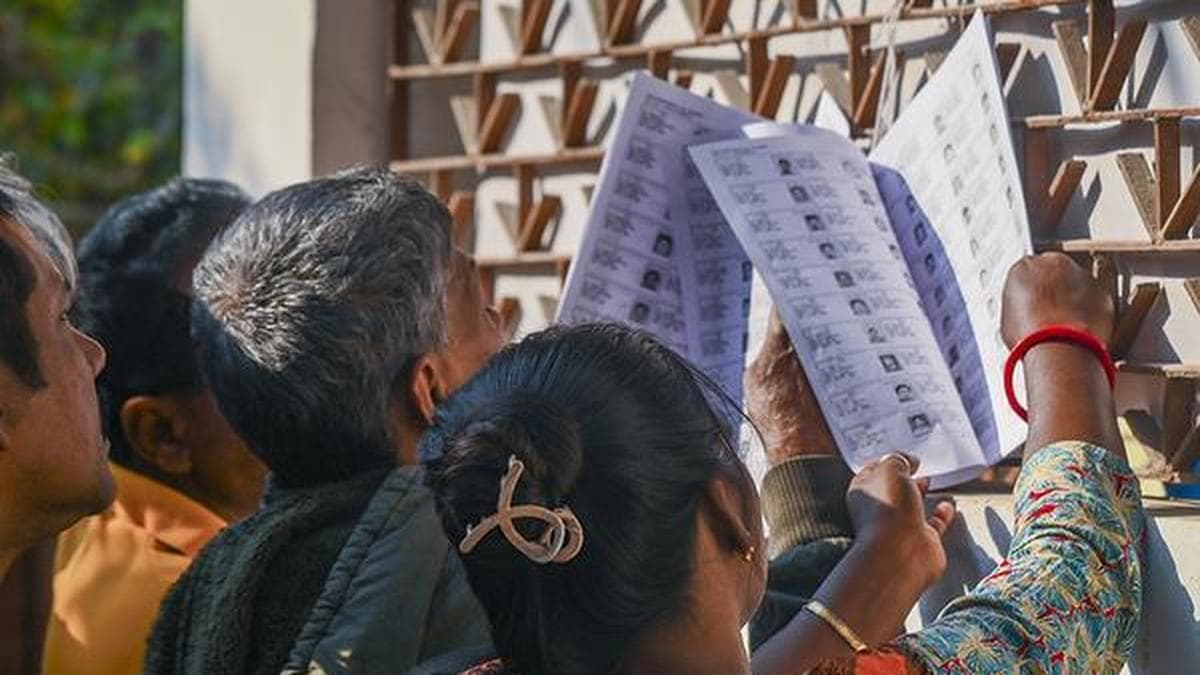
The surname analysis indicates that non-Bengali surnames have dominated the deletions during the first phase of SIR