



Relevant for Exams
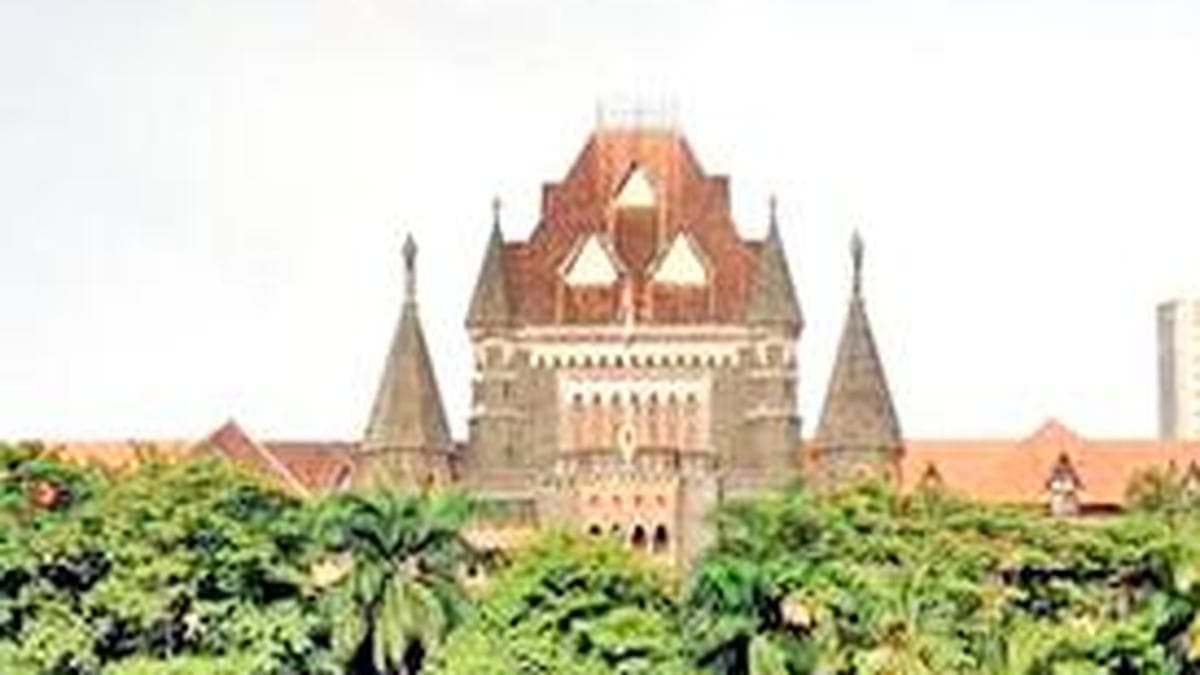
Bombay HC rejects bail for four accused in Palghar lynching case, directs swift CBI probe after 5 years.
Summary
The Bombay High Court rejected the bail pleas of four accused in the Palghar lynching case, citing the gravity of their roles and stating that liberty "cannot be absolute in every situation." The court also directed the Central Bureau of Investigation (CBI) to complete its probe swiftly, as the applicants have remained in custody for over five years. This highlights the judicial process in high-profile criminal cases and the role of investigative agencies, crucial for competitive exam preparation.
Key Points
- 1The Bombay High Court rejected the bail pleas of four accused.
- 2The case pertains to the Palghar lynching incident.
- 3The court cited the 'gravity of roles' of the accused for denying bail.
- 4The accused have remained in custody for over five years.
- 5The Central Bureau of Investigation (CBI) was directed to complete its probe swiftly.
In-Depth Analysis
The recent decision by the Bombay High Court to reject the bail pleas of four accused in the Palghar lynching case, citing the 'gravity of their roles' and the principle that 'liberty cannot be absolute in every situation,' brings to the forefront critical aspects of India's criminal justice system. This ruling, coupled with the directive to the Central Bureau of Investigation (CBI) to complete its probe swiftly given the applicants have been in custody for over five years, underscores the delicate balance between individual rights, societal interest, and the efficiency of investigative and judicial processes.
**Background Context of the Palghar Lynching:**
The horrific Palghar lynching incident occurred on April 16, 2020, in Gadchinchale village, Palghar district, Maharashtra. Two Hindu sadhus (ascetics), Chikne Maharaj Kalpavruksha Giri (70) and Sushil Giri Maharaj (35), along with their driver, Nilesh Telgade (30), were traveling from Mumbai to Surat to attend a funeral. Their vehicle was stopped by a large mob of villagers, who suspected them to be child kidnappers or thieves, amidst heightened vigilante activity during the COVID-19 lockdown. Despite the presence of local police personnel, the mob brutally attacked and lynched all three individuals. The incident sparked widespread outrage across the nation, drawing sharp criticism for the failure of law enforcement to protect the victims.
**The Bombay High Court's Decision and its Implications:**
Initially, the Palghar Police and later the Maharashtra CID investigated the case, leading to the arrest of over 100 individuals. Due to persistent demands for a more thorough probe and allegations of political interference, the case was eventually handed over to the CBI in August 2020. The recent Bombay High Court ruling is significant because it reaffirms the judiciary's role in assessing the merits of bail applications, particularly in heinous crimes. By stating that liberty 'cannot be absolute,' the court emphasized that personal freedom, while a fundamental right, can be curtailed when the alleged offenses are grave and the accused's role is substantial. This principle is crucial for maintaining law and order and ensuring public confidence in the justice system. The court's directive to the CBI highlights concerns about the prolonged detention of undertrials – a persistent issue in India – and the need for expeditious investigation to prevent undue hardship and uphold the spirit of justice.
**Key Stakeholders Involved:**
1. **The Bombay High Court (Judiciary):** As the judicial authority, it plays a crucial role in interpreting laws, safeguarding fundamental rights, and ensuring justice. Its decision reflects the application of bail jurisprudence.
2. **The Accused:** Individuals whose fundamental right to liberty (Article 21 of the Constitution) is at stake. Their plea for bail is a standard legal recourse.
3. **The Central Bureau of Investigation (CBI):** India's premier investigative agency, responsible for conducting a fair and swift probe in complex and high-profile cases. The court's directive places pressure on the CBI to finalize its investigation.
4. **Victims' Families:** They represent the interest of justice for the deceased and often seek a speedy and conclusive trial.
5. **State of Maharashtra:** Responsible for law and order, it was initially criticized for its handling of the incident and the subsequent investigation.
**Significance for India and Constitutional Context:**
This case holds profound significance for India's governance and justice system. It underscores the challenges of mob violence, a recurring social problem that undermines the rule of law. The Supreme Court, in the 2018 Tehseen Poonawalla v. Union of India judgment, issued specific guidelines to the central and state governments to prevent and punish mob lynching, recommending legislative measures. The Bombay HC's decision, in this context, reaffirms the judiciary's commitment to holding perpetrators of such violence accountable.
From a constitutional perspective, the case directly engages **Article 21 (Protection of Life and Personal Liberty)**, which guarantees personal liberty, including the right to bail, but also recognizes reasonable restrictions. The denial of bail is often justified under the principles laid out in the **Code of Criminal Procedure (CrPC), 1973**, particularly Sections 437 and 439, which govern bail in non-bailable offenses, considering factors like the gravity of the offense, evidence, and potential for tampering. The prolonged custody of the accused for over five years, while bail is denied, points to the larger issue of undertrial prisoners in India, a significant human rights concern. India has one of the highest proportions of undertrials globally, highlighting the need for prison reforms and faster judicial processes.
**Future Implications:**
The High Court's order implies that the trial in the Palghar lynching case is expected to proceed with greater urgency. The CBI is now under explicit judicial pressure to complete its investigation, which could lead to the filing of supplementary chargesheets or the conclusion of the probe. The accused still have the option to appeal to the Supreme Court. This case will continue to be a test of the Indian justice system's ability to deliver timely justice in cases of mob violence, balance individual liberty with public safety, and ensure accountability from investigative agencies. It also reiterates the ongoing need for public awareness campaigns to combat misinformation and prevent future instances of mob vigilantism.
Exam Tips
This topic falls under GS Paper II (Polity & Governance, Social Justice) and GS Paper III (Internal Security) for UPSC. For SSC and State PSCs, it's relevant for General Awareness, Indian Polity, and Current Affairs. Focus on the interplay between fundamental rights, judicial process, and law enforcement.
Study related topics such as the principles of bail jurisprudence (e.g., 'bail not jail' vs. gravity of offense), the role and powers of the CBI, the issue of undertrial prisoners and prison reforms, and the Supreme Court's guidelines on mob lynching (Tehseen Poonawalla case).
Expect questions on constitutional articles related to personal liberty (Article 21, 22), the functioning of High Courts and investigative agencies, and the societal challenges posed by mob violence. Case study-based questions are common, asking you to analyze the judicial rationale in such situations.
Understand the difference between various types of bail (regular, anticipatory, interim) and the conditions under which they are granted or rejected. Also, be aware of the legal provisions in the CrPC governing bail.
Connect this event to broader themes like judicial delays, human rights, public order, and the need for effective police reforms. Analyze how such incidents impact public trust in institutions.
Related Topics to Study
Full Article
The court said liberty “cannot be absolute in every situation”; directs CBI to complete probe swiftly as applicants remain in custody for over five years