



Article content unavailable; no exam-relevant facts could be extracted.
Summary
The provided news article explicitly states 'No content available'. Therefore, it is impossible to extract specific facts, dates, names, or analyze its significance for competitive exam preparation, as no information was provided for analysis.
Key Points
- 11. No article content was provided for analysis.
- 22. Specific facts, dates, names, or numbers cannot be extracted.
- 33. The significance for competitive exams cannot be assessed without content.
- 44. No exam-focused key points can be generated from the input.
- 55. The input explicitly stated 'No content available' for the article.
In-Depth Analysis
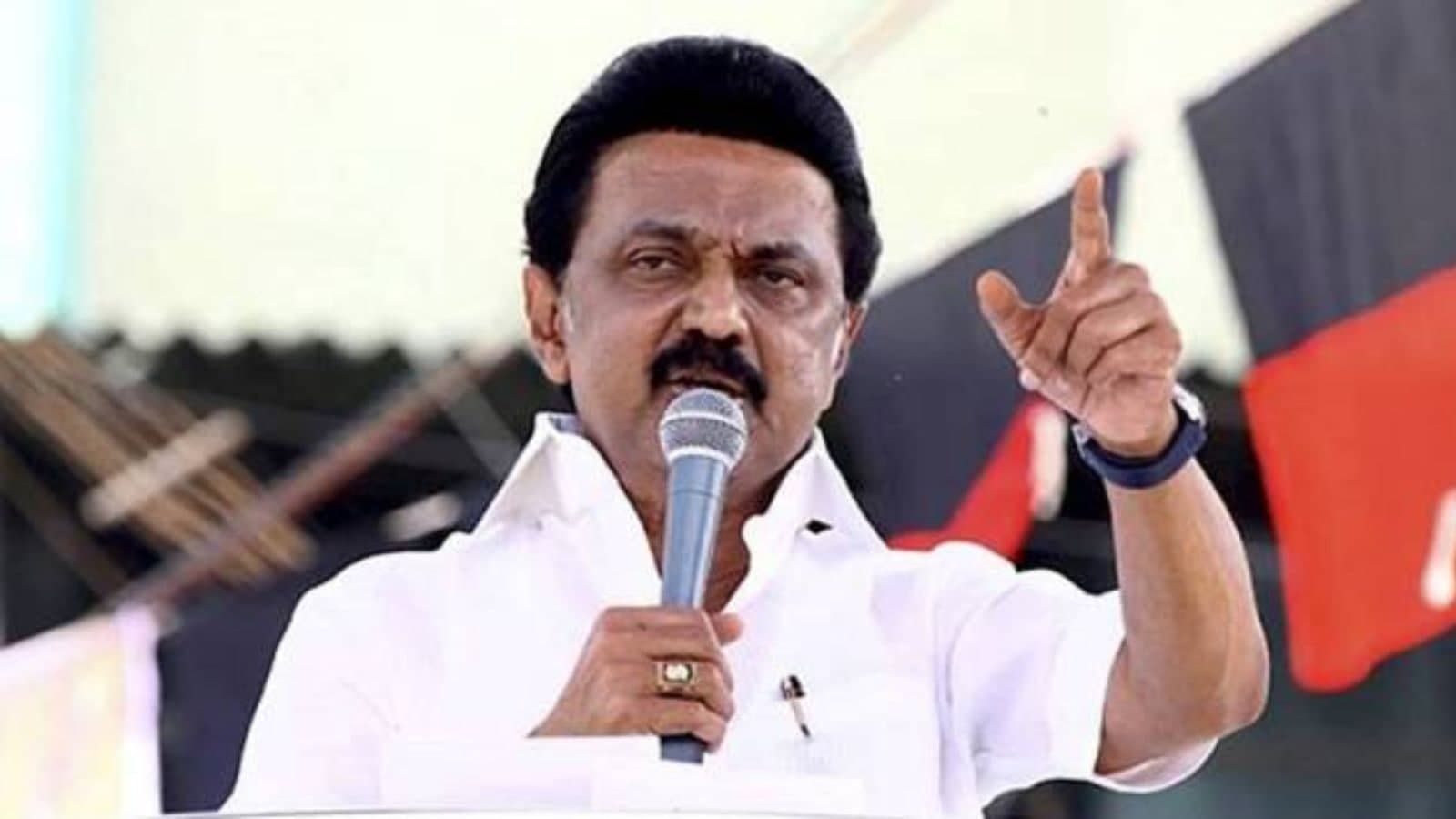
The news headline "DMK donation kitty swells before 2026 battle, rides on rank and file" points to a fundamental aspect of democratic politics: the financing of political parties and elections. While the specific content of the article is unavailable, the title itself provides a crucial lens through which to examine the broader topic of political funding in India, its mechanisms, challenges, and implications for democratic governance. This analysis will delve into the complexities of political finance, using the DMK's reported fundraising efforts as a case study for understanding the general landscape.
**Background Context and What Happened (General Principles):**
Political parties require substantial financial resources to operate, campaign, and contest elections. These funds are used for rallies, advertising, logistical support, candidate expenses, and maintaining party infrastructure. In India, election campaigning has become increasingly expensive, leading parties to seek diverse funding sources. The headline suggests the Dravida Munnetra Kazhagam (DMK), a prominent regional party in Tamil Nadu, is actively building its financial reserves in anticipation of the 2026 elections, likely state assembly polls. The phrase "rides on rank and file" indicates a significant reliance on grassroots contributions from party members and ordinary supporters, alongside potentially larger donations from individuals or corporations. This blend of fundraising strategies is common, as it demonstrates both popular support and the ability to attract substantial financial backing.
**Key Stakeholders Involved:**
1. **Political Parties (e.g., DMK):** The primary actors that raise and utilize funds for political activities. Their financial health directly impacts their electoral competitiveness and operational capacity.
2. **Donors:** This includes individual citizens (the 'rank and file'), corporate entities, trusts, and other organizations. Their motivations for donating can range from ideological alignment to seeking influence or quid pro quo.
3. **Election Commission of India (ECI):** The constitutional body mandated by Article 324 to ensure free and fair elections. The ECI regulates election expenditure, monitors campaign finance, and requires parties to disclose their donations and expenditures.
4. **Government:** Responsible for framing laws and policies related to political funding, such as the Representation of the People Act, 1951, the Income Tax Act, 1961, and the Companies Act, 2013.
5. **Voters/Citizens:** Ultimately affected by the transparency and integrity of political funding, as it can influence policy decisions, governance, and the fairness of the electoral process.
**Why This Matters for India:**
Transparent and accountable political funding is crucial for the health of India's democracy. The increasing cost of elections creates a fertile ground for corruption, lack of transparency, and the potential for 'money power' to undermine the democratic process. When donations are opaque, it becomes difficult to ascertain if policy decisions are being made in the public interest or to benefit specific donors. This erodes public trust in political institutions. Conversely, a robust system of funding, particularly through small, verifiable donations from the 'rank and file,' can signify broad-based support and reduce reliance on large, potentially influential donors, thereby strengthening democratic accountability. The DMK's reported reliance on its cadre for contributions, if transparently managed, could be seen as a positive sign of grassroots engagement.
**Historical Context and Related Constitutional Articles/Acts:**
India has a long history of grappling with political funding challenges. Earlier regulations were often circumvented, leading to calls for reform. Key legal frameworks include:
* **Representation of the People Act, 1951 (RPA):** Mandates disclosure of election expenses by candidates and limits on expenditure. Section 29B and 29C deal with contributions by individuals and companies to political parties and their declaration to the ECI.
* **Income Tax Act, 1961:** Provides tax exemptions for donations to registered political parties, incentivizing formal donations. Section 13A specifically deals with income of political parties.
* **Companies Act, 2013:** Regulates corporate donations to political parties. Until recently, Section 182 allowed companies to donate up to 7.5% of their average net profit of the preceding three financial years. This limit was removed in 2017 with the introduction of Electoral Bonds.
* **Electoral Bonds Scheme (2018-2024):** Introduced to ostensibly bring transparency to political funding by allowing individuals and corporations to donate anonymously to political parties through designated bank branches. However, it faced severe criticism for its opacity and was ultimately struck down by the Supreme Court in February 2024, citing its violation of the right to information (Article 19(1)(a)) and its potential for quid pro quo arrangements. The Supreme Court emphasized the need for transparency in political funding for a healthy democracy.
**Broader Themes and Future Implications:**
The issue of political funding connects to broader themes of governance, electoral reform, and ethical conduct in public life. The recent Supreme Court judgment on Electoral Bonds has reignited debates on finding a transparent and equitable system for political financing. Future implications include:
1. **Increased Scrutiny on Alternate Funding Mechanisms:** With Electoral Bonds gone, parties will need to revert to other methods, potentially increasing reliance on direct bank transfers, small donations, or traditional cash contributions. There will be renewed pressure for greater transparency in all these channels.
2. **Demand for Comprehensive Electoral Reforms:** The funding debate is part of a larger push for electoral reforms, including state funding of elections, stricter expenditure limits, and enhanced powers for the ECI.
3. **Impact on Party Structure and Mobilization:** Parties like the DMK, relying on their 'rank and file,' might strengthen their grassroots mobilization efforts, potentially fostering greater party democracy and responsiveness to their cadre.
4. **Potential for Digital Transformation:** Leveraging digital payment platforms for small donations could enhance transparency and reduce the reliance on cash, provided there are robust disclosure mechanisms.
Ultimately, the ability of political parties to raise funds transparently and ethically is a litmus test for the integrity of India's democratic process. The ongoing discourse and judicial interventions underscore the imperative for a system that balances the need for political financing with the principles of accountability and fairness.
Exam Tips
This topic falls under GS Paper II (Polity & Governance) – particularly 'Salient features of the Representation of People's Act' and 'Elections'. It also has relevance for GS Paper IV (Ethics, Integrity & Aptitude) concerning probity in governance and ethical dilemmas in public life.
Study related topics like Electoral Reforms in India (past committees, recommendations), the role and powers of the Election Commission of India (Article 324), the functioning of political parties, and the concept of 'money power' in elections. Understand the evolution and eventual striking down of the Electoral Bonds Scheme.
Common question patterns include direct questions on mechanisms of political funding, critical analysis of electoral bond scheme (its pros and cons, SC judgment), challenges to free and fair elections, and suggestions for electoral reforms. Expect questions on the role of ECI in monitoring election expenditure and ensuring transparency.