



Relevant for Exams
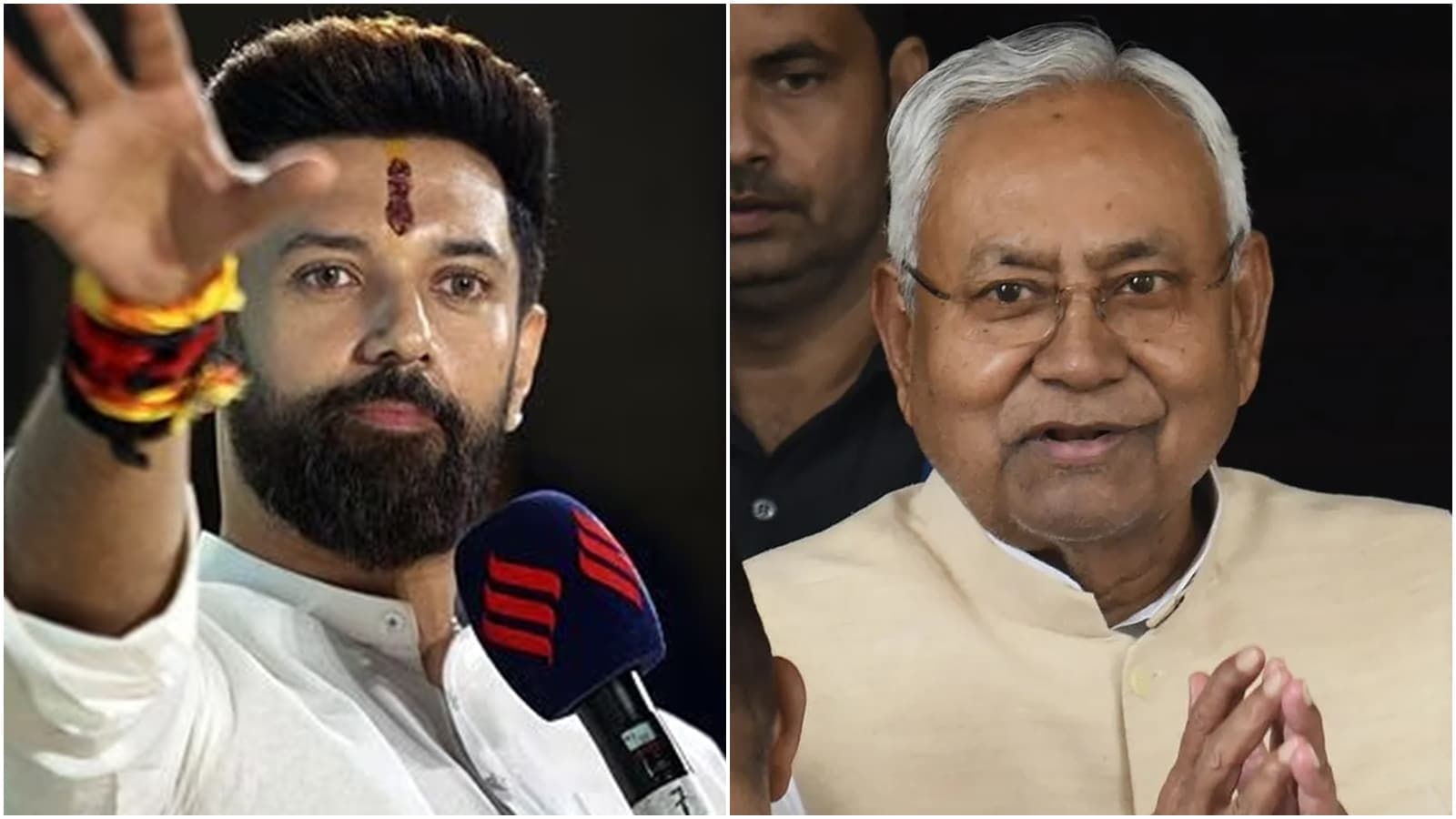
Bihar polls: JD(U), LJP(RV) donations jump via electoral trusts; content unavailable for details.
Summary
The article title suggests JD(U) and LJP(RV) saw increased donations via electoral trusts before Bihar polls. However, the content is unavailable, preventing extraction of specific figures, sources, or the precise impact on political funding transparency. This limits analysis for exam topics like electoral reforms and party financing.
Key Points
- 1The article title indicates increased donations for JD(U) ahead of Bihar polls.
- 2LJP(RV) also reportedly saw a jump in donations, according to the title.
- 3Electoral trusts were identified as the mechanism for these increased donations.
- 4The context is the upcoming or recent Bihar elections, as per the title.
- 5No specific financial figures, dates, or detailed sources are available due to missing content.
In-Depth Analysis
The article title, though lacking content, points to a crucial aspect of Indian democracy: political funding and its transparency, specifically through electoral trusts, in the context of state elections. The reported 'jump' in donations for parties like JD(U) and LJP(RV) ahead of Bihar polls, channelled via electoral trusts, opens a window into the complex world of money in politics.
**Background Context: The Quest for Transparent Funding**
Political funding in India has historically been a contentious issue, plagued by allegations of black money, lack of transparency, and quid pro quo arrangements. Prior to significant reforms, cash donations were rampant, making it difficult to trace the ultimate source of funds and fostering a culture of opacity. To address these concerns, various measures have been introduced over the years. One such significant reform came in 2013 with the introduction of the Electoral Trusts Scheme by the then UPA government. The primary objective of this scheme was to bring transparency to corporate and individual donations to political parties. Under the scheme, companies or individuals could donate to an electoral trust, which would then distribute the pooled funds to various political parties. This was intended to serve as an intermediary, making the funding process more formal and traceable compared to direct cash donations.
**What the Title Implies: Electoral Trusts in Action**
The title suggests that ahead of the Bihar polls, the Janata Dal (United) and Lok Janshakti Party (Ram Vilas) experienced a significant increase in donations, and critically, these funds were routed through electoral trusts. While the specific figures or the exact trusts involved are not detailed due to the missing article content, the implication is clear: electoral trusts are a preferred and increasingly utilized mechanism for political donations, especially in the run-up to significant elections. This indicates their growing importance in the political finance landscape, even as questions about their ultimate transparency persist.
**Key Stakeholders in the Funding Ecosystem**
Several entities play vital roles in this system. **Political Parties** (like JD(U) and LJP(RV)) are the ultimate beneficiaries of these funds, which are crucial for campaigning, organizational activities, and outreach. **Electoral Trusts** act as the intermediaries, collecting donations from various sources. Prominent trusts include Prudent Electoral Trust, AB General Electoral Trust, and others. **Donors**, primarily corporate entities and wealthy individuals, contribute to these trusts. The **Election Commission of India (ECI)**, empowered by **Article 324** of the Constitution, is the primary regulatory body overseeing elections and electoral finance, ensuring compliance with laws like the Representation of the People Act, 1951. The **Government** and **Parliament** are crucial for legislating on electoral funding, as seen with the Finance Act amendments related to political funding. Finally, **citizens and voters** are critical stakeholders, as the transparency of political funding directly impacts the integrity of their democratic choices.
**Significance for India: Democracy and Governance**
The reliance on electoral trusts for political funding has profound implications for India. On one hand, it represents a step towards formalizing donations and away from illicit cash transactions, potentially reducing the scope for black money in politics. Electoral trusts are mandated to disclose their donors and the political parties they donate to, enhancing a degree of transparency. However, concerns remain regarding the anonymity of ultimate corporate donors in some cases, and the potential for trusts to be used to obscure connections between donors and beneficiaries. This impacts the **level playing field** in elections, as parties with greater access to corporate funding may gain an undue advantage. Furthermore, the potential for **influence peddling** remains a worry; even with disclosure, large corporate donations, whether direct or via trusts, can lead to policy decisions favoring certain business interests, thereby affecting public welfare and good governance. This directly impacts the health of India's democracy, as fair and transparent elections are foundational.
**Historical Context and Legal Framework**
The journey towards electoral finance reform has been long. The **Representation of the People Act, 1951 (RPA)**, specifically **Sections 29B and 29C**, mandates political parties to declare donations above a certain threshold (currently ₹20,000). The **Income Tax Act, 1961**, provides exemptions for political party income under **Section 13A** and allows tax deductions for corporate and individual donors under **Sections 80GGB and 80GGC**, respectively. The **Companies Act, 2013**, also governs corporate donations to political parties, with Section 182 outlining rules and limits. The Electoral Trusts Scheme of 2013 was a specific policy intervention to streamline this process. Later, the introduction of electoral bonds in 2017, though recently struck down by the Supreme Court, was another attempt at reform, highlighting the continuous evolution and challenges in this domain.
**Future Implications: The Road Ahead**
The increasing prominence of electoral trusts, as suggested by the article title, indicates their continued relevance in political funding. Post the Supreme Court's verdict on electoral bonds, electoral trusts, along with direct donations (above ₹20,000 requiring disclosure), remain key avenues for political funding. This places greater scrutiny on the functioning and transparency of these trusts. There might be calls for more stringent regulations, such as reducing the anonymity period for donors, increasing the frequency of disclosures, and enhancing the ECI's oversight powers. The debate around a comprehensive electoral finance reform will continue, aiming for a system that balances the need for political parties to raise funds with the imperative of maintaining transparency, accountability, and a level playing field, crucial for the robustness of India's democratic institutions.
Exam Tips
This topic primarily falls under **GS Paper II (Polity & Governance)**, specifically electoral reforms, political parties, and governance issues. It also touches upon **GS Paper III (Indian Economy)** regarding black money, corporate funding, and economic implications of political finance.
When studying, focus on the evolution of electoral funding laws (RPA, Income Tax Act provisions), the purpose and functioning of electoral trusts, and compare them with other funding mechanisms like electoral bonds (and why they were scrapped). Understand the role of the Election Commission and judicial interventions.
Common question patterns include: 'Critically analyze the effectiveness of electoral trusts in ensuring transparency in political funding.' 'Discuss the various mechanisms of political funding in India and the challenges associated with them.' 'What are the constitutional and legal provisions governing political party funding in India?' Expect questions requiring both factual knowledge and critical analysis.