



Relevant for Exams
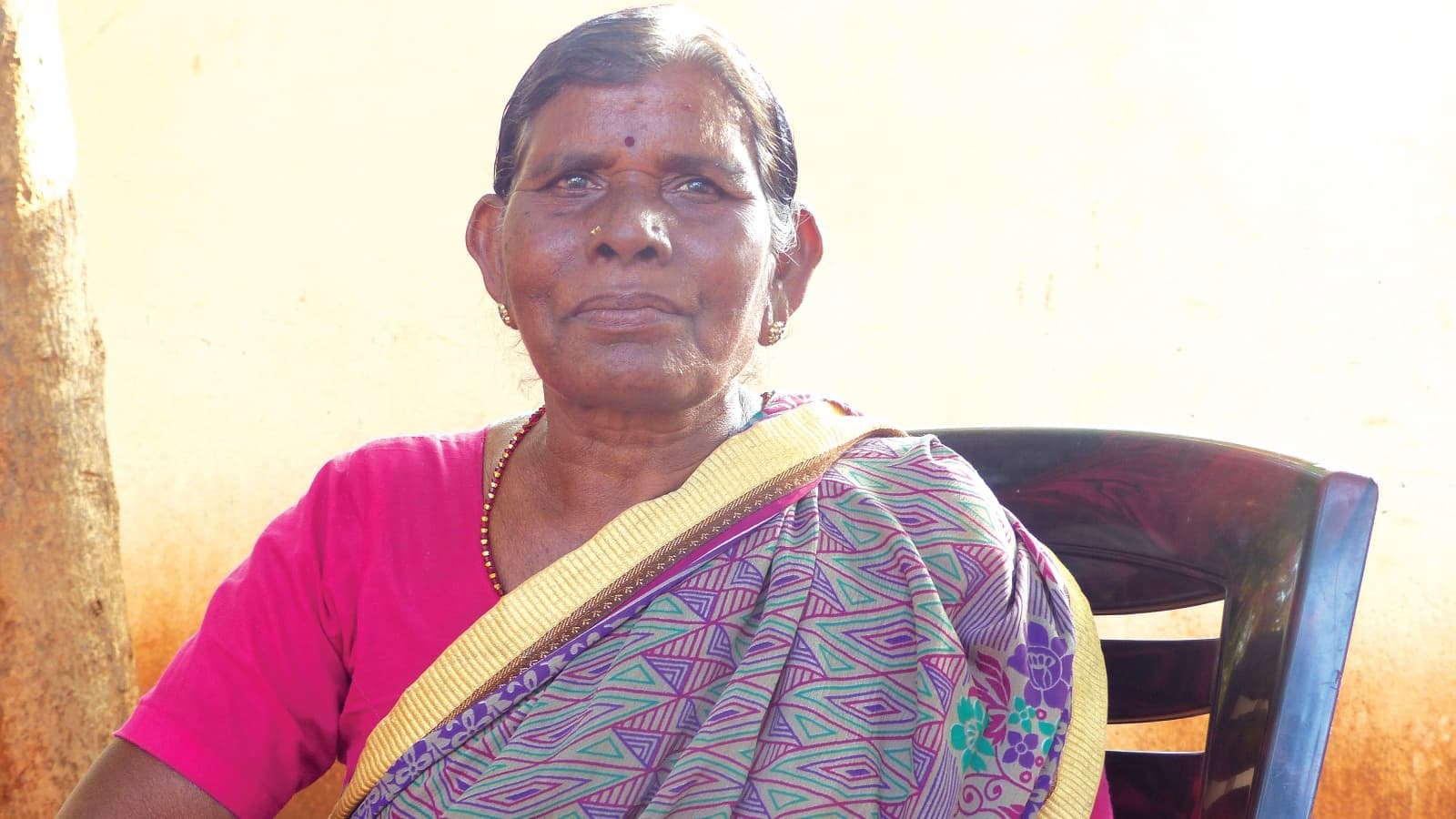
NREGS launch site in Andhra Pradesh demonstrates resilience to scheme changes, highlighting rural employment policy impact.
Summary
An article discussing the village in Andhra Pradesh, the launch site of NREGS, highlights its resilience amidst potential changes to the scheme. This is significant for competitive exams as it touches upon the implementation and impact of a major rural employment guarantee program, offering insights into its long-term effectiveness and evolution. Understanding the scheme's history, objectives, and ground-level implications is crucial for policy-related questions.
Key Points
- 1The National Rural Employment Guarantee Scheme (NREGS) was officially launched on February 2, 2006.
- 2The scheme's launch site, as mentioned in the article, is a village located in Andhra Pradesh.
- 3NREGS was later renamed the Mahatma Gandhi National Rural Employment Guarantee Act (MGNREGA) on October 2, 2009.
- 4MGNREGA guarantees 100 days of wage employment in a financial year to adult members of any rural household.
- 5The article focuses on the 'transformed' nature of the village and its limited concerns regarding potential changes to the scheme.
In-Depth Analysis
The National Rural Employment Guarantee Scheme (NREGS), launched on February 2, 2006, from the Anantapur district of Andhra Pradesh, marked a paradigm shift in India's approach to rural poverty and unemployment. This landmark initiative, later renamed the Mahatma Gandhi National Rural Employment Guarantee Act (MGNREGA) on October 2, 2009, was not merely another welfare program but a rights-based entitlement, guaranteeing 100 days of wage employment in a financial year to adult members of any rural household willing to do unskilled manual work. The article's focus on the 'transformed' nature of the launch village, despite potential changes to the scheme, offers a compelling real-world perspective on its long-term impact and resilience.
**Background Context and Genesis:** Before NREGS, India grappled with persistent rural poverty, seasonal unemployment, and distress migration. Various employment generation schemes existed, such as the Jawahar Gram Samridhi Yojana (JGSY) and Sampoorna Grameen Rozgar Yojana (SGRY), but they often suffered from leakages, lack of transparency, and limited impact due to their supply-driven nature. The idea for a rights-based employment guarantee emerged from decades of advocacy by civil society and economists, advocating for a social safety net that would empower rural poor and provide a legal guarantee for work. The UPA government, coming to power in 2004, prioritized this vision, culminating in the NREGA legislation.
**Key Stakeholders and Implementation:** MGNREGA involves multiple stakeholders. The **Central Government** frames the policy, allocates funds, and monitors implementation. **State Governments** are responsible for executing the scheme, preparing Annual Labour Budgets, and ensuring timely wage payments. **Panchayati Raj Institutions (PRIs)**, particularly Gram Panchayats, are the primary implementing agencies, responsible for identifying works, registering households, issuing job cards, and monitoring work. This decentralised approach, mandated by the 73rd Constitutional Amendment, empowers local self-governance. **Rural Households/Beneficiaries** are at the heart of the scheme, demanding work and holding authorities accountable. **Civil Society Organizations (CSOs)** play a crucial role in social audits, awareness generation, and grievance redressal, ensuring transparency and accountability.
**Significance for India:** MGNREGA has profound significance for India. Economically, it provides a crucial safety net, injecting purchasing power into rural economies, especially during lean agricultural seasons. It has been instrumental in reducing distress migration and increasing rural wages, influencing the overall wage structure. Socially, it has empowered women, who constitute over 50% of the beneficiaries, by providing them independent income and enhancing their bargaining power within households and communities. It promotes social inclusion by mandating preference for women and Scheduled Castes/Tribes. The scheme also focuses on creating durable assets like water conservation structures, rural connectivity, and irrigation canals, which contribute to long-term rural development and climate change adaptation. The 'transformed' village mentioned in the article likely reflects these multi-faceted impacts, from improved livelihoods to better infrastructure.
**Constitutional and Policy Framework:** The spirit of MGNREGA is deeply rooted in the Directive Principles of State Policy (DPSP) enshrined in Part IV of the Indian Constitution. Specifically, **Article 41** directs the State to make effective provision for securing the right to work, to education, and to public assistance in cases of unemployment, old age, sickness, and disablement. While not directly justiciable, these principles guide the State in policy formulation. Furthermore, the scheme implicitly upholds the spirit of **Article 21 (Right to Life)**, as a dignified livelihood is integral to a life of dignity. The Act itself is a testament to legislative commitment to social justice and economic democracy, leveraging the decentralised governance framework established by the **73rd Constitutional Amendment Act, 1992**, which gave constitutional status to Panchayati Raj Institutions.
**Future Implications:** The resilience of the launch village, as highlighted, suggests that MGNREGA has instilled a sense of economic security and capacity. However, the scheme faces ongoing challenges, including delays in wage payments, corruption, quality of assets created, and the need for better integration with other rural development programs. Discussions often revolve around increasing the guaranteed days of work, linking wages to inflation more effectively, and enhancing the skill component. As India navigates economic shifts and climate change, MGNREGA's role in building rural resilience and providing climate-adaptive public works (e.g., water harvesting, afforestation) will become even more critical. The scheme's future will depend on continuous evaluation, adaptive policy reforms, and robust implementation to ensure its effectiveness as a cornerstone of India's social security architecture.
Exam Tips
This topic falls under GS Paper II (Governance, Social Justice) and GS Paper III (Indian Economy, Agriculture, Inclusive Growth) for UPSC. For state PSCs, SSC, Banking, and Railways, it's crucial for General Awareness, Indian Economy, and Government Schemes sections.
Study the evolution of MGNREGA: NREGS (2006) to MGNREGA (2009). Understand its core features: 100 days of work, legal entitlement, demand-driven, wage payment within 15 days, gender parity, role of Gram Panchayats, social audits.
Common question patterns include: direct questions on the scheme's objectives, features, and impact; analytical questions on its effectiveness in poverty alleviation, women empowerment, or asset creation; challenges faced by the scheme; and its constitutional basis.
Be prepared to compare MGNREGA with other welfare schemes (e.g., PM-KISAN, National Food Security Act) in terms of objectives, target beneficiaries, and implementation mechanisms.
Focus on recent amendments or proposed changes to the scheme, as current affairs related to MGNREGA are frequently asked. Understand the financial implications and allocation trends.