



Relevant for Exams
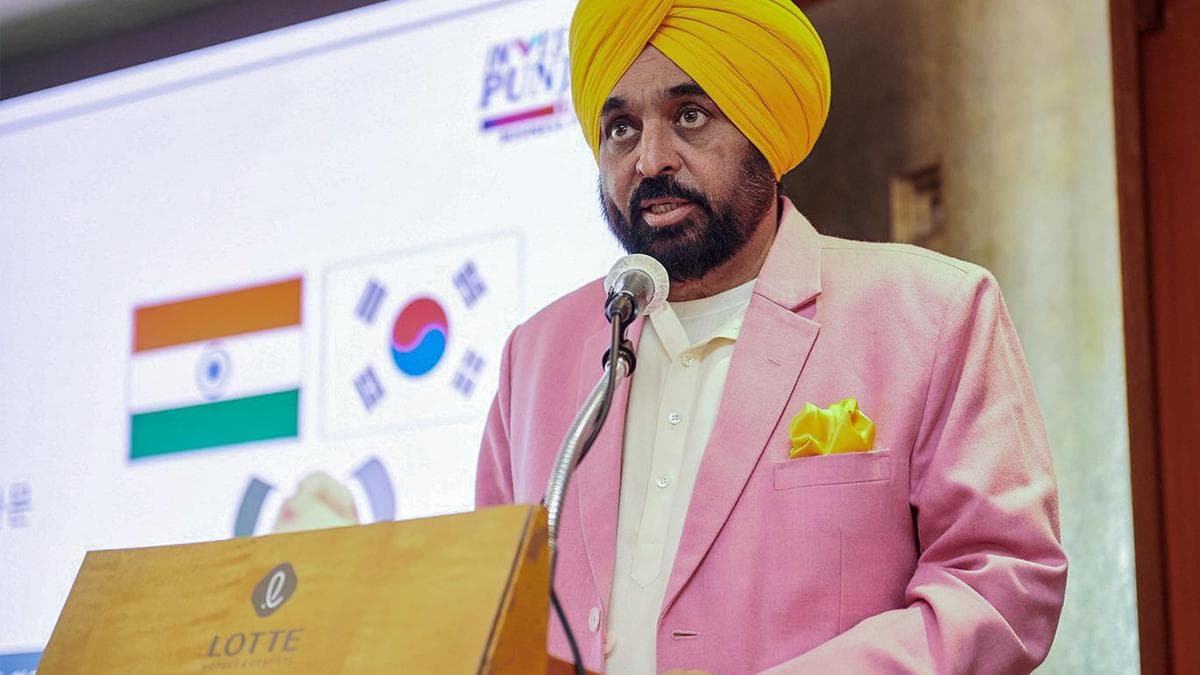
Punjab leaders urge Centre to address Nagar Kirtan disruption in New Zealand.
Summary
Punjab Chief Minister Bhagwant Mann and Shiromani Akali Dal President Sukhbir Singh Badal urged the Indian Centre to intervene with the New Zealand government regarding the alleged disruption of a Nagar Kirtan procession. This incident highlights concerns over religious freedom for the Sikh diaspora abroad and the role of the Indian government in protecting its citizens' cultural practices internationally. For competitive exams, understanding such diplomatic appeals and the significance of Sikh religious traditions like Nagar Kirtan is important.
Key Points
- 1Punjab Chief Minister Bhagwant Mann appealed to the Centre regarding the Nagar Kirtan disruption.
- 2Shiromani Akali Dal (SAD) President Sukhbir Singh Badal also urged the Centre for intervention.
- 3The issue pertains to the alleged disruption of a Nagar Kirtan procession.
- 4The incident occurred in New Zealand, prompting diplomatic intervention requests.
- 5Nagar Kirtan is a sacred religious tradition of the Sikh faith.
In-Depth Analysis
The appeal by Punjab Chief Minister Bhagwant Mann and Shiromani Akali Dal President Sukhbir Singh Badal to the Indian Centre regarding the alleged disruption of a Nagar Kirtan procession in New Zealand brings to the forefront critical aspects of international relations, diaspora welfare, and religious freedom. This incident, while seemingly localized, carries significant implications for India's foreign policy, its commitment to its citizens abroad, and the delicate balance between cultural preservation and host country regulations.
**Background Context: Understanding Nagar Kirtan and the Sikh Diaspora**
Nagar Kirtan is a central and revered religious tradition in Sikhism. It involves a street procession, often led by the Guru Granth Sahib (the holy scripture of Sikhism) carried in a palanquin or float, accompanied by devotees singing hymns (kirtan), performing Gatka (Sikh martial art), and distributing free food (langar). These processions are vibrant expressions of faith, community solidarity, and a means to spread the teachings of the Gurus. They are typically organized on auspicious occasions like Gurpurabs (birth anniversaries of Gurus) or Vaisakhi. The Sikh community, known for its entrepreneurial spirit and strong cultural identity, has a significant diaspora spread across the globe, including countries like Canada, the UK, Australia, and New Zealand. This diaspora often seeks to maintain its religious and cultural practices, including Nagar Kirtans, in their adopted homelands.
**What Happened and Key Stakeholders Involved**
The specific details of the 'disruption' in New Zealand are not fully elaborated in the provided context, but it implies an obstruction or interference with the religious procession. Such incidents can range from administrative hurdles, route disputes, or even antagonistic actions by local groups. The key stakeholders in this situation are multifaceted:
1. **The Sikh Diaspora in New Zealand:** They are the primary affected party, whose religious freedom and right to practice their faith publicly were allegedly infringed upon.
2. **Punjab Chief Minister Bhagwant Mann:** As the head of a state with a majority Sikh population, his appeal reflects the domestic political imperative to safeguard the interests and sentiments of the Sikh community, both within India and abroad. His intervention underscores the deep connection between Punjab and its diaspora.
3. **Shiromani Akali Dal (SAD) President Sukhbir Singh Badal:** SAD is a political party historically rooted in Sikh religious and political affairs. Their appeal highlights their role as custodians of Sikh interests and their political leverage in advocating for the community.
4. **The Indian Centre (Ministry of External Affairs - MEA):** The central government is responsible for India's foreign policy and the welfare of its citizens abroad. Their intervention would typically involve diplomatic engagement with the New Zealand government, seeking clarification, ensuring the safety and religious freedom of Indian-origin citizens, and advocating for cultural sensitivity.
5. **The New Zealand Government:** As the host nation, it is responsible for maintaining law and order, ensuring the rights of all its residents (including religious minorities), and addressing any grievances in accordance with its laws and international human rights commitments.
**Why This Matters for India: Significance and Broader Themes**
This incident is significant for India for several reasons:
* **Protection of Diaspora:** India has one of the largest diasporas globally, and their welfare is a critical component of India's foreign policy. The government's proactive response to such incidents reinforces its commitment to protecting the cultural and religious rights of Indian-origin citizens abroad. This builds trust and strengthens ties with the diaspora, which is a significant source of remittances, investment, and soft power.
* **Religious Freedom and Secularism:** While the incident occurred abroad, it resonates with India's constitutional commitment to religious freedom. **Article 25** of the Indian Constitution guarantees freedom of conscience and the right to freely profess, practice, and propagate religion, subject to public order, morality, and health. Though applicable domestically, India often champions these principles on the international stage, advocating for the rights of its religious minorities globally.
* **Federalism in Foreign Policy:** The appeals from a Chief Minister and a state-based political party to the Centre for an international issue illustrate the complex interplay between state-level concerns and central foreign policy. While foreign policy is an exclusive domain of the Union, state governments often voice concerns impacting their constituents abroad, influencing the Centre's diplomatic agenda.
* **Soft Power and Cultural Diplomacy:** Nagar Kirtans are a manifestation of India's rich cultural and religious diversity. Protecting these practices abroad contributes to India's soft power and cultural diplomacy efforts, showcasing its pluralistic values to the world.
**Future Implications**
Such incidents often lead to diplomatic démarches or discussions between the respective foreign ministries. The Indian government would likely engage with New Zealand authorities to understand the circumstances, ensure proper protocols for future religious processions, and prevent recurrence. This could also prompt a review of consular services and advisory mechanisms for the diaspora regarding local laws and cultural sensitivities. For the Sikh community globally, it reinforces the need for continued advocacy for their religious rights and cultural practices in diverse societies. It underscores the importance of host countries recognizing and accommodating the cultural diversity within their borders, in line with international human rights frameworks, such as **Article 18 of the Universal Declaration of Human Rights**, which affirms the right to freedom of thought, conscience, and religion.
Ultimately, this incident highlights the ongoing challenge of navigating cultural and religious diversity in a globalized world, emphasizing the need for mutual understanding, respect, and robust diplomatic channels to protect the rights of all communities.
Exam Tips
This topic falls under 'Indian Diaspora' and 'International Relations' in the UPSC Mains GS-II syllabus, and 'Indian Polity' (Fundamental Rights) for both Prelims and Mains. For SSC/State PSC, focus on general knowledge regarding Sikhism, Indian foreign policy objectives, and fundamental rights.
Study related topics like India's soft power diplomacy, the role of the Ministry of External Affairs (MEA) in diaspora welfare (e.g., Pravasi Bharatiya Divas, Indian Community Welfare Fund), and the specific provisions of Articles 25-28 of the Indian Constitution on Freedom of Religion. Also, understand the concept of federalism and how state leaders can influence foreign policy.
Common question patterns include: 'Discuss the role of the Indian government in protecting the rights of its diaspora abroad.' 'Analyze the significance of religious freedom in India's foreign policy.' 'Examine the constitutional provisions related to freedom of religion and their global implications.' 'What is the significance of Nagar Kirtan in Sikhism?'
Related Topics to Study
Full Article
Nagar Kirtan is a sacred religious tradition of Sikh faith