



Relevant for Exams
Kerala govt reports Sangh Parivar targeting Christmas celebrations in schools, raising religious freedom concerns.
Summary
Kerala's government, through Mr. Sivankutty, has reported that Christmas celebrations in the state's schools are being targeted by Hindu far-right social media groups. These groups are allegedly urging educational institutions to stop celebrations, threatening unspecified consequences. This issue raises concerns about religious freedom, secular values in education, and potential communal polarization, making it relevant for understanding social dynamics in India.
Key Points
- 1Kerala government official Mr. Sivankutty highlighted the targeting of Christmas celebrations.
- 2The alleged targeting is occurring specifically in educational institutions across Kerala.
- 3Hindu far-right social media groups, identified with the Sangh Parivar, are accused of the actions.
- 4These groups are reportedly urging schools in Kerala to desist from Christmas celebrations.
- 5Threats of unspecified consequences have been issued against non-compliant educational institutions.
In-Depth Analysis
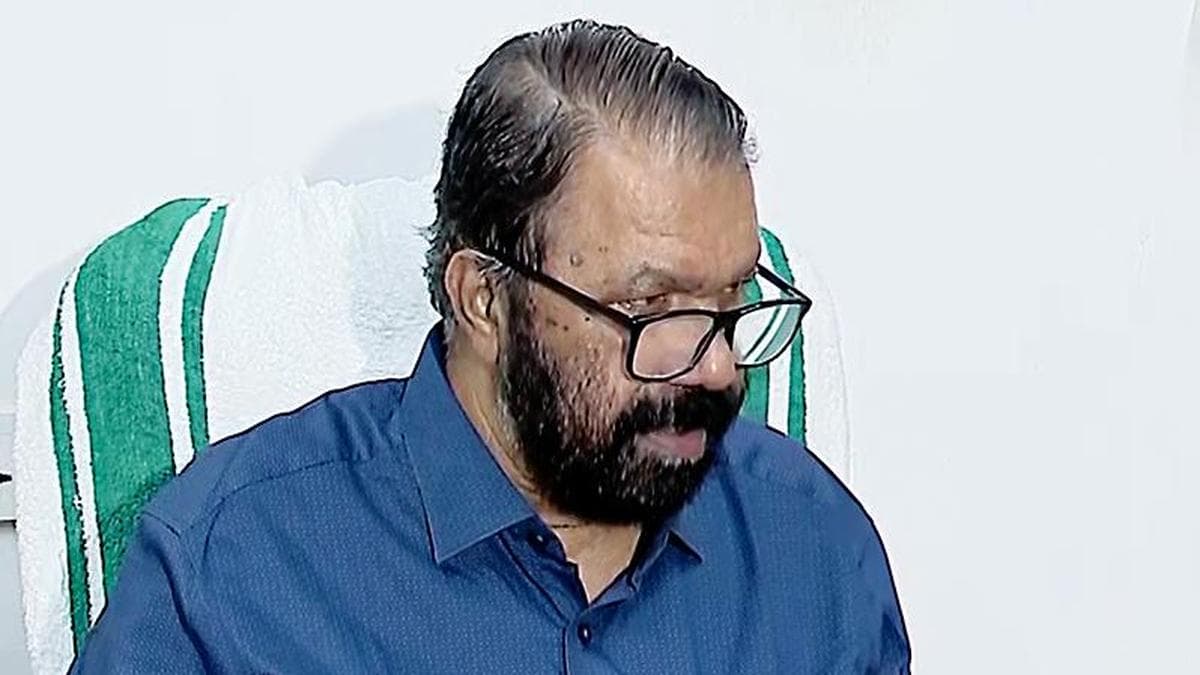
The recent statement by Kerala's Minister for General Education, Mr. V. Sivankutty, regarding Hindu far-right groups targeting Christmas celebrations in educational institutions, brings to the fore critical questions about India's secular fabric, religious freedom, and the role of schools in fostering an inclusive society. This incident, while specific to Kerala, resonates with broader national debates on communal harmony and minority rights.
**Background Context:** India, a land of immense diversity, is constitutionally a secular republic, a principle enshrined in the Preamble of its Constitution since the 42nd Amendment in 1976. Religious pluralism is a hallmark of Indian society, with festivals from various faiths being celebrated across regions, often transcending community lines. Christmas, historically observed by the Christian community, has also become a cultural celebration in many parts of India, particularly in schools, where children of all faiths participate. Kerala, known for its high literacy rates and unique socio-cultural milieu, has a significant Christian population, alongside Hindus and Muslims, and has generally maintained a strong tradition of communal harmony. However, in recent years, there has been a noticeable rise in assertions by Hindu nationalist groups (often referred to as the Sangh Parivar) seeking to redefine India's secular identity, sometimes through cultural policing and attempts to curb non-Hindu religious practices or conversions.
**What Happened:** As per Mr. Sivankutty's statement, Hindu far-right social media groups have been actively urging educational institutions in Kerala to refrain from celebrating Christmas. These exhortations reportedly include veiled threats of "unspecified consequences" for non-compliant schools. This online targeting represents an attempt to impose a particular cultural ideology on educational spaces, potentially disrupting traditional inter-faith celebrations and creating an environment of fear.
**Key Stakeholders Involved:**
* **Kerala Government (represented by Mr. Sivankutty):** As the state authority, its primary role is to uphold the constitutional principles of secularism and protect the fundamental rights of all citizens, including religious minorities. By highlighting the issue, the government is signaling its commitment to defending religious freedom and communal harmony.
* **Educational Institutions (schools in Kerala):** These institutions are at the frontline, responsible for creating a safe and inclusive learning environment. They must balance academic responsibilities with fostering social values and adhering to state directives, while potentially facing pressure from external groups.
* **Christian Community:** Their right to practice and celebrate their religion freely is directly impacted. This incident raises concerns about the erosion of their cultural space and potential marginalization.
* **Hindu Far-Right Social Media Groups (identified with Sangh Parivar):** These groups are the alleged instigators, using digital platforms to propagate their ideology. Their motivations often stem from a desire to establish a 'Hindu Rashtra' (Hindu nation) and cultural uniformity, perceiving non-Hindu festivals or practices as a threat to this vision. Their actions border on hate speech and incitement.
* **Students and Parents:** The most vulnerable stakeholders, as children's exposure to diverse cultures and their sense of belonging in school can be negatively affected. Parents are concerned about the safety and inclusive nature of their children's educational environment.
**Significance for India:** This incident has profound significance for India's constitutional democracy. Firstly, it directly challenges the principle of **secularism** enshrined in the Preamble and articulated through various Fundamental Rights. Article 25 guarantees the freedom of conscience and the right to freely profess, practice, and propagate religion. Article 28 specifically deals with freedom as to attendance at religious instruction or religious worship in certain educational institutions, stating that no religious instruction shall be provided in any educational institution wholly maintained out of State funds. While Christmas celebrations are often cultural rather than purely religious instruction, attempts to ban them in private or aided schools could be seen as an infringement on the spirit of religious freedom. Article 29 and 30 protect the cultural and educational rights of minorities. Secondly, such actions contribute to **communal polarization**, sowing discord among communities and undermining social cohesion. This can have long-term implications for law and order, public trust, and the overall stability of the nation. Thirdly, it highlights the growing challenge of **online extremism and misinformation**, where social media platforms are leveraged to spread divisive narratives and incite fear. Finally, it underscores the role of the **education system** as a battleground for ideological contests, where the values of tolerance, diversity, and inclusivity must be actively protected.
**Future Implications:** The Kerala government's stance suggests a pushback against such attempts at cultural imposition. The future might see increased vigilance from state governments to protect minority rights and maintain communal harmony, potentially leading to stronger legal actions against those promoting hate speech or issuing threats. There could also be a broader debate on regulating social media to curb the spread of extremist views. Conversely, if such actions are not effectively countered, they could embolden similar groups in other states, leading to further erosion of India's pluralistic traditions and increased tensions in educational settings. The judiciary might also be called upon to intervene, reiterating constitutional protections for religious and cultural freedoms.
This incident serves as a crucial reminder of the ongoing challenges to India's secular ethos and the imperative for both state and civil society to actively safeguard the constitutional promise of equality and freedom for all faiths.
Exam Tips
This topic falls under GS Paper I (Indian Society - Communalism, Secularism) and GS Paper II (Indian Polity - Fundamental Rights, Preamble, Minority Rights, Governance).
Prepare comprehensive notes on Articles 25-30 of the Indian Constitution, the concept of 'positive secularism' vs. 'negative secularism', and the various challenges faced by secularism in India. Also, study the role of social media in public discourse and its regulation.
Expect questions requiring analytical skills: 'Critically analyze the challenges to India's secular fabric in contemporary times.' 'Discuss the constitutional provisions safeguarding religious freedom in India. Are they sufficient?' 'Examine the role of educational institutions in fostering communal harmony.'
Be prepared for essay questions on topics like 'Secularism in India: A Myth or Reality?' or 'The impact of social media on communal relations in India'.
Understand the difference between religious instruction and cultural celebrations in schools, especially in the context of Article 28.
Related Topics to Study
Full Article
Mr Sivankutty noted that Hindu far-right social media groups targeted Christians by urging educational institutions to desist from celebrating Christmas or face unspecified consequences