



Relevant for Exams
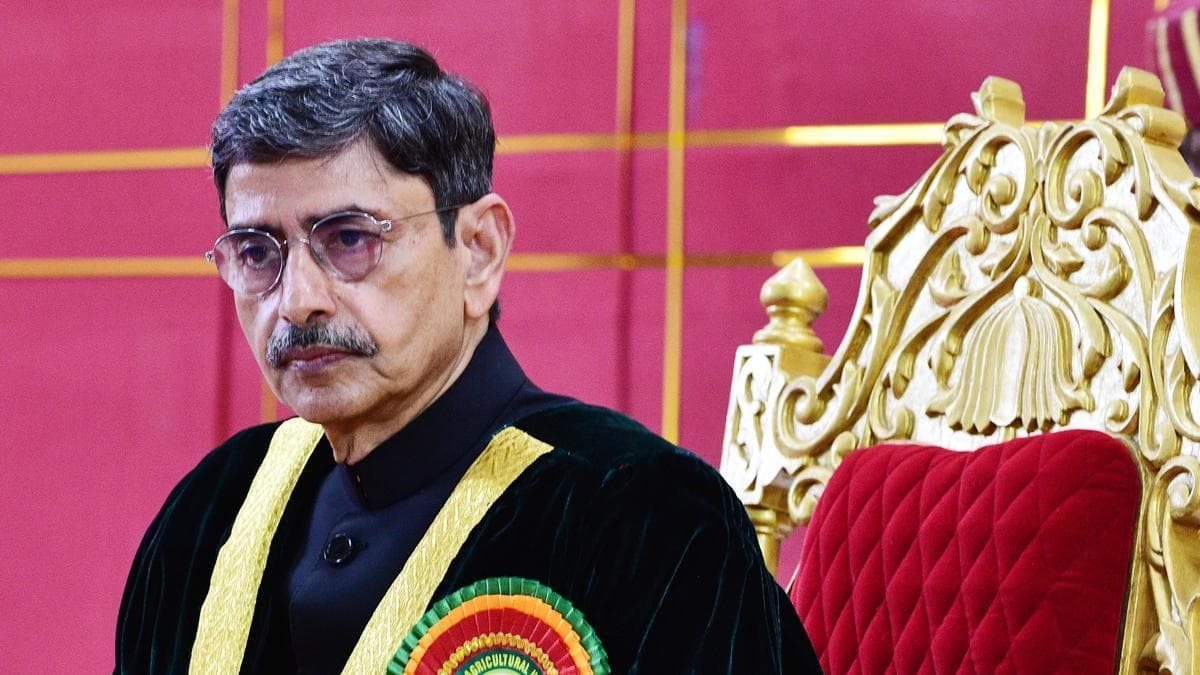
T.N. Governor R.N. Ravi: India shared COVID-19 vaccines with 150 nations before own full vaccination.
Summary
Tamil Nadu Governor R.N. Ravi highlighted India's global humanitarian efforts during the COVID-19 pandemic, stating that India shared vaccines with 150 countries even before fully vaccinating its own population. This emphasizes India's commitment to international cooperation and its 'revival mode' through fundamental vows, making it a crucial point for competitive exams on India's foreign policy and global health contributions.
Key Points
- 1The statement was made by Tamil Nadu (T.N.) Governor R.N. Ravi.
- 2Governor Ravi highlighted India's action of sharing vaccines with 150 countries.
- 3This significant vaccine distribution occurred during the COVID-19 pandemic.
- 4Notably, India shared vaccines globally even before fully vaccinating its own population.
- 5Ravi stated this reflects 'Bharat' transitioning from survival to revival mode through allegiance to fundamental vows.
In-Depth Analysis
Tamil Nadu Governor R.N. Ravi's statement highlighting India's humanitarian efforts during the COVID-19 pandemic, specifically the distribution of vaccines to 150 countries even before fully vaccinating its own population, underscores a pivotal moment in India's modern foreign policy and its commitment to global well-being. This act, termed 'Vaccine Maitri' (Vaccine Friendship), propelled India onto the global stage not merely as a recipient of aid, but as a responsible global provider and a leader in health diplomacy.
The background context for this initiative is rooted in India's unique position as the 'pharmacy of the world'. With its robust pharmaceutical manufacturing capabilities, particularly in vaccine production, India was uniquely placed to contribute significantly to the global fight against COVID-19. Companies like the Serum Institute of India (SII), the world's largest vaccine manufacturer by volume, and Bharat Biotech, which developed India's indigenous Covaxin, became crucial players. When the pandemic struck in early 2020, the world faced an unprecedented health crisis, and the rapid development and equitable distribution of vaccines became a global priority. India, despite its own massive population and the daunting challenge of vaccinating its citizens, chose to extend a helping hand, embodying the ancient Indian ethos of 'Vasudhaiva Kutumbakam' (the world is one family).
What happened was a strategic and humanitarian outreach launched in January 2021. India began supplying COVID-19 vaccines to various countries through grants, commercial contracts, and as part of the COVAX facility (a global initiative aimed at equitable access to COVID-19 vaccines led by Gavi, the Vaccine Alliance, the Coalition for Epidemic Preparedness Innovations – CEPI, and the World Health Organization – WHO). This included neighbours in South Asia, countries in Africa, Latin America, and island nations, demonstrating a wide geographical reach. The critical aspect highlighted by Governor Ravi is that this extensive global sharing occurred even as India was in the initial phases of its own domestic vaccination drive, showcasing a profound commitment to global solidarity over immediate national self-interest.
Key stakeholders involved in this monumental effort included the Government of India, primarily through the Ministry of External Affairs (MEA) and the Ministry of Health & Family Welfare, which coordinated the diplomatic and logistical aspects. Indian pharmaceutical giants like SII and Bharat Biotech were instrumental in manufacturing the vaccines at scale. Internationally, organizations such as the WHO and COVAX played a crucial role in facilitating equitable distribution and ensuring that vaccines reached vulnerable populations worldwide. The recipient nations, from Bangladesh and Nepal to Brazil and the UK, were direct beneficiaries, solidifying bilateral ties and multilateral cooperation.
This initiative matters for India on multiple fronts. Politically, 'Vaccine Maitri' significantly enhanced India's soft power and global standing. It projected India as a benevolent and responsible global actor, capable of leading humanitarian efforts and contributing to global public goods. This move helped counter narratives that might portray India as inward-looking and strengthened its position in multilateral forums. Economically, it showcased the prowess of India's pharmaceutical industry, boosting its reputation as a reliable global supplier and potentially paving the way for future collaborations and export opportunities. Socially, it instilled a sense of national pride and demonstrated India's commitment to its 'fundamental vows' of shared prosperity and global welfare, aligning with Governor Ravi's statement about transitioning from 'survival to revival mode'.
Historically, India has a tradition of humanitarian assistance and a foreign policy rooted in non-alignment and cooperation. This vaccine diplomacy is a modern manifestation of these principles. Constitutionally, such actions align with the spirit of Article 51 of the Indian Constitution, which is a Directive Principle of State Policy. Article 51 mandates the State to "endeavour to promote international peace and security, maintain just and honourable relations between nations, foster respect for international law and treaty obligations, and encourage settlement of international disputes by arbitration." While not directly a foreign policy article, it provides the foundational ethos for India's engagement in global cooperation and humanitarian actions, ensuring that India's foreign policy is guided by principles of justice, peace, and international collaboration.
The future implications of 'Vaccine Maitri' are substantial. It has solidified India's position as a critical player in global health governance and security. In an increasingly interconnected world, where health crises can have devastating global impacts, India's role as a reliable vaccine supplier and a partner in health R&D will only grow. It sets a precedent for India's response to future global challenges, potentially leading to deeper strategic partnerships in areas like disaster management, climate change, and sustainable development. Furthermore, it reinforces the 'Made in India' brand on a global scale, attracting investments and fostering technological advancements in critical sectors. This initiative serves as a powerful testament to India's growing influence and its commitment to a cooperative and equitable world order.
Exam Tips
This topic falls under UPSC GS Paper II (International Relations & Foreign Policy, Health) and GS Paper III (Science & Technology, Indian Economy - Pharmaceutical Sector). For State PSCs and SSC, it's relevant for General Awareness sections on India's foreign policy, international organizations, and current affairs.
Study related topics such as India's 'Soft Power' diplomacy, the role of international organizations like WHO and COVAX, India's pharmaceutical industry and its contribution to the global economy, and the concept of global health security. Understand the objectives behind India's foreign policy initiatives.
Common question patterns include: (Mains) 'Critically analyze the significance of India's 'Vaccine Maitri' initiative for its foreign policy objectives and global standing.' 'Discuss India's role as a global pharmaceutical hub, especially in the context of the COVID-19 pandemic.' (Prelims) Questions on the launch date of 'Vaccine Maitri', the number of countries supplied, names of key vaccines, and associated international bodies (e.g., COVAX, WHO).
Related Topics to Study
Full Article
Governor R.N. Ravi said during the pandemic, India shared vaccines with 150 countries before fully vaccinating its own population