



Relevant for Exams
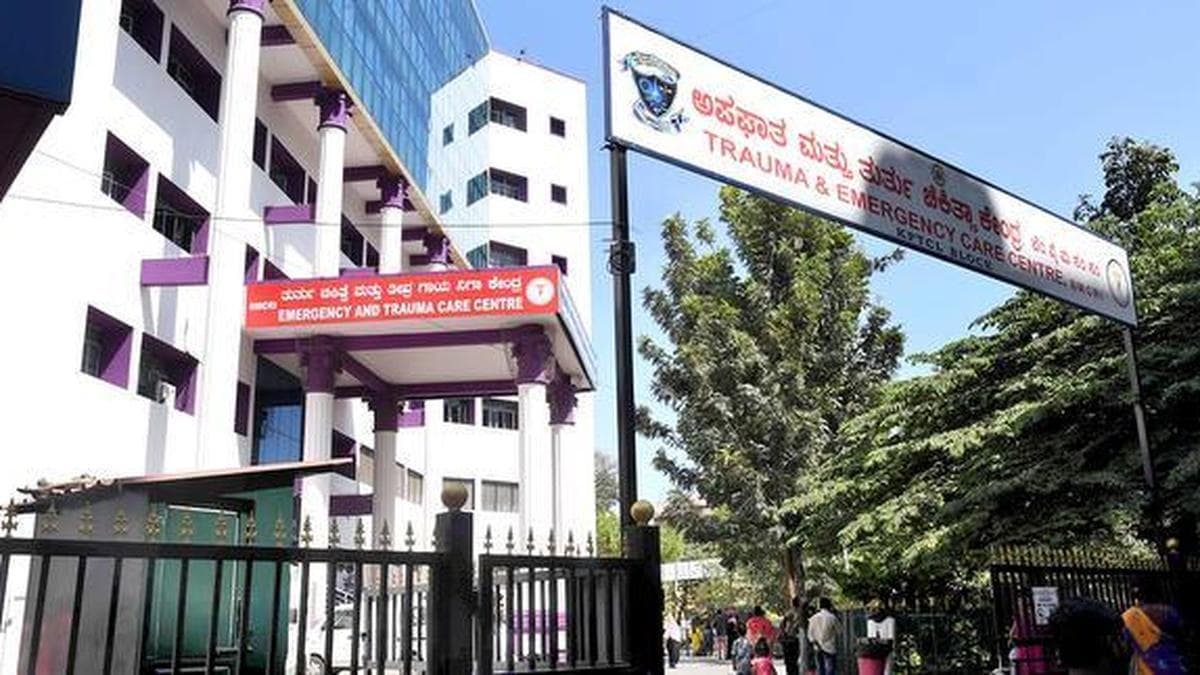
CAG flags disaster preparedness gaps in State hospitals; specific report details unavailable.
Summary
The news title indicates the Comptroller and Auditor General (CAG) has identified significant gaps in disaster preparedness within State hospitals. While specific details of the report are unavailable due to lack of content, this finding is crucial for understanding the accountability of public health infrastructure. It underscores the importance of robust disaster management and the CAG's role for competitive exam preparation.
Key Points
- 1The news indicates the Comptroller and Auditor General (CAG) of India identified shortcomings.
- 2The focus of the CAG's audit was 'disaster preparedness' in 'State hospitals' across states.
- 3Specific details of the CAG report, such as states involved or exact findings, are not provided in the article content.
- 4The role of the CAG (under Article 148 of the Indian Constitution) in auditing government bodies is crucial for accountability.
- 5Disaster management and public health infrastructure are significant topics for competitive exams, particularly UPSC and State PSC.
In-Depth Analysis
The Comptroller and Auditor General (CAG) flagging gaps in disaster preparedness in State hospitals is a critical revelation that underscores systemic vulnerabilities within India's public health infrastructure. This finding, while specific details are awaited, points to a broader challenge in governance and public service delivery, especially pertinent for a disaster-prone nation like India. Understanding this issue requires delving into its background, the roles of key stakeholders, its significance for India, the historical context of disaster management, future implications, and relevant constitutional provisions.
India is geographically diverse, making it vulnerable to a multitude of natural and man-made disasters, including floods, droughts, cyclones, earthquakes, landslides, and pandemics. The recent COVID-19 pandemic starkly exposed the existing chinks in the armour of our public health system, highlighting the urgent need for robust preparedness and response mechanisms. Hospitals, especially state-run facilities, are the first line of defence during any large-scale crisis, responsible for triage, emergency medical care, and managing casualties. Therefore, any shortcomings in their disaster preparedness can have catastrophic consequences, leading to increased mortality, morbidity, and overwhelming of healthcare resources.
The CAG, established under Article 148 of the Indian Constitution, is the supreme audit institution of India and the guardian of the public purse. Its primary role is to audit all receipts and expenditure of the Government of India and state governments, including autonomous bodies substantially financed by the government. By auditing disaster preparedness in state hospitals, the CAG exercises its mandate to ensure accountability, efficiency, and effectiveness in public spending and program implementation. This audit likely involved assessing various parameters such as availability of emergency medical supplies, trained personnel, functional equipment, disaster management plans, communication protocols, and infrastructure resilience.
Key stakeholders involved in this issue include the CAG, which initiates and conducts the audit, bringing deficiencies to light. State Governments, particularly their Health Departments, are directly responsible for the functioning and preparedness of state hospitals. They are tasked with allocating resources, developing policies, and implementing disaster management plans at the ground level. The National Disaster Management Authority (NDMA) and State Disaster Management Authorities (SDMAs), established under the Disaster Management Act, 2005, play a crucial role in formulating national and state-level guidelines, policies, and plans for disaster management, including health sector preparedness. The Union Ministry of Health and Family Welfare also provides overarching policy direction and financial support. Ultimately, the public, as beneficiaries of these services, are the most significant stakeholders, whose lives and well-being depend on effective disaster preparedness.
This finding holds immense significance for India. Firstly, it directly impacts public health outcomes. Inadequate preparedness means more lives lost, greater suffering, and potential for long-term health crises. Secondly, it highlights critical gaps in governance and accountability. If state hospitals, which receive significant public funding, are found lacking, it reflects poorly on the efficiency and oversight mechanisms of state administrations. Thirdly, there's a significant economic impact; poorly managed disasters lead to higher recovery costs and long-term economic disruption. A resilient health system can mitigate these financial burdens. Finally, it touches upon social justice, as vulnerable populations often bear the brunt of disasters and rely heavily on public health facilities. Ensuring their access to timely and effective care is a matter of equity.
Historically, India's approach to disaster management evolved significantly after major events like the 1999 Odisha Super Cyclone and the 2004 Indian Ocean Tsunami. These disasters prompted a shift from a reactive, relief-centric approach to a proactive, holistic, and multi-hazard approach, culminating in the enactment of the Disaster Management Act, 2005. This Act provided the legal and institutional framework for disaster management in India, establishing NDMA, SDMAs, and District Disaster Management Authorities (DDMAs). Despite this framework, the CAG's report indicates persistent implementation gaps, particularly at the grassroots level of public health infrastructure. The National Health Policy, 2017, also emphasizes strengthening healthcare systems, which implicitly includes disaster preparedness.
The future implications of this CAG report are profound. It will likely trigger a demand for greater transparency and accountability from state governments regarding their disaster preparedness strategies and spending. There could be calls for increased budgetary allocations, targeted capacity building, and stricter adherence to national guidelines for health sector disaster management. The report could also lead to policy reforms, emphasizing the integration of disaster resilience into hospital planning and infrastructure development. Furthermore, it reinforces the crucial role of independent audit bodies like the CAG in strengthening democratic governance and ensuring that public funds are utilized effectively for the welfare of citizens. Learning from past experiences, particularly the COVID-19 pandemic, future strategies must focus on building resilient, adaptable, and equitable health systems capable of responding to evolving threats.
Constitutionally, the CAG's powers are enshrined in Articles 148 to 151. Public Health and Hospitals fall under the State List (Entry 6) of the Seventh Schedule, giving states primary responsibility, while Disaster Management is a subject on the Concurrent List (Entry 23 of List III), allowing both the Centre and states to legislate. This concurrent nature necessitates close coordination, which the CAG's report implicitly suggests might be lacking in effective implementation at the state level.
Exam Tips
This topic falls under GS Paper II (Governance, Polity, Social Justice) and GS Paper III (Disaster Management, Internal Security) for UPSC CSE. For State PSCs, it's relevant for General Studies papers on Polity, Governance, and Disaster Management.
Study the constitutional provisions related to the CAG (Articles 148-151) in detail, including its role, functions, and independence. Also, thoroughly understand the Disaster Management Act, 2005, and the institutional framework (NDMA, SDMA, DDMA) it establishes.
Common question patterns include direct questions on the powers and functions of the CAG, analytical questions on the challenges in disaster management in India, the role of public health during disasters, and the interplay between central and state governments in policy implementation and accountability. Essay topics may also touch upon governance, accountability, and disaster preparedness.
Connect this issue with current events, especially the lessons learned from the COVID-19 pandemic regarding health infrastructure and emergency response. Be prepared to discuss policy recommendations and reforms.
Practice writing answers that integrate constitutional articles, relevant acts, and policy references to demonstrate a comprehensive understanding of the topic.