



Relevant for Exams
Indian researchers find rewiring macrophage metabolism via glycolysis can shorten TB treatments.
Summary
Indian researchers have discovered that macrophage metabolism significantly influences the Mycobacterium tuberculosis bacterium's tolerance to drugs. By manipulating infected immune cells to utilize glycolysis for energy, they successfully made the bacteria more susceptible to treatment. This breakthrough holds potential to dramatically shorten the duration of tuberculosis treatments, which is crucial for public health and combating drug resistance.
Key Points
- 1Indian researchers reported a significant finding regarding Tuberculosis (TB) treatment.
- 2Their research indicates that macrophage metabolism directly shapes the TB bacterium's tolerance to drugs.
- 3By pushing infected immune cells to generate energy using glycolysis, they altered the cellular environment.
- 4This metabolic shift successfully rendered the Mycobacterium tuberculosis bacteria more vulnerable to existing drugs.
- 5The discovery has the potential to lead to shorter and more effective treatment regimens for Tuberculosis.
In-Depth Analysis
Tuberculosis (TB), caused by the bacterium *Mycobacterium tuberculosis*, remains one of the deadliest infectious diseases globally, and India bears the highest burden, accounting for approximately 26% of the world's TB cases. The current treatment regimen for drug-sensitive TB is prolonged, typically lasting 6-9 months, involving a cocktail of potent antibiotics. This extended duration often leads to poor patient adherence, which is a significant factor contributing to the development of drug-resistant strains like Multi-Drug Resistant TB (MDR-TB) and Extensively Drug-Resistant TB (XDR-TB), making treatment even more challenging, costly, and lengthy.
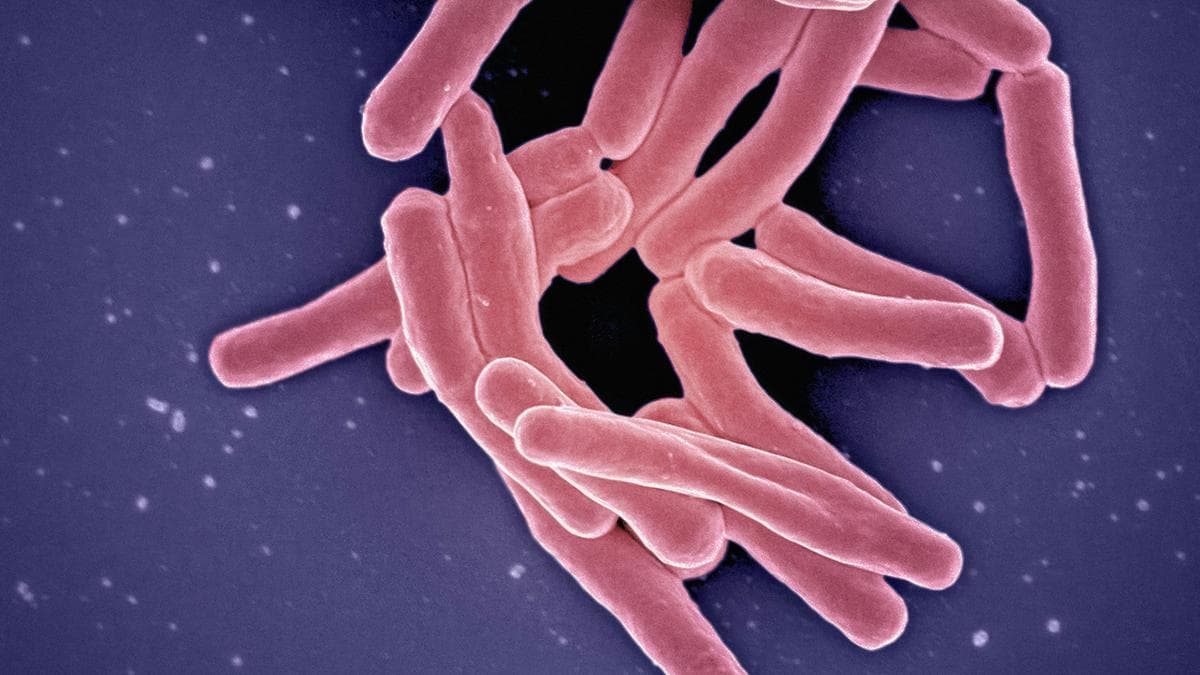
Against this grim backdrop, Indian researchers have made a groundbreaking discovery that could revolutionize TB treatment. Their study revealed a critical link between the metabolism of macrophages—the immune cells that host the TB bacteria—and the bacteria's tolerance to existing drugs. *Mycobacterium tuberculosis* has evolved sophisticated mechanisms to survive and replicate within macrophages, often manipulating the host cell's environment to its advantage. The research found that by pushing these infected macrophages to generate energy primarily through glycolysis, a metabolic pathway, the bacteria became significantly more vulnerable to anti-TB drugs. This essentially means altering the host cell's energy processing pathway can make the 'hiding' bacteria easier to kill, offering a novel therapeutic target.
Historically, India has been at the forefront of the global fight against TB, albeit with immense challenges. The Revised National Tuberculosis Control Programme (RNTCP), launched in 1997 and later renamed the National Tuberculosis Elimination Programme (NTEP) in 2020, has been instrumental in diagnosing and treating millions. India has set an ambitious target to eliminate TB by 2025, five years ahead of the Sustainable Development Goal (SDG 3) target of 2030. However, achieving this requires continuous innovation and more effective treatment strategies, especially against drug-resistant forms.
Key stakeholders in this research and its potential impact include the Indian researchers and their institutions, who are the primary drivers of this scientific advancement. The Indian Council of Medical Research (ICMR) plays a crucial role in funding and coordinating such biomedical research, aligning with national health priorities. The Ministry of Health & Family Welfare, responsible for public health policy and implementation of programs like NTEP, will be central to translating these findings into clinical practice. International bodies like the World Health Organization (WHO) will also monitor and potentially integrate these findings into global treatment guidelines. Pharmaceutical companies will be key partners in developing and manufacturing new drugs or adjunct therapies based on this understanding. Ultimately, TB patients across India and the world stand to be the biggest beneficiaries.
This discovery holds immense significance for India. With the world's highest TB burden, a shorter, more effective treatment regimen could dramatically improve patient outcomes, reduce treatment costs, and critically, curb the spread of drug-resistant TB. Economically, a healthier workforce translates to increased productivity and reduced healthcare expenditure. Socially, it alleviates the immense suffering and poverty often associated with prolonged illness. Constitutionally, this aligns with the spirit of Article 21, the Right to Life, which implicitly includes the right to health, and Article 47, a Directive Principle of State Policy, which mandates the State to improve public health. The National Health Policy 2017 also emphasizes research and innovation in addressing communicable diseases.
Looking ahead, this research opens doors for developing 'host-directed therapies' (HDTs) that target the host's immune response rather than directly attacking the bacteria. By manipulating macrophage metabolism, new adjunct therapies could be designed to be used alongside existing antibiotics, potentially shortening treatment durations and improving efficacy. Shorter treatments mean better patient compliance, which is a cornerstone for successful TB elimination, reducing transmission rates, and preventing the emergence of more drug-resistant strains. This breakthrough reinforces India's position as a significant contributor to global health research and offers a beacon of hope in the ongoing battle against a persistent global health challenge, contributing directly to the nation's ambitious TB elimination target and the broader global health agenda.
Exam Tips
This topic falls under the 'General Science (Biology)', 'Science & Technology (Developments in Health)', and 'Current Affairs (National Importance)' sections of competitive exam syllabi. Focus on understanding the biological mechanisms (macrophages, glycolysis) and their implications.
Study related topics such as the structure and function of the immune system, different metabolic pathways, the mechanisms of drug resistance (Antimicrobial Resistance - AMR), and other major infectious diseases prevalent in India (e.g., Malaria, Dengue, HIV).
For Prelims (MCQ), expect questions on specific facts: the name of the bacterium (*Mycobacterium tuberculosis*), the immune cells involved (macrophages), the metabolic pathway (glycolysis), and India's TB elimination target year (2025). For Mains (Descriptive), be prepared to analyze the significance of such research for India's public health, challenges in TB elimination, and policy implications.
Understand the constitutional provisions like Article 21 (Right to Life) and Article 47 (DPSP - Public Health) in the context of government efforts and research in healthcare. Also, know about major government health initiatives like the National Tuberculosis Elimination Programme (NTEP) and their goals.
Practice writing answers that connect scientific breakthroughs to broader themes of public health governance, economic development, and sustainable development goals (especially SDG 3: Good Health and Well-being).
Related Topics to Study
Full Article
Indian researchers have reported that macrophage metabolism shapes the tolerance of the TB bacterium to drugs; by pushing infected immune cells to generate energy using glycolysis, they were able to render bacteria more vulnerable