



Relevant for Exams
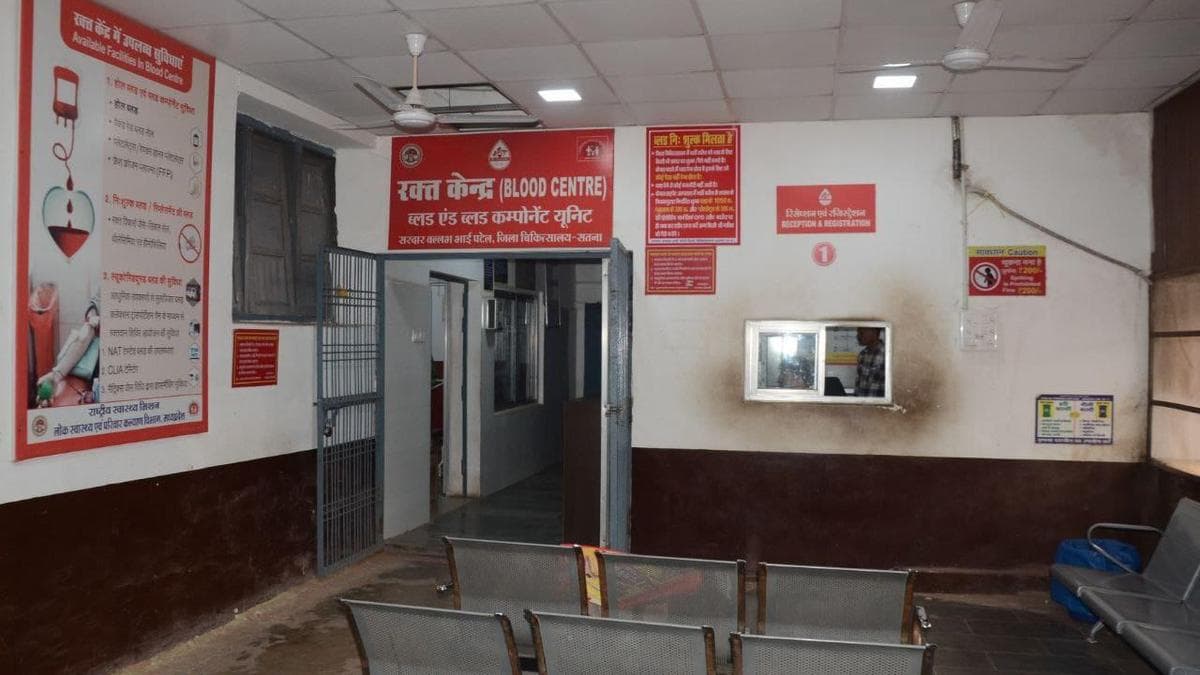
MP suspends 3, including blood bank in-charge, after children test HIV positive from infected blood in Satna.
Summary
The Madhya Pradesh government suspended three officials, including a blood bank in-charge in Satna, following a preliminary report on infected blood transfusions that led to children testing HIV positive. This incident highlights critical issues of public health, medical negligence, and accountability within healthcare systems. For competitive exams, it's relevant for questions on governance, public health, and state-specific current affairs.
Key Points
- 1The incident of infected blood transfusion occurred in Satna district, Madhya Pradesh.
- 2Children tested HIV positive after receiving infected blood transfusions.
- 3The Madhya Pradesh government suspended three individuals in connection with the case.
- 4One of the suspended officials was the blood bank in-charge.
- 5The action was taken based on the preliminary report of an investigation committee.
In-Depth Analysis
The tragic incident in Satna, Madhya Pradesh, where children tested HIV positive following infected blood transfusions, has cast a harsh spotlight on the critical issue of blood safety and accountability within India's healthcare system. This event, leading to the suspension of three officials including the blood bank in-charge, is not merely an isolated case of negligence but symptomatic of deeper systemic vulnerabilities that demand immediate and comprehensive attention.
**Background Context and What Happened:**
Blood transfusions are life-saving medical procedures, yet their efficacy hinges entirely on the safety and purity of the donated blood. In Satna, the preliminary report of an investigation committee confirmed that infected blood was transfused, resulting in vulnerable children contracting HIV. This points to a catastrophic failure in the standard protocols that govern blood banks. Typically, donated blood undergoes rigorous screening for various infections, including HIV, Hepatitis B, Hepatitis C, Syphilis, and Malaria, using advanced testing methods. The fact that infected blood bypassed these checks suggests either a severe lapse in procedure, faulty equipment, untrained personnel, or a deliberate oversight. The Madhya Pradesh government's swift action, suspending the blood bank in-charge and two other officials, demonstrates an initial commitment to accountability, but the underlying causes need thorough investigation to prevent recurrence.
**Key Stakeholders Involved:**
At the heart of this tragedy are the **victims** – the children and their families, who face a life-altering diagnosis due to medical negligence. Their future health, emotional well-being, and financial stability are severely compromised. The **Madhya Pradesh Government** is a primary stakeholder, responsible for public health, governance, and ensuring the safety and quality of healthcare services within its jurisdiction. Their response involves investigation, punitive action, and potentially policy reforms. **Healthcare professionals** directly involved, including the blood bank staff, doctors, and nurses, are crucial stakeholders whose adherence to protocols is paramount. **Regulatory bodies** like the National Blood Transfusion Council (NBTC), State Blood Transfusion Councils (SBTCs), and the Drugs Controller General of India (DCGI) are responsible for setting and enforcing standards for blood banks under the **Drugs and Cosmetics Act, 1940**, and its associated rules. Lastly, **civil society organizations and media** play a vital role in bringing such incidents to light, advocating for victims, and pushing for systemic reforms.
**Significance for India & Broader Themes:**
This incident carries profound significance for India. Firstly, it highlights a critical **public health challenge**. India has a significant burden of HIV/AIDS, and such incidents undermine decades of efforts by organizations like the National AIDS Control Organisation (NACO) to curb its spread. Secondly, it underscores the persistent issue of **medical negligence and accountability** in the healthcare sector. While medical errors can occur, the transmission of HIV through infected blood is largely preventable with proper screening, making it a severe case of negligence. This erodes public trust in the healthcare system, particularly among vulnerable populations. Thirdly, it exposes potential gaps in **governance and regulatory oversight**. Despite a robust framework, including the **National Blood Policy, 2002**, which advocates for safe and adequate blood supplies and voluntary non-remunerated blood donation, implementation and enforcement remain critical challenges. The incident also touches upon the **Right to Health**, which is implicitly guaranteed under **Article 21 (Right to Life and Personal Liberty)** of the Indian Constitution, as interpreted by the Supreme Court to include the right to health and access to quality medical care. Denying safe medical care is a direct violation of this fundamental right.
**Historical Context and Future Implications:**
India has a history of struggling with blood safety, moving from a system heavily reliant on professional blood donors (often associated with higher infection risks) to promoting voluntary non-remunerated blood donation. Landmark judgments by the Supreme Court in the 1990s pushed for stricter regulations and the establishment of regulatory bodies. However, incidents like Satna demonstrate that the journey towards foolproof blood safety is far from over. Future implications include an urgent need for the government to review and strengthen blood bank licensing, inspection, and accreditation processes. There must be greater investment in advanced testing technologies, continuous training and re-training of blood bank personnel, and a robust grievance redressal mechanism for victims. The **Consumer Protection Act, 2019**, provides avenues for victims to seek compensation for medical negligence. This incident should serve as a wake-up call for stricter enforcement of existing laws and potentially new policy interventions to ensure that such preventable tragedies do not recur, thereby restoring public faith in the medical infrastructure and upholding the fundamental right to safe healthcare for all citizens.
Exam Tips
This topic falls under General Studies Paper II (Governance, Social Justice, Health) and General Studies Paper III (Science & Technology - Health) for UPSC. For State PSCs and other exams, it's relevant for Public Health, Governance, and Current Affairs.
Study related topics such as the National Health Policy, National AIDS Control Organisation (NACO) programs, the Drugs and Cosmetics Act, 1940 (specifically rules related to blood banks), and the Consumer Protection Act, 2019. Understand the hierarchy and functions of regulatory bodies like NBTC and SBTCs.
Common question patterns include direct questions on blood safety regulations in India, the role of government in public health, ethical issues in medicine, and case studies on medical negligence. Be prepared to discuss constitutional provisions like Article 21 in the context of the right to health.
Practice essay questions on 'Challenges in India's Public Health System' or 'Accountability in Healthcare' using this incident as a contemporary example. Also, expect MCQs on the year of the National Blood Policy or the primary legislation governing blood banks.
Related Topics to Study
Full Article
The action was taken based on the preliminary report of a committee formed to investigate the case of transfusion of infected blood in Satna