



Relevant for Exams
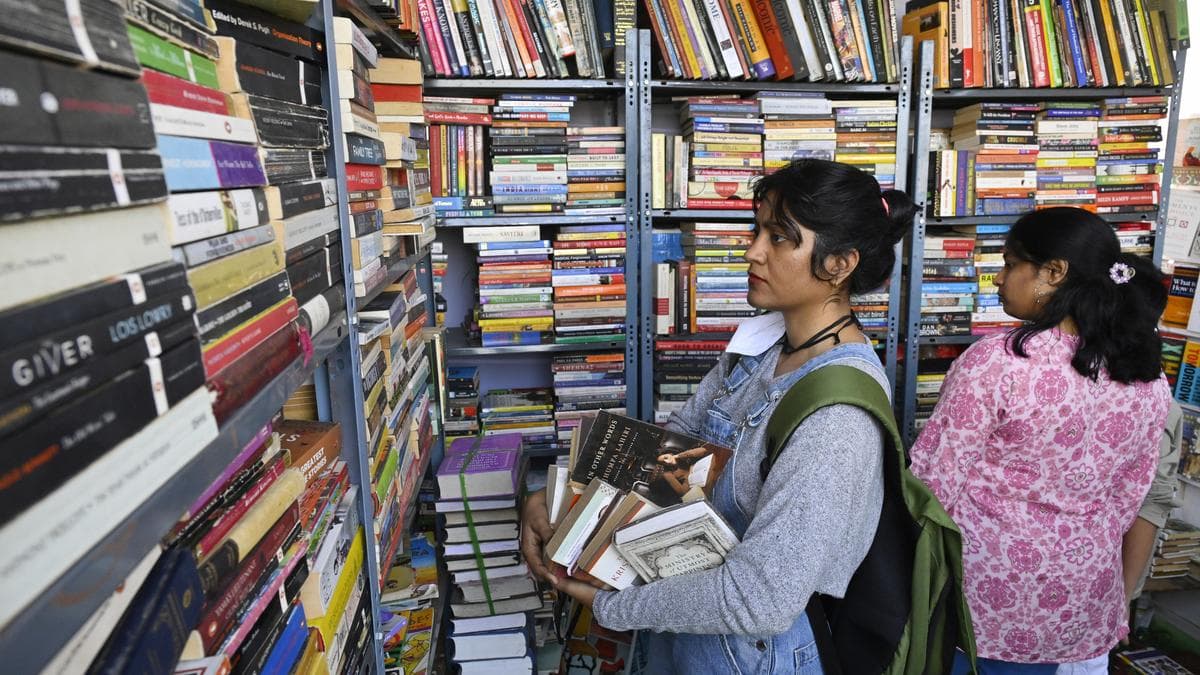
Hyderabad Book Fair at NTR Stadium to conclude on December 29.
Summary
The Hyderabad Book Fair is currently being held at NTR Stadium and is scheduled to conclude on December 29. This annual cultural event serves as a significant platform to promote reading habits and literature among the public. For competitive exams, understanding the event's name, location, and duration is relevant for general awareness, particularly for state-level examinations.
Key Points
- 1The event is specifically named the Hyderabad Book Fair.
- 2The venue for the book fair is NTR Stadium in Hyderabad.
- 3The Hyderabad Book Fair is scheduled to conclude on December 29.
- 4It is an annual cultural event aimed at promoting reading and literature.
- 5The fair holds significance as a prominent regional cultural event.
In-Depth Analysis
The Hyderabad Book Fair, an annual cultural cornerstone, exemplifies India's enduring commitment to fostering a reading culture and promoting literature. While the immediate news highlights its continuation at NTR Stadium until December 29, 2023, its significance extends far beyond a mere event date. It represents a vital confluence of education, culture, and commerce, deeply embedded in the intellectual fabric of Telangana and the nation.
Historically, book fairs in India have a rich lineage, often supported and encouraged by governmental bodies and literary organizations. The National Book Trust (NBT) of India, established in 1957 by the Ministry of Education (then Ministry of HRD), has been instrumental in organizing and promoting book fairs across the country, including the prestigious New Delhi World Book Fair. These fairs serve as crucial platforms for publishers, authors, and readers to connect, exchange ideas, and celebrate the written word. The Hyderabad Book Fair, like many regional fairs, emerged from this broader national movement to democratize access to books and cultivate a love for reading, particularly in regional languages like Telugu.
At its core, the Hyderabad Book Fair is a bustling marketplace of ideas. Key stakeholders include the Hyderabad Book Fair Society, which meticulously organizes the event, often with support from the Telangana State Government. Publishers, both national giants and regional presses, are central participants, showcasing their latest releases, classic works, and diverse genres. Booksellers, literary agents, and authors also converge, engaging directly with readers through book launches, discussions, and autograph sessions. The primary beneficiaries are, of course, the general public – students, academics, professionals, and avid readers – who gain unparalleled access to a vast collection of books, often at discounted prices, thereby making literature more accessible.
This event holds immense significance for India on multiple fronts. Culturally, it acts as a vibrant hub for the preservation and promotion of regional languages and literature, particularly Telugu, ensuring that linguistic diversity thrives. Educationally, it plays a pivotal role in fostering reading habits, critical thinking, and intellectual curiosity among all age groups, crucial for a knowledge-based society. By offering a wide array of educational resources, it implicitly supports the objectives of policies like the National Education Policy (NEP) 2020, which emphasizes foundational literacy and multidisciplinary learning. Economically, the fair provides a significant boost to the publishing industry, supporting local businesses involved in logistics, hospitality, and event management. It also offers a platform for emerging authors to gain recognition and for smaller publishers to reach a wider audience.
From a constitutional perspective, events like the Hyderabad Book Fair are deeply intertwined with fundamental rights. Article 19(1)(a) of the Indian Constitution guarantees the freedom of speech and expression, which inherently includes the freedom of the press and the dissemination of ideas. Book fairs are a direct manifestation of this right, providing a public forum for diverse viewpoints and literary creations. While not directly linked to a specific Article, the promotion of education and cultural development aligns with the spirit of the Directive Principles of State Policy (DPSPs), particularly Article 41 (Right to work, to education and to public assistance in certain cases) and Article 46 (Promotion of educational and economic interests of Scheduled Castes, Scheduled Tribes and other weaker sections), by making knowledge accessible to all sections of society.
Looking ahead, the future implications of such book fairs are multifaceted. In an increasingly digital world, where e-books and online content are prevalent, physical book fairs maintain their unique charm and importance. They offer a tactile experience, a sense of community, and an opportunity for serendipitous discovery that digital platforms often lack. Future editions might see a greater integration of digital elements, such as virtual author interactions or online catalogues, creating hybrid models. Continued governmental support, both financially and through policy frameworks, will be crucial for their sustainability and growth. These fairs will remain vital in bridging the gap between urban and rural readers, promoting literacy, and ensuring that India's rich literary heritage continues to flourish, contributing significantly to an informed citizenry and a vibrant democracy.
Exam Tips
This topic primarily falls under the 'General Awareness' and 'Culture' sections of most competitive exams (SSC, Banking, Railway, State PSCs). For State PSCs, specific details like the venue (NTR Stadium, Hyderabad) and the organizing body (Hyderabad Book Fair Society) are often asked.
Study related topics such as other major book fairs in India (e.g., New Delhi World Book Fair, Kolkata Book Fair), the role of the National Book Trust (NBT) of India, and government initiatives promoting literacy and education (e.g., National Education Policy 2020).
Common question patterns include direct questions about the name of the event, its location, duration, and purpose. You might also encounter questions about the constitutional articles related to freedom of speech and expression (Article 19(1)(a)) in the context of cultural events and the press.
Related Topics to Study
Full Article
Hyderabad Book Fair at NTR stadium will continue till December 29