



Relevant for Exams
India embraces a whole food plant-based revolution, ditching oil, sugar, and dairy for healthier living.
Summary
India is witnessing a "whole food plant-based" (WFPB) revolution, with a new generation adopting diets free from oil, refined sugar, and dairy. This growing trend, seen in cafes and wellness retreats, promotes healthier eating habits and aligns with national efforts to popularize nutritious alternatives like millets. Its significance lies in shifting dietary preferences towards sustainable and health-conscious food choices, relevant for social and health policy discussions.
Key Points
- 1A growing "whole food plant-based" (WFPB) diet trend is emerging among a new generation in India.
- 2The WFPB approach emphasizes cooking and eating without added oil, refined sugar, or dairy products.
- 3This dietary shift is observed across various platforms, including specialized cafes and wellness retreats.
- 4The trend's focus on healthier alternatives, like millets, aligns with India's promotion of these grains.
- 5India played a key role in the UN designating 2023 as the "International Year of Millets" to boost their consumption.
In-Depth Analysis
India is on the cusp of a significant dietary transformation, often dubbed the "whole food plant-based" (WFPB) revolution. This movement, characterized by a shift towards foods free from added oil, refined sugar, and dairy, represents a modern adaptation of traditional eating habits, driven by a renewed focus on health, sustainability, and ethical considerations. While India has a long history of vegetarianism and plant-centric diets, this contemporary wave is distinct in its conscious rejection of processed ingredients and animal products, even those traditionally consumed.
The background to this revolution is multifaceted. Historically, Indian diets were predominantly plant-based, rich in grains, legumes, vegetables, and fruits, with dairy and ghee consumed in moderation. However, post-Green Revolution agricultural policies, coupled with globalization and increased disposable incomes, led to a shift towards a diet high in refined carbohydrates (wheat, rice), processed foods, unhealthy fats, and increased consumption of dairy and animal products. This dietary transition has contributed significantly to the rise of lifestyle diseases such as diabetes, hypertension, and obesity, placing immense pressure on India's public health infrastructure.
What is happening now is a conscious counter-movement. A new generation of Indians, particularly in urban centers, is rediscovering the benefits of cooking and eating whole, unprocessed plant foods. This trend is visible not just in individual kitchens but also in the proliferation of specialized WFPB cafes, restaurants, and wellness retreats that offer innovative and delicious alternatives to conventional fare. The emphasis is on nutrient-dense ingredients like millets, lentils, vegetables, fruits, nuts, and seeds, prepared in ways that maximize their natural goodness without compromising on taste. This shift aligns perfectly with India's governmental efforts to promote millets, culminating in India's instrumental role in the UN declaring 2023 as the "International Year of Millets," aimed at boosting their production and consumption for nutritional security.
Key stakeholders in this revolution include a diverse group. At the forefront are the **consumers**, primarily the health-conscious urban youth and middle-aged individuals seeking preventive healthcare and sustainable lifestyles. **Entrepreneurs and businesses** are vital, establishing WFPB cafes, delivering meal services, and developing innovative plant-based products. **Farmers** stand to benefit from increased demand for diverse, traditional crops like millets, which are often more climate-resilient and require less water than staple crops like rice and wheat. **Healthcare professionals**, including doctors and nutritionists, are increasingly advocating for WFPB diets as a powerful tool for disease prevention and management. Finally, the **Government of India** is a crucial stakeholder, through initiatives like the International Year of Millets, the National Food Security Act (NFSA) 2013, which, while primarily focused on cereals, implicitly supports nutritional security, and the Food Safety and Standards Authority of India (FSSAI), which regulates food quality and promotes healthy eating habits.
This movement holds immense significance for India. From a **public health** perspective, widespread adoption of WFPB diets could significantly reduce the burden of non-communicable diseases, aligning with the Directive Principle of State Policy under **Article 47** of the Constitution, which mandates the State to raise the level of nutrition and the standard of living and to improve public health. Economically, it can revitalize the **agricultural sector** by diversifying crop production, ensuring better remuneration for farmers growing traditional grains, and fostering a robust plant-based food industry. Environmentally, plant-based diets, especially those emphasizing millets, contribute to **food security and sustainability** by promoting crops that are drought-resistant and have a lower carbon footprint compared to animal agriculture. This supports India's commitment to climate action and sustainable development goals.
Looking ahead, the WFPB revolution is likely to gain further momentum. Future implications include greater integration of plant-based nutrition into public health campaigns, increased investment in research and development for plant-based food innovation, and potentially, policy incentives for farmers to cultivate diverse, nutritious crops. India, with its rich culinary heritage and cultural inclination towards vegetarianism, is uniquely positioned to lead this global dietary shift, transforming both its public health landscape and its agricultural economy towards a more sustainable and equitable future.
Exam Tips
This topic is highly relevant for UPSC GS Paper I (Indian Society - social changes, lifestyle), GS Paper II (Governance - public health, social justice; Government policies), and GS Paper III (Economy - agriculture, food processing; Environment - sustainable agriculture).
Prepare short notes on government initiatives like the 'International Year of Millets 2023', 'POSHAN Abhiyaan' (National Nutrition Mission), and the role of FSSAI. Understand their objectives and impact.
Common question patterns include analytical questions in Mains on the socio-economic and environmental implications of dietary shifts, the role of government in promoting healthy eating, and the challenges and opportunities for Indian agriculture. For Prelims, expect factual questions on millets, constitutional articles related to public health (e.g., Article 47 DPSP), and key government programs.
Related Topics to Study
Full Article
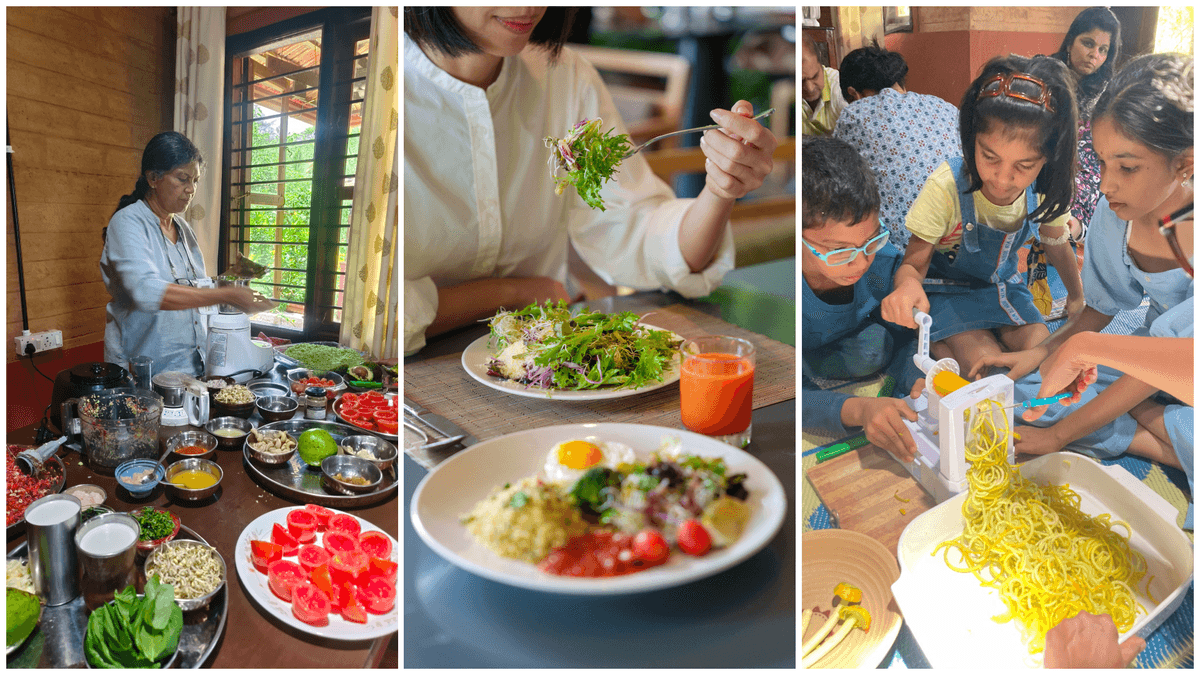
From dry fruit ladoos at a potluck to full-fledged cafes and wellness retreats, a new generation of Indians is discovering the benefits of cooking — and eating — without oil, refined sugar, or dairy