



Relevant for Exams
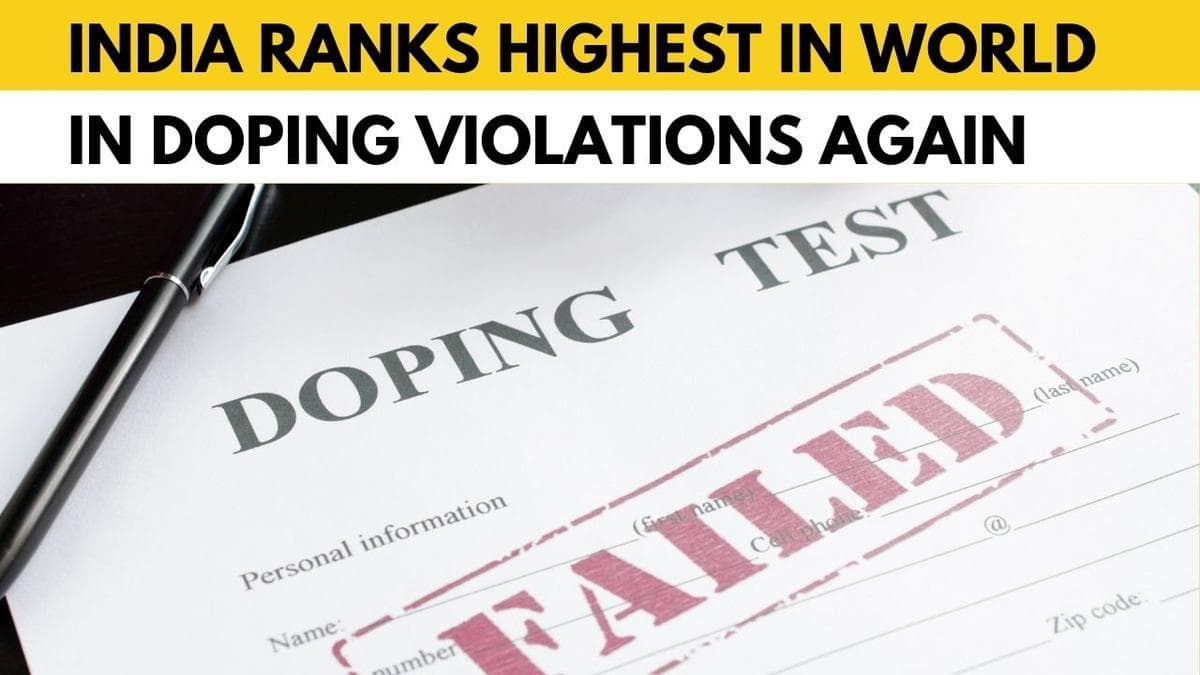
WADA report: India worst doping offender globally for third straight year.
Summary
India has been identified as the world's worst doping offender for the third consecutive year, according to the World Anti-Doping Agency's (WADA) annual report published on December 16. This recurring top ranking highlights persistent issues within India's sports ecosystem regarding anti-doping measures and integrity. For competitive exams, understanding India's international standing in sports governance and the role of global bodies like WADA is crucial for current affairs sections.
Key Points
- 1India ranked first globally in doping violations.
- 2This marks the third consecutive year India has been the top doping offender.
- 3The findings are based on the annual report published by the World Anti-Doping Agency (WADA).
- 4WADA's annual report detailing these violations was published on December 16.
- 5The report specifically identifies India as the worst 'doping offender'.
In-Depth Analysis
India's consistent top ranking as the world's worst doping offender for the third consecutive year, as highlighted by the World Anti-Doping Agency's (WADA) annual report published on December 16, presents a significant challenge to the nation's sporting integrity and global reputation. This recurring issue underscores deep-seated problems within the Indian sports ecosystem, demanding a comprehensive understanding for competitive exam aspirants.
At its core, doping refers to the use of prohibited substances or methods by athletes to enhance performance. It undermines the fundamental principles of fair play, athlete health, and the spirit of sport. To combat this global menace, WADA was established in 1999 as an independent international agency, responsible for harmonizing anti-doping regulations across all sports and countries. WADA develops the World Anti-Doping Code, a document that provides a framework for anti-doping policies, rules, and regulations for sports organizations and public authorities worldwide. Its annual reports are crucial indicators of compliance and prevalence of doping violations globally.
India's unfortunate distinction of leading global doping violations for three straight years is a stark indicator of a systemic issue. While the WADA report doesn't specify individual athletes or sports, historically, Indian athletes in disciplines like weightlifting, athletics, wrestling, and bodybuilding have frequently been implicated. The reasons are multifaceted: a 'win at all costs' mentality, lack of awareness among athletes and support staff about prohibited substances, inadequate testing infrastructure, and sometimes, intentional administration of performance-enhancing drugs by coaches or syndicates. The consequences are severe, ranging from career-ending bans and forfeiture of medals to significant health risks for the athletes involved.
Several key stakeholders are involved in this complex scenario. At the international level, WADA sets the standards and monitors compliance. Domestically, the **National Anti-Doping Agency (NADA)**, established in 2005, is India's primary body responsible for implementing WADA's Code, conducting testing, investigations, and sanctioning athletes. The **National Dope Testing Laboratory (NDTL)**, accredited by WADA, is crucial for scientific analysis. Other significant players include the **Sports Authority of India (SAI)**, which manages training facilities and athlete development; various **National Sports Federations (NSFs)**, responsible for promoting clean sport within their disciplines; the **Indian Olympic Association (IOA)**; and ultimately, the **Ministry of Youth Affairs and Sports**, which oversees sports policy. Athletes, coaches, and support staff form the immediate circle where doping decisions are made and executed.
This matters immensely for India. Firstly, it severely tarnishes India's international image and credibility in the global sporting arena. As India increasingly aspires to host major international events like the Olympics, a reputation as a doping hotspot could hinder such ambitions. Secondly, it undermines the genuine efforts and achievements of clean Indian athletes, creating a cloud of suspicion over all successes. Thirdly, it impacts the moral fabric of sports, discouraging fair competition and potentially leading to a decline in public trust and interest. Economically, a tarnished image could affect sponsorships, endorsements, and investment in sports development.
Addressing this issue requires robust policy and legal frameworks. A significant step in this direction was the enactment of the **National Anti-Doping Act, 2022**. This Act provides a statutory framework for NADA, granting it greater autonomy and legal teeth to enforce anti-doping rules. It also outlines the functions of NADA, the powers of its officers, the establishment of the NDTL, and provisions for appeal panels and penalties for violations. This legislative measure was crucial for India to remain compliant with WADA's requirements, especially after the NDTL faced a suspension from WADA in 2019 due to non-compliance with international standards. The Act aims to strengthen the anti-doping programme, promote fair play, and protect the health and rights of athletes.
While specific constitutional articles directly addressing 'doping' are absent, the broader principles of good governance, public health, and striving for excellence are relevant. **Article 51A(j)** of the Fundamental Duties encourages citizens
Exam Tips
This topic falls under Current Affairs (National & International), General Studies Paper II (Governance, Policies, Social Justice related to Sports), and can even touch upon Ethics (GS Paper IV) regarding integrity in sports. Focus on recent developments and their implications.
Study related topics such as the structure and functions of WADA and NADA, the provisions of the National Anti-Doping Act, 2022, the role of the Sports Authority of India (SAI) and the Indian Olympic Association (IOA), and general issues of sports governance in India.
For Prelims, expect direct questions on India's ranking, the name of the agency (WADA), the year the NADA Act was passed, or the primary function of NADA. For Mains, be prepared for analytical questions like 'Discuss the challenges faced by India in ensuring clean sports and the measures taken by the government,' or 'Analyze the impact of doping on India's international sports reputation and athlete development.'
Related Topics to Study
Full Article
India ranked first globally in doping violations for the third consecutive year, according to the World Anti-Doping Agency’s annual report published on December 16.