



Relevant for Exams
Supreme Court to hear stray dog case on Jan 7, exchanges on 'humanity' with Kapil Sibal.
Summary
The Supreme Court is currently hearing a significant case concerning stray dogs, which saw a heated exchange where the court indicated it would play a video to question 'humanity'. Senior Advocate Kapil Sibal also stated his intent to present video evidence. The next hearing is scheduled for January 7, highlighting the ongoing judicial focus on animal welfare and related public concerns. This procedural update is relevant for understanding judicial processes.
Key Points
- 1The Supreme Court is currently hearing a case related to stray dogs.
- 2Senior Advocate Kapil Sibal is involved in the legal proceedings of the stray dogs case.
- 3The Supreme Court indicated its intention to play a video during the hearing.
- 4Senior Advocate Kapil Sibal also stated his plan to present a video as evidence.
- 5The next hearing for the stray dogs case is scheduled for January 7.
In-Depth Analysis
The ongoing Supreme Court hearing concerning stray dogs, characterized by the recent exchange about presenting video evidence, highlights a deeply complex and emotionally charged issue that India has grappled with for decades. This case is not merely about animal control; it delves into the intricate balance between public safety, animal welfare, ethical responsibilities, and the efficacy of local governance.
The background of the stray dog issue in India is multifaceted. With an estimated population of over 60 million stray dogs, India faces significant challenges related to public health, particularly the high incidence of rabies, and the safety concerns arising from dog bites. According to the World Health Organization (WHO), India accounts for a substantial proportion of global human rabies deaths. Historically, efforts to manage stray dog populations have ranged from culling (which is now largely prohibited) to the 'Animal Birth Control' (ABC) program, involving sterilization and vaccination. These programs, while humane, often face implementation challenges due to funding constraints, lack of infrastructure, and public resistance. The legal framework has also evolved, with various High Courts and the Supreme Court issuing directions over the years, often reflecting divergent views on how to balance human rights and animal rights.
What happened in the recent hearing underscores the intensity of the debate. The Supreme Court's observation that it would play a video to question 'what is humanity' and Senior Advocate Kapil Sibal's reciprocal intent to present video evidence reveals the emotional depth and factual disputes involved. This suggests that the court is seeking to understand the ground realities from both perspectives – the suffering caused by stray dogs (bites, aggression, nuisance) and the cruelty often inflicted upon these animals. The scheduling of the next hearing on January 7 indicates the court's commitment to a thorough examination of the evidence and arguments presented.
Key stakeholders in this case are numerous and diverse. At the forefront is the **Supreme Court**, acting as the ultimate arbiter, tasked with interpreting existing laws and potentially setting new precedents. **Animal Welfare Organizations and Activists** are significant petitioners, advocating for the humane treatment of animals, strict implementation of ABC programs, and protection against cruelty. On the other side, **Local Bodies (Municipal Corporations, Panchayats)** are respondents, responsible for public health and animal control, often facing resource constraints and public pressure. **Citizens** are also key stakeholders, both those affected by stray dog issues (victims of bites, residents facing nuisance) and animal lovers who care for strays. **Legal Professionals** like Senior Advocate Kapil Sibal represent these diverse interests, bringing their arguments and evidence before the court.
This case matters immensely for India. Socially, it highlights the growing divide between those prioritizing animal rights and those prioritizing human safety. Public health is a paramount concern, given the rabies threat. Economically, the cost of managing dog bites and implementing ABC programs places a significant burden on municipal budgets. Politically, the issue often becomes a hot potato for local governments, caught between conflicting demands. The Supreme Court's eventual ruling will have far-reaching implications for urban planning, public health policy, and the enforcement of animal welfare laws across the country.
From a constitutional perspective, several provisions are relevant. **Article 51A(g)** of the Indian Constitution enshrines a Fundamental Duty for every citizen to 'have compassion for living creatures.' This article forms the bedrock for animal welfare advocacy. The **Prevention of Cruelty to Animals Act, 1960**, is the primary legislation governing animal welfare in India, prohibiting various forms of cruelty. The **Animal Birth Control (Dogs) Rules, 2001 (now updated as Animal Birth Control Rules, 2023)**, framed under this Act, provide guidelines for humane management of stray dog populations through sterilization and vaccination. Furthermore, the role of **local self-governments** (municipalities and panchayats) in managing public health and sanitation, including animal control, is derived from the **73rd and 74th Constitutional Amendment Acts** and entries in the State List of the Seventh Schedule (e.g., Entry 6 - Public health and sanitation; hospitals and dispensaries, and Entry 15 - Preservation of stock, prevention of animal diseases).
Historically, the debate has seen various judicial interventions. For instance, the Supreme Court in the State of Kerala v. Animal Welfare Board of India (2015) case, while dealing with Jallikattu, reiterated the importance of Article 51A(g). Previous cases concerning stray dogs have often struggled to find a universally acceptable solution, leading to a patchwork of local regulations and varying degrees of enforcement. The current case provides an opportunity for the Supreme Court to consolidate these perspectives and provide clear, enforceable guidelines.
The future implications are significant. A comprehensive judgment could lead to a more standardized national policy for stray dog management, ensuring better implementation of ABC programs and more effective rabies control. It could also influence municipal budgeting and resource allocation towards animal welfare infrastructure. Moreover, the use of video evidence in such a sensitive case highlights the increasing role of technology in judicial proceedings, allowing courts to gain a more direct understanding of the issues on the ground. Ultimately, the ruling could shape public perception and foster a more balanced approach to coexisting with urban animal populations, emphasizing both compassion and public safety.
Exam Tips
This topic falls under GS Paper II (Indian Polity & Governance, Social Justice) and GS Paper III (Environment & Ecology, Internal Security - public health aspect). Understand the constitutional provisions (Fundamental Duties, Local Governance) and relevant laws (Prevention of Cruelty to Animals Act, ABC Rules).
Study related topics such as Animal Rights vs. Human Rights, the role of NGOs in social welfare, public health challenges in India (e.g., rabies control programs), and the functioning of local self-government bodies. Prepare case studies on successful and unsuccessful animal control programs.
Expect questions on policy analysis (e.g., 'Critically analyze India's policy on stray dog management'), constitutional provisions (e.g., 'Discuss the relevance of Article 51A(g) in contemporary social issues'), ethical dilemmas (e.g., 'How can a balance be struck between animal welfare and public safety?'), and the role of the judiciary in social issues.
Related Topics to Study
Full Article
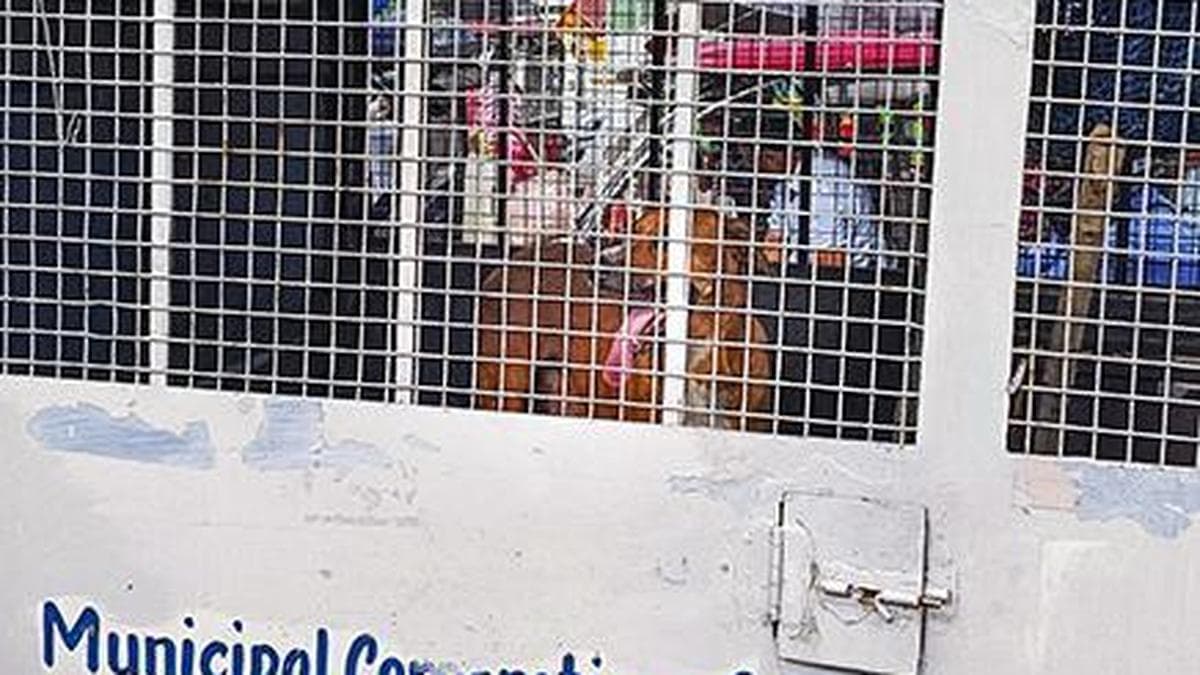
Senior advocate Kapil Sibal responded that they will also play a video to show what was happening; next hearing on the matter is on January 7