



Relevant for Exams
Meghalaya MP urges Centre to fast-track scientific coal mining, citing crippled ADCs and drug smuggling risk.
Summary
A Meghalaya MP has urged the Central government to fast-track scientific coal mining in the state. The MP highlighted that the ban on coal mining has crippled the Autonomous District Councils (ADCs) in Meghalaya, as coal was their primary source of revenue. This situation is also linked to a potential rise in drug smuggling, underscoring the complex interplay between environmental regulations, local economy, governance, and social issues in the North-East, crucial for competitive exams.
Key Points
- 1A Meghalaya MP urged the Central government to fast-track scientific coal mining in the state.
- 2The MP warned of a potential rise in drug smuggling linked to the ban on coal mining.
- 3The ban on coal mining has significantly crippled the Autonomous District Councils (ADCs) in Meghalaya.
- 4Autonomous District Councils (ADCs) in Meghalaya relied on coal as their primary source of revenue.
- 5The issue highlights the economic impact of mining bans on local self-governing bodies in Meghalaya.
In-Depth Analysis
The recent plea by a Meghalaya MP to fast-track scientific coal mining in the state, coupled with a warning about rising drug smuggling, unveils a complex tapestry of environmental governance, tribal autonomy, economic dependence, and social challenges unique to India's North-East. This issue is not merely about mining; it's a profound case study for understanding the delicate balance between development and environment, and the implementation of policies in constitutionally distinct regions.
**Background Context and What Happened:**
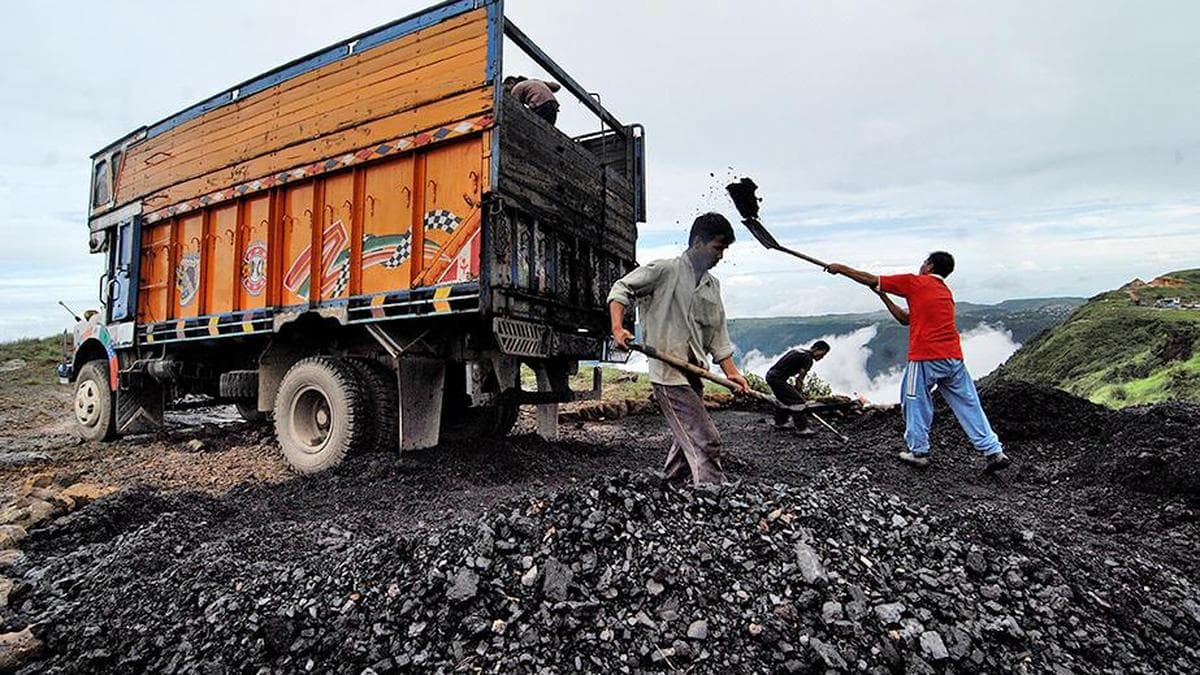
Meghalaya, one of the seven sister states, is endowed with significant coal reserves, primarily found in the Garo, Khasi, and Jaintia Hills. For decades, coal mining in the state was predominantly carried out through an unscientific and hazardous method known as 'rat-hole mining.' This primitive technique involved digging small, narrow tunnels (often just large enough for one person) into the ground to extract coal. While economically viable for local communities due to low capital investment and high returns, it led to severe environmental degradation, including deforestation, water pollution from acid mine drainage, and land subsidence. The lack of safety regulations also resulted in frequent fatalities, often trapping miners inside the collapsing tunnels.
The turning point came in April 2014 when the National Green Tribunal (NGT), an environmental watchdog established under the National Green Tribunal Act, 2010, imposed an interim ban on rat-hole mining in Meghalaya. The NGT's decision was based on compelling evidence of environmental destruction and human rights violations. This ban was subsequently upheld and reinforced by the Supreme Court of India in 2019, which, however, acknowledged the state's ownership of coal resources and allowed for regulated, scientific mining under strict environmental norms. The Supreme Court directed the state to formulate a comprehensive mining plan, ensuring environmental safeguards and rehabilitation of affected areas. Despite these directives, the transition to scientific mining has been slow, creating an economic vacuum that has severely impacted the state.
**Key Stakeholders Involved:**
1. **Autonomous District Councils (ADCs):** These are self-governing bodies established under the Sixth Schedule of the Indian Constitution (Articles 244(2) and 275(1)). Meghalaya has three ADCs: Khasi Hills, Garo Hills, and Jaintia Hills. They possess significant legislative, executive, and judicial powers over land, forests, water, and importantly, *mines* within their respective jurisdictions. Coal was their primary source of revenue, collected through taxes and royalties. The ban has crippled their financial autonomy, making them dependent on state and central grants.
2. **Meghalaya State Government:** It faces the daunting task of balancing economic development, environmental protection, and the constitutional autonomy of ADCs. It is responsible for formulating and implementing the scientific mining policy, securing environmental clearances, and finding alternative livelihoods for affected populations.
3. **Local Communities and Miners:** Thousands of people, primarily from tribal communities, were directly or indirectly dependent on coal mining for their livelihoods. The ban has led to widespread unemployment, poverty, and distress, pushing many towards illegal mining or, as warned by the MP, illicit activities like drug smuggling.
4. **Central Government:** Plays a role in providing financial assistance, policy guidance (e.g., through the Ministry of Coal, Ministry of Environment, Forest and Climate Change), and ensuring national security, particularly concerning internal security threats like drug trafficking.
5. **National Green Tribunal (NGT) and Supreme Court of India:** These judicial bodies acted as crucial checks and balances, enforcing environmental laws and ensuring sustainable practices, thereby shaping the legal framework for mining in the state.
**Why This Matters for India:**
This issue holds multi-faceted significance for India. Economically, the ban has led to a significant loss of revenue for Meghalaya and its ADCs, impacting local development. Politically, it highlights the challenges of federalism and tribal governance, particularly the interface between central/state environmental regulations and the autonomous powers of Sixth Schedule bodies. Socially, the loss of livelihoods has created a fertile ground for illegal activities, including drug smuggling, which poses a serious internal security threat, especially in border regions. The North-East region is already vulnerable to cross-border drug trafficking, and economic desperation can exacerbate this problem. Environmentally, the case underscores India's commitment to sustainable development and the crucial role of judicial activism in environmental protection (Article 21 – Right to life and a clean environment; Article 48A – Protection and improvement of environment).
**Historical Context and Future Implications:**
Historically, traditional mining practices in Meghalaya were largely unregulated, leading to the environmental crisis that prompted the NGT's intervention. The post-ban period has seen a struggle to transition to modern, scientific mining, which requires significant capital, technical expertise, and stringent regulatory oversight. The Coal Mines (Nationalisation) Act, 1973, which nationalised coal mining, had historically exempted tribal areas in Meghalaya, contributing to the unique, unregulated mining landscape. Subsequent reforms, including the Mines and Minerals (Development and Regulation) Act, 1957 (MMDR Act), and the Coal Mines (Special Provisions) Act, 2015, aim to regularise and auction coal blocks, but their application in Sixth Schedule areas with tribal ownership rights presents unique challenges.
The future implications are critical. Fast-tracking scientific mining is essential not only for economic revival but also for mitigating social problems. However, this must be done with strict adherence to environmental norms to prevent a return to the destructive past. The central and state governments must collaborate to provide alternative livelihood opportunities and skill development programs for displaced miners. Strengthening the financial capabilities and administrative capacities of ADCs is also paramount to ensure their effective functioning and prevent reliance on illicit economies. This case serves as a vital lesson in integrating environmental protection with inclusive economic development and respecting the unique constitutional provisions for tribal areas, ensuring that resource extraction benefits local communities without compromising their environment or social fabric. Failure to address these intertwined challenges could lead to further instability and deepen the socio-economic crisis in the region.
Exam Tips
**Syllabus Section:** This topic primarily falls under GS-II (Polity & Governance: Indian Constitution, Federalism, Local Self-Government, Tribal Administration, North-East development) and GS-III (Economy: Mining, Environmental Economics; Internal Security: Drug Trafficking, Border Management).
**Related Topics to Study:** Understand the Sixth Schedule of the Constitution in detail, including the powers and functions of Autonomous District Councils (ADCs). Study the National Green Tribunal (NGT) and its role in environmental jurisprudence. Familiarize yourself with the Mines and Minerals (Development and Regulation) Act, 1957 (MMDR Act) and subsequent amendments.
**Common Question Patterns:** Expect questions on the constitutional provisions for tribal areas (Sixth Schedule, Articles 244 and 275), the environmental impact of unregulated mining, the challenges of balancing development with environmental protection, the socio-economic consequences of policy changes in resource-rich regions, and internal security challenges in the North-East (e.g., drug trafficking). Case studies on environment vs. development conflicts are common.
Related Topics to Study
Full Article
The MP highlighted that the ban has crippled autonomous district councils in the State, which relied on coal as their primary source of revenue