



Relevant for Exams
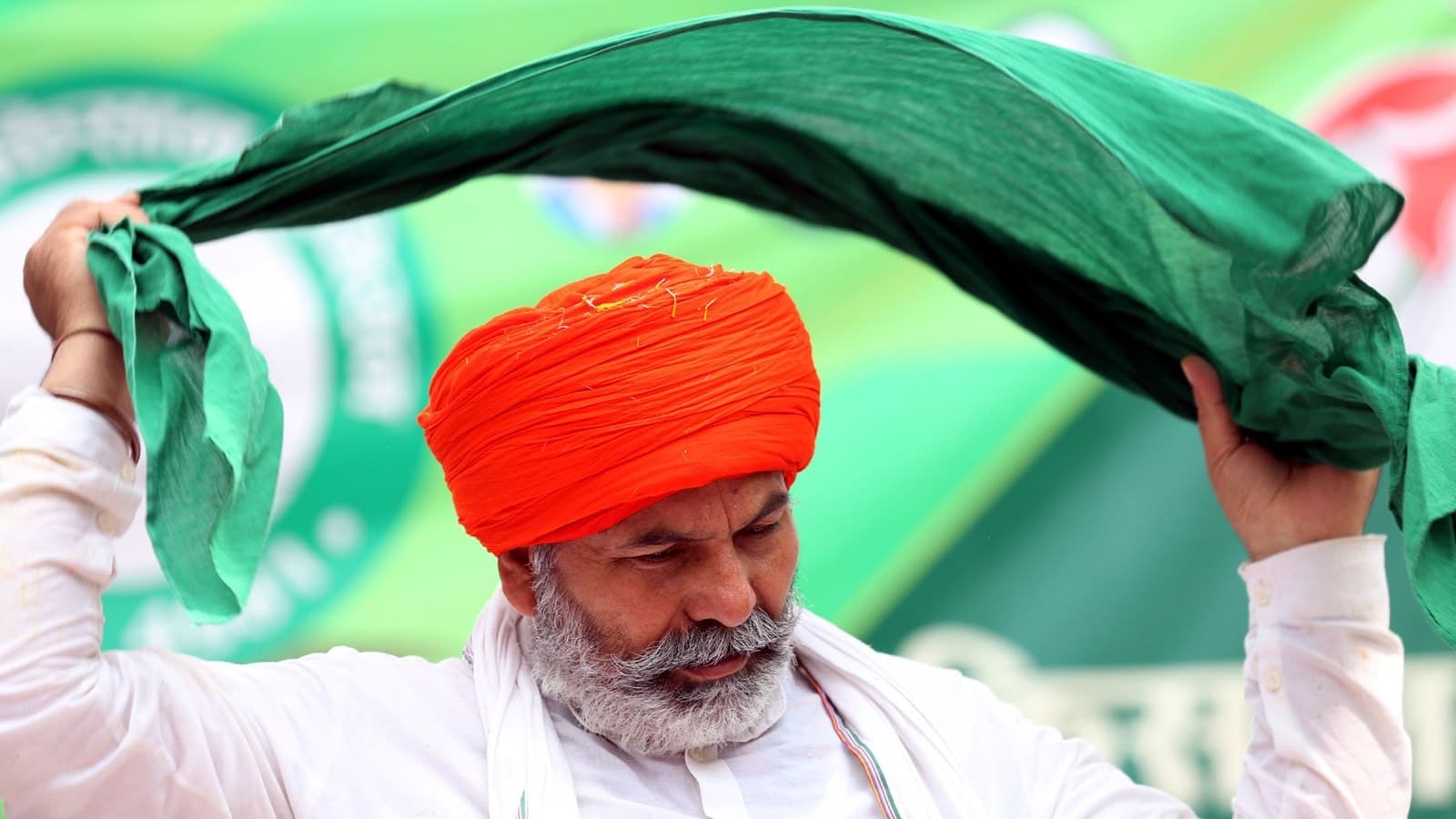
Rajasthan farmers hold 'mahapanchayat' against proposed ethanol plant.
Summary
Farmers in Rajasthan organized a 'mahapanchayat' to protest a proposed ethanol plant. This event highlights local community resistance against industrial projects, often driven by concerns over environmental impact, land acquisition, or resource utilization. For competitive exams, it underscores the socio-economic and environmental challenges associated with industrial development and farmer movements in India.
Key Points
- 1The protest, termed a 'mahapanchayat', was held by farmers in Rajasthan.
- 2The primary objective of the 'mahapanchayat' was to oppose a proposed ethanol plant.
- 3Ethanol plants are industrial facilities typically involved in biofuel production, often from agricultural feedstocks.
- 4Such farmer protests frequently raise concerns regarding land acquisition, water resource depletion, and potential environmental pollution.
- 5The issue falls under the broader context of industrial development versus local community and environmental interests in India.
In-Depth Analysis
The recent 'mahapanchayat' held by farmers in Rajasthan against a proposed ethanol plant encapsulates a recurring dilemma in India: balancing rapid industrial development with environmental sustainability and local community interests. This event is not isolated but reflects broader socio-economic and environmental challenges associated with India's ambitious growth trajectory and its energy security goals.
**Background Context: India's Biofuel Push**
India, a major oil importer, has aggressively pursued a biofuel blending program to reduce its dependence on crude oil, cut carbon emissions, and provide additional income to farmers. The 'National Policy on Biofuels – 2018' set a target of achieving 20% ethanol blending in petrol by 2025 (initially 2030, advanced in 2021). Ethanol, primarily produced from sugarcane, maize, rice, and damaged food grains, is seen as a 'green fuel'. This policy has led to a proliferation of proposed ethanol plants across the country. While offering benefits like reduced import bills and potentially higher remuneration for farmers through diverse crop utilization, these projects often spark local resistance due to concerns over resource intensive production processes.
**The Rajasthan Protest: What Happened and Why**
Farmers in Rajasthan organized a 'mahapanchayat', a traditional village assembly, to voice their strong opposition to a proposed ethanol plant. While specific details of the plant and its location are not provided in the summary, such protests typically stem from fears concerning land acquisition, potential water resource depletion, and environmental pollution. Ethanol production, especially from water-intensive crops like sugarcane, requires significant water. Local communities often fear that industrial units will divert scarce water resources, impacting agricultural irrigation and drinking water supply. Furthermore, concerns about effluent discharge and air emissions from these plants raise valid questions about their environmental footprint and impact on public health and local ecosystems.
**Key Stakeholders Involved**
1. **Farmers:** The primary protesters, whose livelihoods and well-being are directly impacted. Their concerns revolve around land displacement, loss of traditional agricultural practices, water scarcity, and potential health hazards from pollution.
2. **State Government (Rajasthan) & Central Government:** The state government is responsible for facilitating industrial development, land acquisition, and providing environmental clearances, while also ensuring the welfare of its citizens. The central government drives the national biofuel policy and provides incentives for ethanol production. Both are tasked with balancing economic growth with social equity and environmental protection.
3. **Industry/Developers:** The private entities proposing the ethanol plant, driven by investment opportunities, profit motives, and contributing to national energy goals. They argue for job creation and economic benefits.
4. **Environmental Activists & Civil Society:** Often support local communities in raising awareness about environmental impacts and advocating for stricter regulatory oversight and sustainable development practices.
**Why This Matters for India**
This protest highlights critical governance and development challenges for India. It underscores the tension between national economic policies (energy security, industrial growth) and local socio-environmental concerns. The successful implementation of projects like ethanol plants depends heavily on effective land acquisition policies, robust environmental impact assessments (EIAs), and genuine public participation. Failures in these areas can lead to prolonged disputes, project delays, and erosion of public trust. It also questions the 'green' credentials of biofuels if their production leads to significant local environmental damage or exacerbates water stress in already arid regions like parts of Rajasthan.
**Historical Context and Legal Framework**
Farmer movements have a long history in India, often against land acquisition for large projects. Notable examples include the Singur and Nandigram protests in West Bengal against industrialization, or the more recent nationwide protests against the farm laws. These movements often invoke fundamental rights and constitutional provisions. **Article 21** (Right to Life and Personal Liberty) has been interpreted by the Supreme Court to include the right to a clean environment. The **Directive Principles of State Policy (DPSP)**, specifically **Article 48A**, mandates the State to 'endeavour to protect and improve the environment and to safeguard the forests and wild life'.
Legally, land acquisition is governed by 'The Right to Fair Compensation and Transparency in Land Acquisition, Rehabilitation and Resettlement Act, 2013' (LARR Act, 2013). This Act emphasizes fair compensation, rehabilitation, and, crucially, the requirement for social impact assessment (SIA) and consent from affected families, particularly in cases involving private entities. Environmental clearances are mandated by the **Environment (Protection) Act, 1986**, and its subsequent EIA Notifications, which require public hearings to incorporate local perspectives. The **73rd Constitutional Amendment Act** (Panchayati Raj) also empowers local self-governments to play a role in local development decisions, though their actual influence can vary.
**Future Implications**
Such protests serve as crucial feedback mechanisms for policymakers. They necessitate a re-evaluation of project siting, technology choices (e.g., less water-intensive feedstocks), and the efficacy of environmental and social safeguards. For India, the future of its biofuel program and industrialization hinges on adopting a more inclusive and sustainable approach. This involves transparent decision-making, ensuring meaningful public participation, providing adequate compensation and rehabilitation, and rigorously enforcing environmental regulations. Ignoring local concerns can lead to social unrest, hinder development, and ultimately undermine the very goals these projects aim to achieve. The challenge is to find a harmonious balance where development benefits all stakeholders without compromising environmental integrity or local livelihoods.
Exam Tips
This topic falls under GS Paper III: Economy (Indian Economy and issues relating to planning, mobilization of resources, growth, development and employment; Infrastructure; Energy; Investment Models; Agriculture – major crops, cropping patterns, land reforms, various schemes) and Environment (Conservation, environmental pollution and degradation, environmental impact assessment).
Study related topics like the National Policy on Biofuels, the Right to Fair Compensation and Transparency in Land Acquisition, Rehabilitation and Resettlement Act, 2013 (LARR Act), and the Environmental Impact Assessment (EIA) process in India. Understand their provisions and implementation challenges.
Common question patterns include analytical questions on the challenges of balancing development with environmental sustainability, the role of government policies in promoting green fuels, and the socio-economic impact of industrial projects on local communities. Be prepared to critically evaluate policies and provide multi-faceted arguments.
For Mains, prepare case studies on farmer protests against industrial projects, analyzing the reasons, outcomes, and legal/constitutional provisions invoked. For Prelims, focus on key facts about the National Biofuel Policy, relevant constitutional articles (e.g., 21, 48A), and major environmental acts.
Understand the concept of 'Green Economy' and how such projects align or conflict with its principles. Analyze the role of public participation and local self-governance (Panchayati Raj) in project clearances and implementation.