



Relevant for Exams
Bihar's JEEViKA scheme mistakenly paid male beneficiaries; notices issued for fund return.
Summary
The Bihar Rural Livelihoods Promotion Society, known as JEEViKA, operating under the Department of Rural Development, mistakenly disbursed funds intended for women beneficiaries to male recipients. This incident highlights challenges in scheme implementation and beneficiary identification, crucial for governance studies. JEEViKA has initiated recovery by sending notices to the male beneficiaries, emphasizing accountability in public funds.
Key Points
- 1The scheme is administered by the Bihar Rural Livelihoods Promotion Society.
- 2The Bihar Rural Livelihoods Promotion Society is widely known as JEEViKA.
- 3JEEViKA operates as an autonomous body under the Department of Rural Development.
- 4The issue involves male recipients mistakenly receiving funds from a scheme specifically for women.
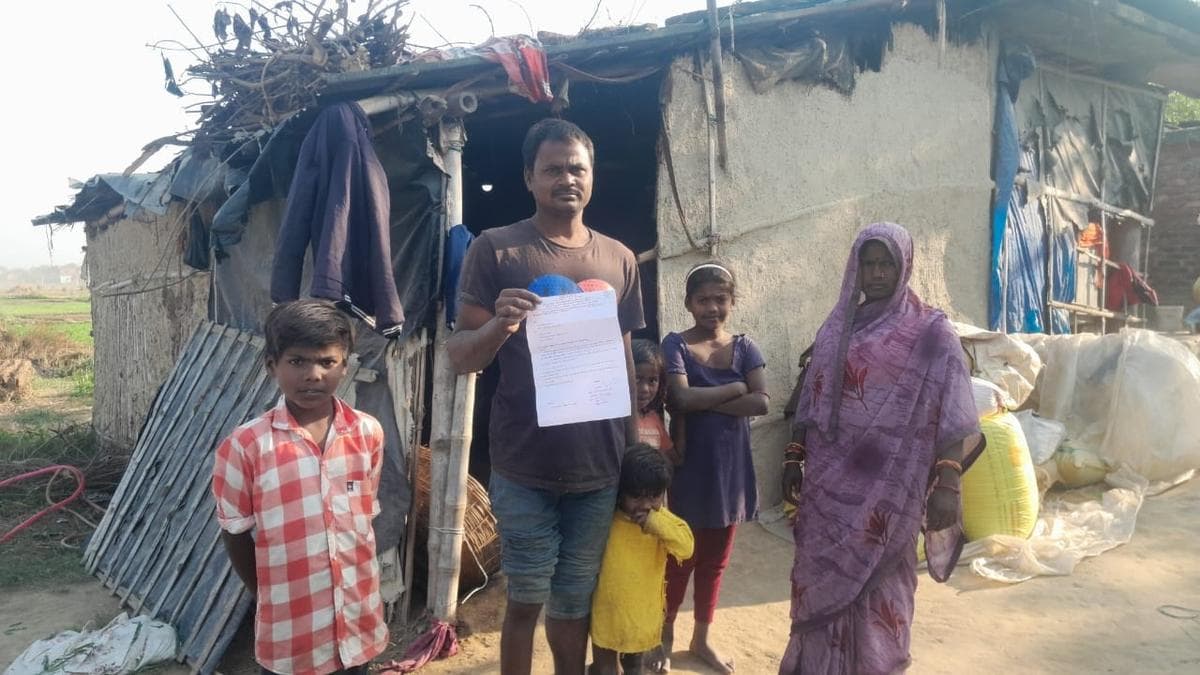
- 5Notices have been sent to the male beneficiaries in Bihar, asking them to return the amount received.
In-Depth Analysis
The incident involving the Bihar Rural Livelihoods Promotion Society, popularly known as JEEViKA, where funds designated for women beneficiaries were mistakenly disbursed to male recipients, offers a critical lens into the challenges and complexities of public scheme implementation in India. This event, though seemingly a procedural error, underscores deeper issues related to governance, beneficiary identification, financial management, and social justice.
**Background Context: Empowering Rural Livelihoods through JEEViKA**
JEEViKA is Bihar's version of the National Rural Livelihoods Mission (NRLM), a flagship program launched by the Ministry of Rural Development, Government of India, in 2011. NRLM aims to reduce poverty by enabling poor households to access gainful self-employment and skilled wage employment opportunities, resulting in appreciable improvement in their livelihoods on a sustainable basis. A cornerstone of NRLM, and by extension JEEViKA, is the promotion of women's Self-Help Groups (SHGs). These SHGs are vital for financial inclusion, social empowerment, and collective action among rural women, providing them access to credit, skill development, and market linkages. The focus on women is deliberate, recognizing their critical role in household welfare and community development, and addressing historical gender disparities in access to resources and opportunities. JEEViKA operates as an autonomous body under the Department of Rural Development, highlighting a common institutional structure for large-scale development programs to ensure operational flexibility and focused implementation.
**The Incident: A Glitch in the System**
The core of the issue is a misidentification of beneficiaries. Funds, specifically earmarked for women under a particular scheme (though the specific scheme is not detailed in the summary, it's implied to be women-centric given JEEViKA's mandate), were erroneously transferred to male recipients. This mistake came to light, prompting JEEViKA to send notices to these male beneficiaries, demanding the return of the disbursed amounts. This action reflects an attempt to rectify the error and ensure accountability in the use of public funds.
**Key Stakeholders and Their Roles**
1. **Bihar Rural Livelihoods Promotion Society (JEEViKA):** As the implementing agency, JEEViKA is responsible for the design, execution, monitoring, and evaluation of livelihood schemes. Its role is crucial in ensuring that funds reach the intended beneficiaries efficiently and transparently. The current incident puts its beneficiary identification and fund disbursement mechanisms under scrutiny.
2. **Department of Rural Development, Bihar Government:** This parent department provides the policy framework, oversight, and financial support for JEEViKA. It bears the ultimate responsibility for the effective functioning and accountability of its autonomous bodies.
3. **Women Beneficiaries (Intended):** These are the target group for whom the scheme was designed. Any misdirection of funds directly impacts their access to support, potentially hindering their economic empowerment and trust in government initiatives.
4. **Male Beneficiaries (Mistaken Recipients):** These individuals received funds due to an error. While they are now being asked to return the money, the incident highlights potential vulnerabilities in the system that allowed such an error to occur.
5. **State Government:** The overall governance of Bihar is a stakeholder, as such incidents can affect public perception, fiscal discipline, and the efficacy of welfare programs.
**Significance for India: A Multi-faceted Impact**
This incident is significant for India on several fronts:
* **Governance and Accountability:** It highlights persistent challenges in scheme implementation, particularly concerning beneficiary identification, data accuracy, and the robust functioning of Direct Benefit Transfer (DBT) mechanisms. While DBT aims to reduce leakages and ensure direct transfer to beneficiaries, errors like these indicate that the underlying data infrastructure and verification processes need constant strengthening. The Public Financial Management System (PFMS) is designed to track fund flows, and such errors necessitate a review of its integration and utilization.
* **Social Justice and Women Empowerment:** Schemes targeting women are crucial for addressing gender inequality, a goal enshrined in the Directive Principles of State Policy (DPSP) like Article 38 (promoting welfare of the people) and Article 39 (securing adequate means of livelihood equally for men and women, equal pay). Misdirection of funds from women-centric schemes directly undermines efforts towards gender equality and financial inclusion, which are vital for achieving Sustainable Development Goals (SDGs), particularly SDG 5 (Gender Equality) and SDG 1 (No Poverty).
* **Economic Impact:** Public funds are scarce resources. Any misdirection or leakage impacts the efficacy of poverty alleviation programs and represents an inefficient use of taxpayer money. It can also lead to delays in providing critical support to those who genuinely need it.
* **Policy Implementation:** The incident necessitates a review of the scheme's design and implementation protocols. Are the verification checks robust enough? Is there adequate training for field-level staff? How quickly can errors be detected and rectified?
**Constitutional and Policy References**
Beyond the DPSP mentioned, the **73rd Constitutional Amendment Act, 1992**, which institutionalized Panchayati Raj Institutions (PRIs), empowers local self-governments to play a crucial role in the implementation and monitoring of rural development schemes. Proper coordination with PRIs could enhance beneficiary identification and oversight. The entire framework of **National Rural Livelihoods Mission (NRLM)**, of which JEEViKA is a part, is predicated on empowering the rural poor, especially women, to overcome poverty. The **Direct Benefit Transfer (DBT)** scheme, launched in 2013, aims to reduce delays, cut costs, and minimize corruption by transferring subsidies and benefits directly to the bank accounts of beneficiaries. This incident, therefore, serves as a test case for the robustness of DBT systems.
**Future Implications: Learning and Strengthening Systems**
Moving forward, this incident necessitates several actions. Firstly, there's an urgent need to strengthen digital infrastructure for beneficiary identification and verification, potentially leveraging Aadhaar seeding more effectively and integrating it with robust biometric authentication. Secondly, enhanced monitoring and evaluation mechanisms, coupled with regular audits, are critical to detect and rectify errors promptly. Thirdly, capacity building for field functionaries involved in scheme implementation is essential to minimize human errors. Finally, transparent communication with the public about such errors and the steps taken to rectify them can help maintain trust in government programs. The ultimate goal should be to create an impregnable system that ensures public funds reach their intended recipients, thereby strengthening the social safety net and fostering inclusive development across India.
Exam Tips
This topic falls under General Studies Paper II (Governance and Social Justice) for UPSC, and also relevant for General Awareness sections in SSC, Banking, and State PSC exams. Focus on government schemes, their objectives, implementation challenges, and impact on target groups.
Study related topics like the National Rural Livelihoods Mission (NRLM), Self-Help Groups (SHGs), Direct Benefit Transfer (DBT) scheme, Public Financial Management System (PFMS), and the role of Panchayati Raj Institutions (PRIs) in rural development. Understand the constitutional provisions related to social justice and welfare, particularly Directive Principles of State Policy (DPSP).
Common question patterns include: analytical questions on the effectiveness of government schemes, challenges in implementation, the role of technology (DBT, Aadhaar) in governance, and policy measures for women's empowerment. Factual questions might ask about the objectives of NRLM/JEEViKA or constitutional articles related to welfare.
Related Topics to Study
Full Article
The Bihar Rural Livelihoods Promotion Society, an autonomous body under the Department of Rural Development better known as JEEViKA, had sent notices to the male recipients asking them to return the amount after the mistake came to light