



Relevant for Exams
Panel formed to probe HIV infection in six children due to alleged contaminated blood in Satna, MP.
Summary
A committee has been constituted to investigate allegations of HIV infection in six children in Satna, Madhya Pradesh. The infections are reportedly due to contaminated blood transfusions, highlighting critical public health and medical safety concerns. This incident is significant for competitive exams as it touches upon issues of healthcare infrastructure, patient safety, and government accountability in managing public health crises.
Key Points
- 1A committee has been formed to probe alleged HIV infection cases.
- 2The incident occurred in Satna, Madhya Pradesh.
- 3Six children are reportedly infected with HIV.
- 4The suspected cause of infection is contaminated blood transfusions.
- 5The committee is mandated to submit its report within seven days.
In-Depth Analysis
The alleged HIV infection of six children in Satna, Madhya Pradesh, due to contaminated blood transfusions, brings to the fore critical issues concerning public health, patient safety, and the robustness of India's healthcare infrastructure. This incident is not merely an isolated case of medical negligence but a stark reminder of systemic vulnerabilities that can have devastating consequences, particularly for the most vulnerable sections of society.
The **background context** of blood safety in India is complex. While significant strides have been made in HIV/AIDS prevention and control since the 1980s, ensuring 100% safe blood remains a challenge. The National AIDS Control Organisation (NACO), established in 1992, has been instrumental in formulating policies and programs for HIV/AIDS prevention, including promoting safe blood transfusion practices. However, issues like inadequate infrastructure, lack of trained personnel, and sometimes, a casual approach to protocols can compromise safety standards. Historically, India has grappled with cases of contaminated blood, which led to the formulation of strict guidelines under the Drugs and Cosmetics Act, 1940, and the establishment of the National Blood Policy in 2002, aiming for universal access to safe and quality blood.
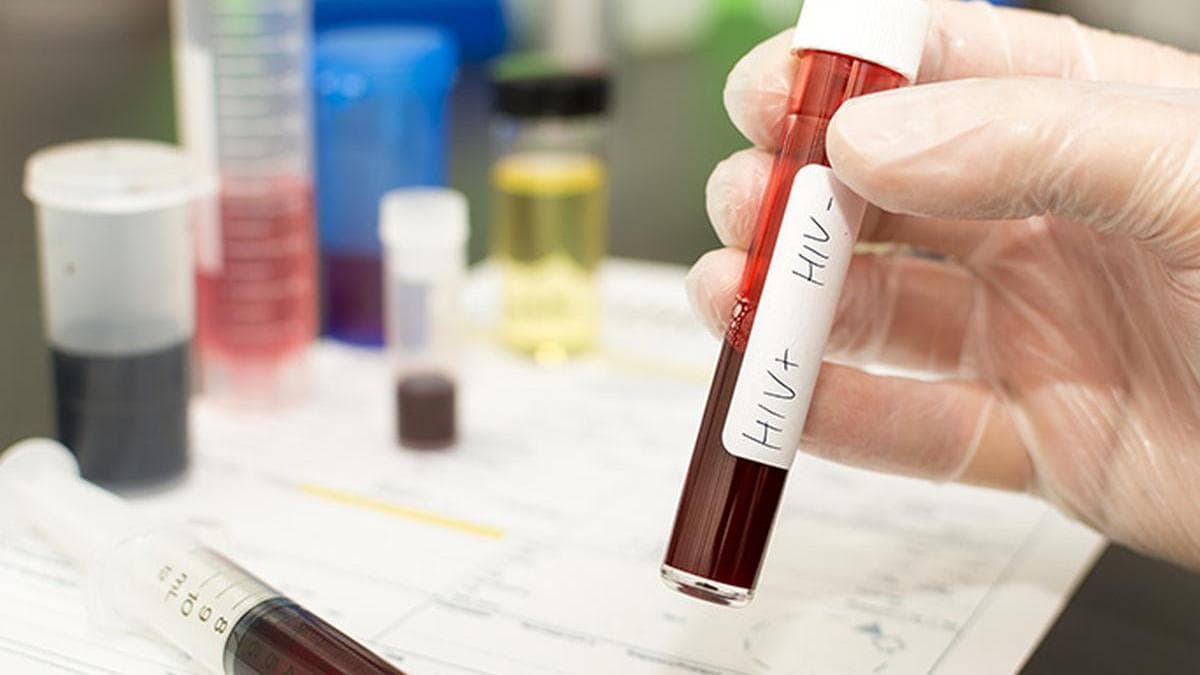
**What happened** in Satna is a grave allegation: six children reportedly contracted HIV, with contaminated blood transfusions being the suspected cause. In response, a committee has been constituted to investigate these claims and is mandated to submit its report within seven days. This swift action underscores the seriousness with which the government is treating the matter, acknowledging the potential for widespread public concern and loss of faith in the healthcare system.
**Key stakeholders** involved in this incident are numerous and their roles critical. Foremost are the **victims** – the six children and their families, who face not only a life-altering illness but also the social stigma associated with HIV. The **Madhya Pradesh Health Department** and the **State Government** are directly responsible for ensuring public health and regulating healthcare facilities within the state. The specific **hospitals and blood banks** involved are under scrutiny for potential lapses in adhering to established protocols for blood collection, screening, storage, and transfusion. At the national level, the **Ministry of Health and Family Welfare** and **NACO** provide overarching policies and guidelines for blood safety. Regulatory bodies like the **National Medical Commission (NMC)**, which replaced the Medical Council of India (MCI), are responsible for upholding medical ethics and professional standards. Finally, **civil society organizations and NGOs** working in HIV/AIDS advocacy play a crucial role in supporting victims and pressing for accountability and systemic reforms.
This incident **matters significantly for India** on multiple fronts. From a **public health** perspective, it highlights the urgent need to reinforce blood safety protocols across all blood banks, particularly in smaller towns and rural areas where infrastructure might be weaker. It underscores the importance of mandatory screening for HIV, Hepatitis B, Hepatitis C, Syphilis, and Malaria, as per NACO guidelines. From a **patient safety** standpoint, it brings medical negligence into sharp focus, emphasizing the right of every patient to safe and quality medical care. Socially, such incidents perpetuate the stigma around HIV, making it harder for affected individuals to integrate into society. Economically, the cost of lifelong treatment for HIV, especially for children, places a huge burden on families and the public health system. Politically, it tests the government's commitment to delivering on its public health promises and ensuring accountability within the healthcare sector.
**Historically**, India has faced challenges in ensuring safe blood. The Supreme Court's intervention in the 1990s, following reports of HIV infections from contaminated blood, led to stringent regulations. The **Drugs and Cosmetics Act, 1940**, along with the **Drugs and Cosmetics Rules, 1945**, specifically Schedule F Part XII B, govern the licensing and operation of blood banks. The **National Blood Policy, 2002**, aimed at ensuring a safe, adequate, and accessible supply of blood. More recently, the **HIV and AIDS (Prevention and Control) Act, 2017**, provides a legal framework to prevent discrimination against people living with HIV and AIDS and strengthens their rights, including access to healthcare.
The **constitutional provisions** relevant here include **Article 21**, which guarantees the Right to Life and Personal Liberty, interpreted broadly by the Supreme Court to include the Right to Health. The State's duty to improve public health is also enshrined in the **Directive Principles of State Policy, Article 47**. Any failure in providing safe blood and healthcare can be seen as a violation of these fundamental rights and duties.
The **future implications** of this incident could be profound. It may lead to a comprehensive review and tightening of blood safety regulations and enforcement mechanisms. There could be increased investment in upgrading blood bank infrastructure, especially in tier-2 and tier-3 cities, and enhanced training for healthcare professionals. This incident might also prompt a renewed focus on patient grievance redressal mechanisms and compensation for victims of medical negligence. Ultimately, it serves as a critical reminder that vigilance and adherence to protocols are paramount to maintaining public trust in the healthcare system and safeguarding the health of the nation's citizens.
This situation also connects to broader themes of **good governance** in healthcare, the challenges of implementing **national health policies** effectively at the grassroots level, and the importance of a robust **regulatory framework** to prevent such tragedies. It underscores the need for continuous monitoring and evaluation of public health programs to ensure their efficacy and accountability.
Exam Tips
**GS Paper II (Social Justice & Governance):** This topic falls under 'Issues relating to development and management of Social Sector/Services relating to Health' and 'Government Policies and Interventions'. Focus on the constitutional provisions (Article 21, Article 47), relevant acts (Drugs and Cosmetics Act, HIV and AIDS Act), and government policies (National Health Policy, National Blood Policy). Questions often involve analyzing the effectiveness of government programs and regulatory bodies.
**Related Topics for Comprehensive Study:** Connect this incident to the broader context of India's public health challenges, specifically the National Health Mission (NHM), Ayushman Bharat, and the role of regulatory bodies like the National Medical Commission (NMC). Understand the structure and functions of NACO and state AIDS control societies.
**Common Question Patterns:** Expect questions on patient rights, medical negligence, ethical issues in healthcare, and the role of technology in improving healthcare safety. Essay questions might ask about the challenges in achieving universal health coverage and quality healthcare in India, using such incidents as case studies. Prelims questions could focus on specific articles, acts, or the mandate of organizations like NACO.
Related Topics to Study
Full Article
Committee to submit report in seven days on alleged contaminated blood transfusions in Satna that resulted in six children getting infected HIV