



Relevant for Exams
Hanumangarh farmers issue 20-day ultimatum for ethanol plant closure over pollution fears.
Summary
Farmers in Rajasthan's Hanumangarh district have issued a 20-day ultimatum demanding the closure of an ethanol plant. They fear the plant will lead to severe groundwater contamination and air pollution, rendering agricultural land barren and causing a significant livelihood crisis. This local protest highlights growing environmental concerns related to industrial development and its impact on agriculture and local communities, relevant for environmental studies and socio-economic issues in competitive exams.
Key Points
- 1Farmers in Hanumangarh district, Rajasthan, have issued a 20-day ultimatum.
- 2The ultimatum demands the closure of an ethanol plant in the region.
- 3Farmers fear the plant will cause groundwater contamination and air pollution.
- 4Concerns include the potential for agricultural land to become barren due to pollution.
- 5The protest is driven by the fear of a livelihood crisis for the local farming community.
In-Depth Analysis
The protest by farmers in Hanumangarh, Rajasthan, demanding the closure of an ethanol plant, encapsulates a critical conflict at the heart of India's development trajectory: the balance between industrial growth, energy security, and environmental sustainability, particularly concerning the agricultural sector. This local agitation, while specific to a region, mirrors broader national dilemmas and is highly pertinent for understanding contemporary socio-economic and environmental challenges in India.
**Background Context:** India's push for ethanol production is primarily driven by its ambitious Ethanol Blending Program (EBP), launched in 2003 and significantly accelerated under the National Policy on Biofuels – 2018. The policy aims to achieve 20% ethanol blending in petrol (E20) by 2025 (originally 2030, advanced in 2021), a move intended to reduce India's heavy reliance on crude oil imports, save foreign exchange, and provide a remunerative price to farmers for their produce (like sugarcane and food grains). The government views ethanol as a greener fuel, potentially reducing vehicular emissions and addressing issues like stubble burning by utilizing agricultural waste. Numerous ethanol plants, both grain-based and molasses-based, are being established across the country to meet this target.
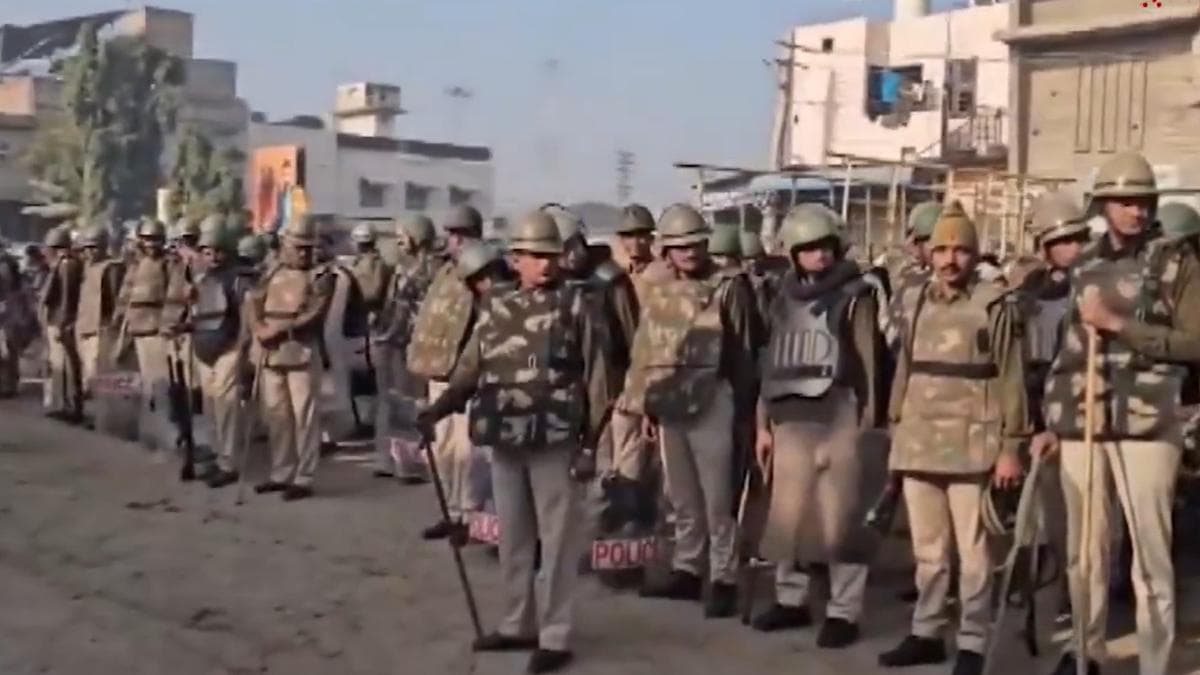
**What Happened:** In Hanumangarh, a district predominantly known for its agriculture, local farmers have issued a 20-day ultimatum, threatening intensified protests if an ethanol plant is not shut down. Their core apprehension stems from the potential environmental degradation the plant could cause. Specifically, they fear severe groundwater contamination, crucial for irrigation in a semi-arid region like Rajasthan, and significant air pollution. The ultimate concern is that such pollution would render their agricultural land barren, directly leading to a devastating livelihood crisis for the farming community. This highlights a classic "not in my backyard" (NIMBY) syndrome, where national policy objectives clash with local environmental and economic concerns.
**Key Stakeholders Involved:**
1. **Farmers:** The primary stakeholders, directly impacted by the perceived threats to their land, water, health, and economic stability. Their collective action underscores their vulnerability and their reliance on a healthy environment for sustenance.
2. **Ethanol Plant Management/Industry:** Represents the industrial sector, driven by profit motives and contributing to national energy goals. They argue for the economic benefits and compliance with environmental norms.
3. **State Government (Rajasthan):** Caught between promoting industrial development and addressing the concerns of its agrarian population. It is responsible for maintaining law and order, facilitating industrial growth, and ensuring environmental compliance through its regulatory bodies.
4. **Central Government:** The architect of the EBP and the National Policy on Biofuels, which encourages such industrial setups. It provides incentives and frameworks for ethanol production.
5. **Environmental Regulators (e.g., Rajasthan State Pollution Control Board):** Tasked with conducting Environmental Impact Assessments (EIAs), granting clearances, and monitoring compliance with environmental laws like the Water (Prevention and Control of Pollution) Act, 1974, and the Air (Prevention and Control of Pollution) Act, 1981.
**Why this matters for India:** This incident is a microcosm of a larger national debate. India, as a developing nation, needs to balance its developmental aspirations with ecological preservation. The Hanumangarh protest underscores the potential trade-offs: achieving energy security through biofuels might inadvertently jeopardize food security and environmental health if not managed sustainably. It also brings to the fore issues of farmer welfare and the implementation challenges of large-scale national policies. Such local agitations can escalate, potentially impacting investment climate and social harmony, and serve as a crucial feedback mechanism for policy makers to refine strategies for sustainable industrialization.
**Historical Context:** India has a rich history of environmental movements protesting industrial projects, from the Chipko Movement (1970s) against deforestation to the Narmada Bachao Andolan (1980s) against large dams, and more recent protests against mining projects (e.g., Vedanta in Niyamgiri). These movements consistently highlight the disproportionate impact of industrial development on marginalized communities and the environment, often leading to calls for stronger environmental governance and participatory decision-making.
**Future Implications:** The outcome of the Hanumangarh protest could set a precedent for future industrial projects, particularly those related to the EBP. It emphasizes the urgent need for: (1) more stringent and transparent Environmental Impact Assessments (EIAs) under the EIA Notification, 2006, ensuring genuine public hearings and addressing local concerns; (2) robust post-clearance monitoring mechanisms; (3) investment in cleaner production technologies for ethanol; and (4) effective grievance redressal mechanisms for affected communities. Failure to address these concerns could lead to widespread public distrust, hindering India's sustainable development goals and potentially impacting its commitments under international agreements like the Paris Agreement on climate change, where a 'green' biofuel program needs to be genuinely green.
**Related Constitutional Articles, Acts, or Policies:**
* **Article 48A of the Directive Principles of State Policy (DPSP):** "The State shall endeavour to protect and improve the environment and to safeguard the forests and wild life of the country." This Article places an obligation on the state to proactively work towards environmental protection.
* **Article 51A(g) of Fundamental Duties:** "It shall be the duty of every citizen of India... to protect and improve the natural environment including forests, lakes, rivers and wild life, and to have compassion for living creatures." This imposes a duty on citizens, but also implicitly on industrial entities and government to uphold this.
* **Environmental Protection Act, 1986:** This is the umbrella legislation empowering the Central Government to take measures to protect and improve the environment.
* **Water (Prevention and Control of Pollution) Act, 1974 & Air (Prevention and Control of Pollution) Act, 1981:** These acts provide for the prevention, control, and abatement of water and air pollution, respectively, and establish pollution control boards.
* **National Policy on Biofuels – 2018 (and its amendments):** This policy provides the framework and targets for ethanol blending and biofuel production in India.
* **EIA Notification, 2006:** Mandates environmental clearance for various projects, including industrial units, based on an assessment of their potential environmental impacts.
This incident is a stark reminder that sustainable development requires integrating environmental and social safeguards into economic policies, ensuring that growth does not come at the cost of community well-being or ecological integrity.
Exam Tips
This topic falls under 'Environment & Ecology' (GS Paper III for UPSC), 'Indian Economy' (GS Paper III for UPSC), and 'Social Justice' (GS Paper II for UPSC). For State PSCs and SSC, it's relevant for General Awareness sections on environment, economy, and government policies.
When studying, link this specific protest to broader themes like India's energy security strategy, the role of biofuels, sustainable development goals (SDGs, particularly SDG 6: Clean Water, SDG 12: Responsible Consumption and Production, SDG 15: Life on Land), and the challenges of industrialization in an agrarian economy. Also, study the legal framework for environmental protection (Acts, Rules, EIA process).
Common question patterns include: analyzing the conflict between development and environment, discussing the pros and cons of India's biofuel policy, explaining the role of environmental regulatory bodies, and assessing the impact of industrial projects on local livelihoods. Be prepared for case study-based questions on environmental conflicts and policy implementation challenges.
Related Topics to Study
Full Article
Farmers in the region fear that the factory would create a livelihood crisis by making the agricultural land barren through groundwater contamination and air pollution.