



Relevant for Exams
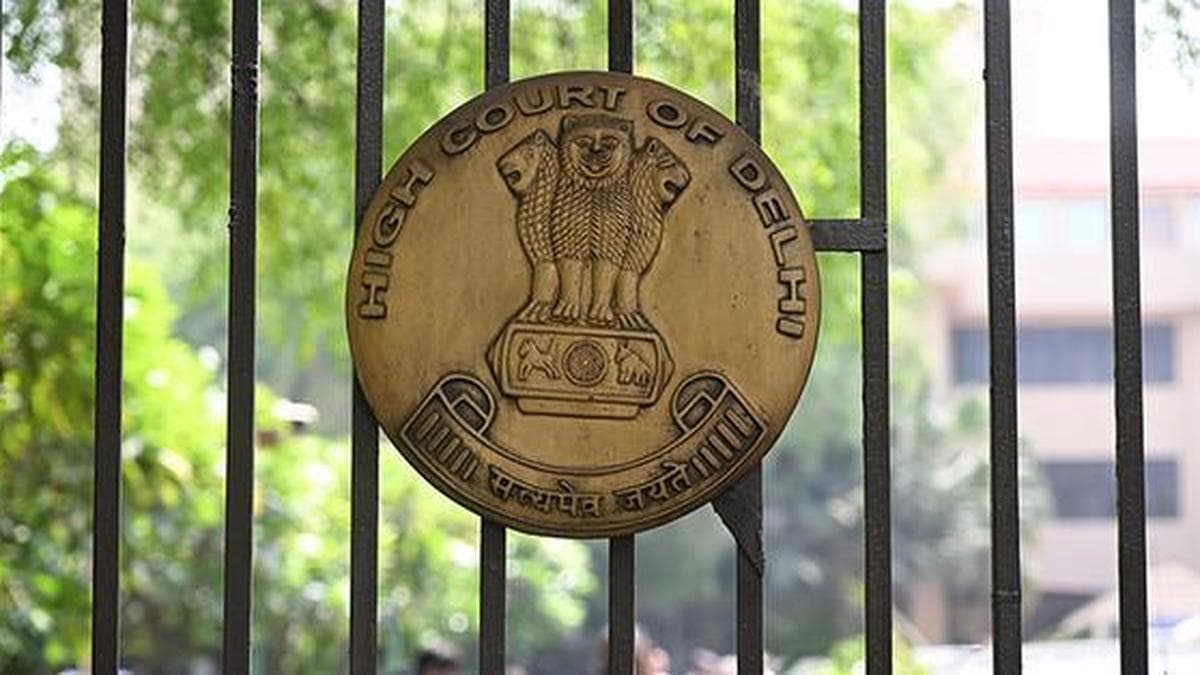
Delhi HC cracks down on pirated Mirasys surveillance software at Udyog Bhawan.
Summary
The Delhi High Court has taken action against the alleged use of pirated Mirasys surveillance software at Udyog Bhawan, New Delhi. Unauthorised copies, originally licensed for Gurugram, were illegally installed. This case highlights legal enforcement against intellectual property infringement and cybersecurity vulnerabilities within government infrastructure, crucial for exam awareness on legal and IT governance issues.
Key Points
- 1The Delhi High Court addressed the alleged use of pirated surveillance software.
- 2The specific software identified as pirated is "Mirasys surveillance software".
- 3The illegal installation of the software occurred at "Udyog Bhawan" in "New Delhi".
- 4The original license for the Mirasys software was intended for another site in "Gurugram".
- 5The issue involves the use of "multiple unauthorised copies" of the surveillance software.
In-Depth Analysis
The Delhi High Court's decisive action against the alleged use of pirated Mirasys surveillance software at Udyog Bhawan, a critical government building in New Delhi, brings to light several crucial issues pertinent to India's governance, intellectual property rights (IPR) regime, and cybersecurity landscape. This incident underscores the ongoing challenges of software piracy, particularly when it infiltrates government infrastructure, raising concerns about legal compliance, national security, and ethical public administration.
**Background Context and What Happened:**
Software piracy, the unauthorized copying or distribution of copyrighted software, remains a significant global challenge, costing the industry billions annually. In India, while enforcement has improved, it persists across various sectors. The current case involves the alleged illegal installation of multiple unauthorized copies of Mirasys surveillance software at Udyog Bhawan. Crucially, the original license for this software was intended for a different location in Gurugram, indicating a deliberate circumvention of licensing agreements. Udyog Bhawan houses several key ministries, including the Ministry of Commerce and Industry, making its digital security paramount for national economic and policy-making functions. The discovery of pirated software in such a sensitive location immediately flags concerns about the integrity of its surveillance systems and the data they handle.
**Key Stakeholders Involved:**
Several entities are directly impacted by this development. The **Delhi High Court** serves as the primary judicial authority, enforcing IPR laws and ensuring compliance. **Mirasys**, as the software vendor and intellectual property owner, is a direct stakeholder suffering financial loss and brand dilution due to piracy. The **government entity or ministry** responsible for Udyog Bhawan's IT infrastructure and security is a central stakeholder, facing scrutiny for alleged non-compliance and potential negligence. The broader **Indian software industry** and **international technology companies** operating in India are also stakeholders, as strong IPR protection is vital for fostering innovation and investment. Finally, the **citizens of India** are stakeholders in ensuring that government operations are secure, transparent, and compliant with the law, especially concerning data privacy and national security.
**Why This Matters for India:**
This incident carries profound implications for India across multiple dimensions. Firstly, it directly challenges India's commitment to **Intellectual Property Rights (IPR)** protection. India is a signatory to the TRIPS Agreement (Agreement on Trade-Related Aspects of Intellectual Property Rights) under the World Trade Organization, obliging it to maintain robust IPR laws. The **Copyright Act, 1957**, specifically governs software protection in India. Widespread software piracy, especially within government circles, can tarnish India's image as a responsible global player and a safe destination for foreign direct investment in technology. It also discourages domestic innovation, as creators fear their work will be exploited without compensation.
Secondly, the use of pirated software in critical government infrastructure like Udyog Bhawan poses severe **cybersecurity and data privacy risks**. Pirated software often lacks legitimate updates, patches, and vendor support, making it highly vulnerable to cyber-attacks, malware, and data breaches. For a surveillance system, this could mean compromised footage, unauthorized access to sensitive areas, or even the system being weaponized by malicious actors. This directly impacts **national security** and the security of sensitive government data, which is antithetical to initiatives like the **National Cyber Security Policy 2013**, which aims to protect information infrastructure.
Thirdly, it highlights issues of **governance and accountability**. The alleged use of illegal software by a government agency raises questions about procurement processes, ethical conduct, and financial prudence. It undermines public trust and contradicts the principles of transparency and good governance promoted by initiatives like the **Digital India** program. Such incidents can lead to a waste of taxpayer money and create an environment of non-compliance within public institutions.
**Historical Context and Broader Themes:**
Historically, India has been perceived as a region with significant software piracy. However, over the past two decades, there has been a concerted effort to strengthen IPR laws and enforcement, driven by both international pressure and domestic recognition of the importance of innovation. This case connects to broader themes of modern governance in the digital age, the imperative for robust cybersecurity frameworks, and the ethical responsibilities of public institutions in adopting technology. It underscores the need for a 'digital hygiene' culture, especially within government departments.
**Future Implications and Constitutional/Legal References:**
This High Court action is likely to spur greater scrutiny of IT procurement processes across all government departments. It could lead to mandatory software audits, stricter compliance checks, and a push towards using legitimate, secure, and potentially open-source alternatives. The **Information Technology Act, 2000 (IT Act)**, particularly sections dealing with cybercrimes and data protection, could be invoked in cases of data breaches resulting from such vulnerabilities. Furthermore, Article 51A(h) of the Constitution, a Fundamental Duty, encourages citizens (and by extension, government entities) 'to develop the scientific temper, humanism and the spirit of inquiry and reform,' which implicitly supports adherence to legal and ethical standards in technological adoption. The incident may also prompt a review of the penalties under the Copyright Act, 1957, for software infringement, potentially leading to more stringent deterrents. Ultimately, it serves as a stark reminder that digital security and legal compliance are non-negotiable pillars of effective and trustworthy governance in the 21st century.
Exam Tips
This topic falls under GS Paper II (Governance, Polity, Constitutional Framework) and GS Paper III (Economy, Internal Security, Science & Technology) for UPSC. For other exams, look for sections on Indian Polity, Current Affairs, and IT/Cybersecurity.
Study related topics like the Intellectual Property Rights regime in India (Copyright Act 1957, Patents Act 1970, Trademarks Act 1999), the Information Technology Act 2000 and its amendments, National Cyber Security Policy 2013, and the proposed Data Protection Bill. Understand their provisions and implications.
Common question patterns include analytical questions on the challenges of cybersecurity in government infrastructure, the economic impact of software piracy, the role of judiciary in IPR enforcement, and policy measures to enhance digital governance and data security. Be prepared to discuss constitutional articles (e.g., Article 51A(h)) and relevant acts.
Related Topics to Study
Full Article
It was found that multiple unauthorised copies of the Mirasys software, originally licensed for another site in Gurugram, were illegally copied and surreptitiously installed at the premises of Udyog Bhawan, New Delhi