



Relevant for Exams
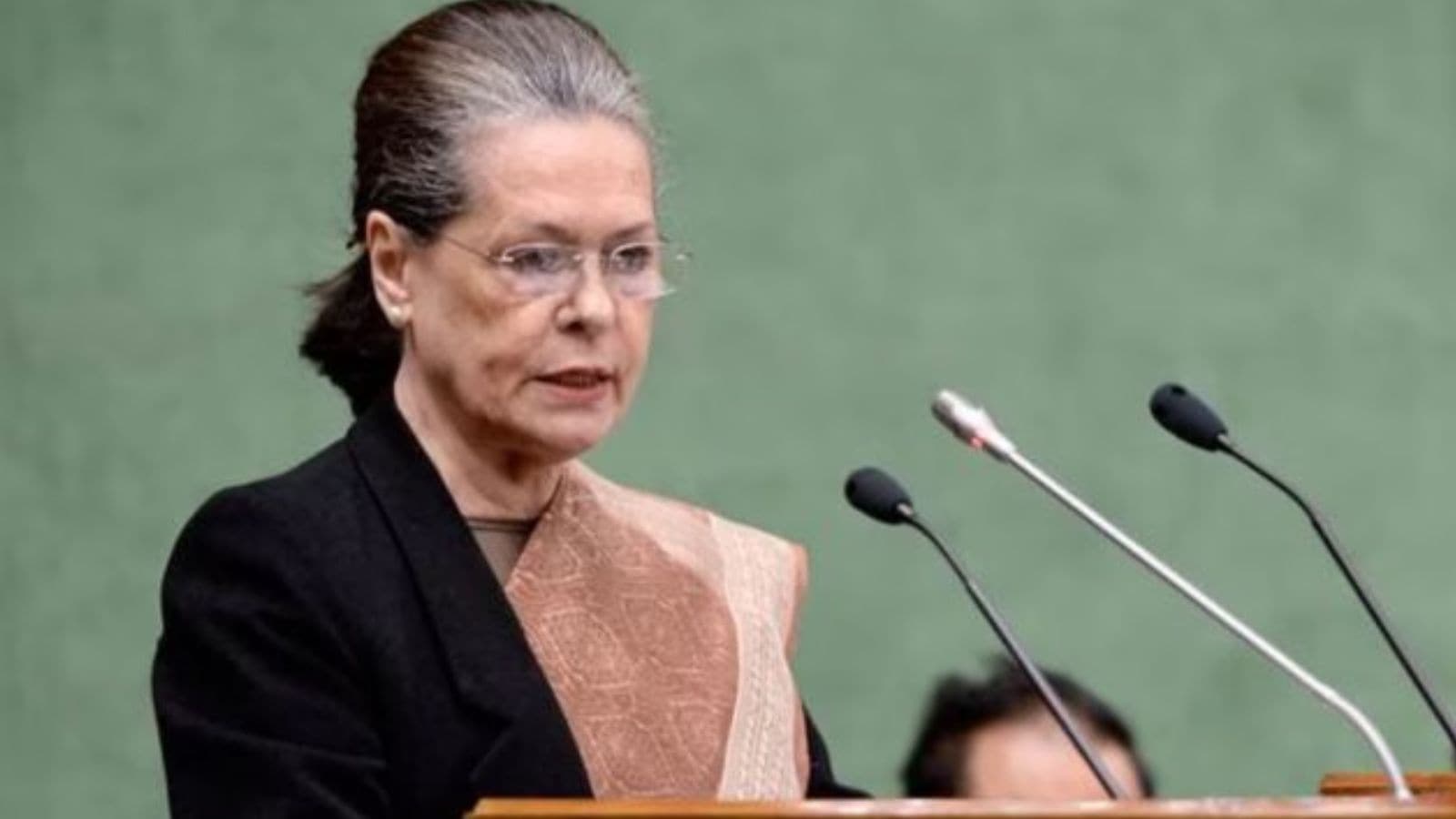
Shekhawat: Nehru's papers are national heritage, not private property; Sonia Gandhi promises cooperation.
Summary
Union Minister Shekhawat asserted that Jawaharlal Nehru's papers constitute the nation's documentary heritage, not private property, amid reports of their possession by Sonia Gandhi. The Minister indicated that Sonia Gandhi has pledged cooperation on the matter. This development underscores the importance of preserving historical national records and the legal/custodial aspects of such documents, making it relevant for current affairs and general knowledge sections in competitive exams.
Key Points
- 1Union Minister Shekhawat stated that Jawaharlal Nehru's papers are the 'Nation’s documentary heritage'.
- 2The Minister emphasized that these historical documents are 'not a private property'.
- 3Jawaharlal Nehru's papers are reportedly in the possession of Sonia Gandhi.
- 4Sonia Gandhi has 'promised cooperation' regarding the papers, according to Shekhawat.
- 5The core issue revolves around the classification of historical political figures' documents as national heritage versus private property.
In-Depth Analysis
The statement by Union Minister Shekhawat regarding Jawaharlal Nehru's papers being the 'Nation’s documentary heritage' and not 'private property' brings to the forefront a critical discussion about the ownership, preservation, and accessibility of historical documents belonging to prominent national figures. This issue, with Sonia Gandhi reportedly possessing these papers and pledging cooperation, underscores the delicate balance between personal family archives and the public's right to its historical legacy.
At the heart of the matter lies the distinction between private property and national heritage. Jawaharlal Nehru, as India's first Prime Minister, was a pivotal architect of modern India. His correspondence, notes, speeches, and other personal and official documents offer invaluable insights into the formative years of the nation, its foreign policy, economic philosophy, and socio-political landscape. These documents are not merely personal mementos; they are primary sources for historians, researchers, and the general public to understand India's journey post-independence. The government's assertion reflects a desire to consolidate and make accessible such crucial historical records, ensuring they are preserved under national custodianship rather than remaining in private hands, however well-intentioned.
Historically, the preservation of such documents has often been a blend of public and private initiatives. Institutions like the Nehru Memorial Museum and Library (NMML), established in 1964, were specifically created to preserve and research the life and work of Jawaharlal Nehru. Many of his official papers and personal effects were indeed deposited there. However, the extent to which all documents generated by a public figure, especially those that bridge the personal and official, fall under national heritage is often a grey area. The current development suggests that some significant papers might still be outside the purview of national archives or designated institutions.
Key stakeholders in this discussion include the Union Government, represented by Minister Shekhawat and the Ministry of Culture, which is responsible for cultural heritage preservation. Their interest lies in ensuring that national treasures are safeguarded and made accessible. Sonia Gandhi, as a descendant by marriage and custodian of these papers, represents the private individual's role in preserving family legacy. Her reported 'promise of cooperation' is crucial, as it indicates a willingness to engage rather than contest, potentially paving the way for a collaborative resolution. Archival institutions like the National Archives of India (NAI) and the NMML are also indirect stakeholders, as they would be the natural custodians for such documents, possessing the expertise and infrastructure for their preservation, cataloging, and public display.
This issue matters immensely for India. Firstly, it touches upon the integrity of historical research. Unrestricted and centralized access to such documents allows for a more comprehensive and nuanced understanding of India's past. Secondly, it reinforces the principle of public accountability and transparency, even posthumously, by ensuring that the records of those who shaped the nation are available for scrutiny and study. Thirdly, it highlights the broader challenge of heritage preservation in India, where many invaluable historical artifacts and documents, whether public or private, face risks of deterioration, loss, or inaccessibility. The resolution of this matter could set a significant precedent for how documents of other national leaders and historical figures are handled in the future.
While there isn't a direct constitutional article dictating the ownership of private papers of public figures, the spirit of preserving national heritage is enshrined in various policies and acts. The **Ancient Monuments and Archaeological Sites and Remains Act, 1958 (AMASR Act)**, for instance, protects material heritage. More directly, the **Public Records Act, 1993**, governs the management, administration, and preservation of public records of the Central Government, Union Territory Administrations, public sector undertakings, and statutory bodies. However, it typically doesn't extend to personal papers unless they are explicitly transferred or declared public. The current situation highlights a potential gap in legislation concerning the private archives of public figures, especially when those papers hold immense national significance. The **Ministry of Culture** plays a crucial role in framing policies for the preservation of cultural heritage, including documentary heritage.
Looking ahead, this development could lead to a more defined national policy or even specific legislation regarding the acquisition and preservation of private papers of national significance. It might prompt a systematic effort to identify and secure such documents currently in private possession across the country. The outcome will likely involve a collaborative effort between the government, family members, and archival institutions to ensure these invaluable records are properly cataloged, conserved, and made available for public and scholarly access. This would not only enrich India's historical discourse but also strengthen its institutional capacity for heritage management, ensuring that future generations have a direct link to the foundational moments of their nation.
Exam Tips
This topic falls under General Studies Paper 1 (Indian History, Post-Independence, Culture) and General Studies Paper 2 (Governance, Policies, Institutions) for UPSC. For SSC, State PSCs, Banking, Railway, and Defence exams, it's relevant for Current Affairs and General Knowledge sections, focusing on institutions and legal aspects.
Study related topics such as the structure and functions of the National Archives of India (NAI), Nehru Memorial Museum and Library (NMML), the Public Records Act, 1993, and the broader concept of cultural heritage preservation policies in India. Understand the difference between 'public records' and 'private papers' and the legal ambiguities involved.
Common question patterns include factual questions on the establishment and roles of institutions like NMML and NAI, the year of relevant acts (e.g., Public Records Act), and analytical questions on the importance of heritage preservation, the challenges in acquiring historical documents, and the ethical/legal dilemmas surrounding private vs. public ownership of such materials.