



Relevant for Exams
Standoff looms over Nehru papers as Sonia Gandhi engages with PMs' Museum.
Summary
A potential standoff is emerging concerning the historical 'Nehru papers,' with Sonia Gandhi informing the PMs' Museum that her staff will examine the matter. This development highlights ongoing discussions about the custody and accessibility of crucial historical documents related to India's first Prime Minister, Jawaharlal Nehru. It is significant for competitive exams as it touches upon national archives, institutional roles, and the preservation of prime ministerial legacies.
Key Points
- 1The issue involves the 'Nehru papers,' which are historical documents pertaining to India's first Prime Minister, Jawaharlal Nehru.
- 2Sonia Gandhi, a prominent political figure, has indicated her staff will look into the matter concerning these papers.
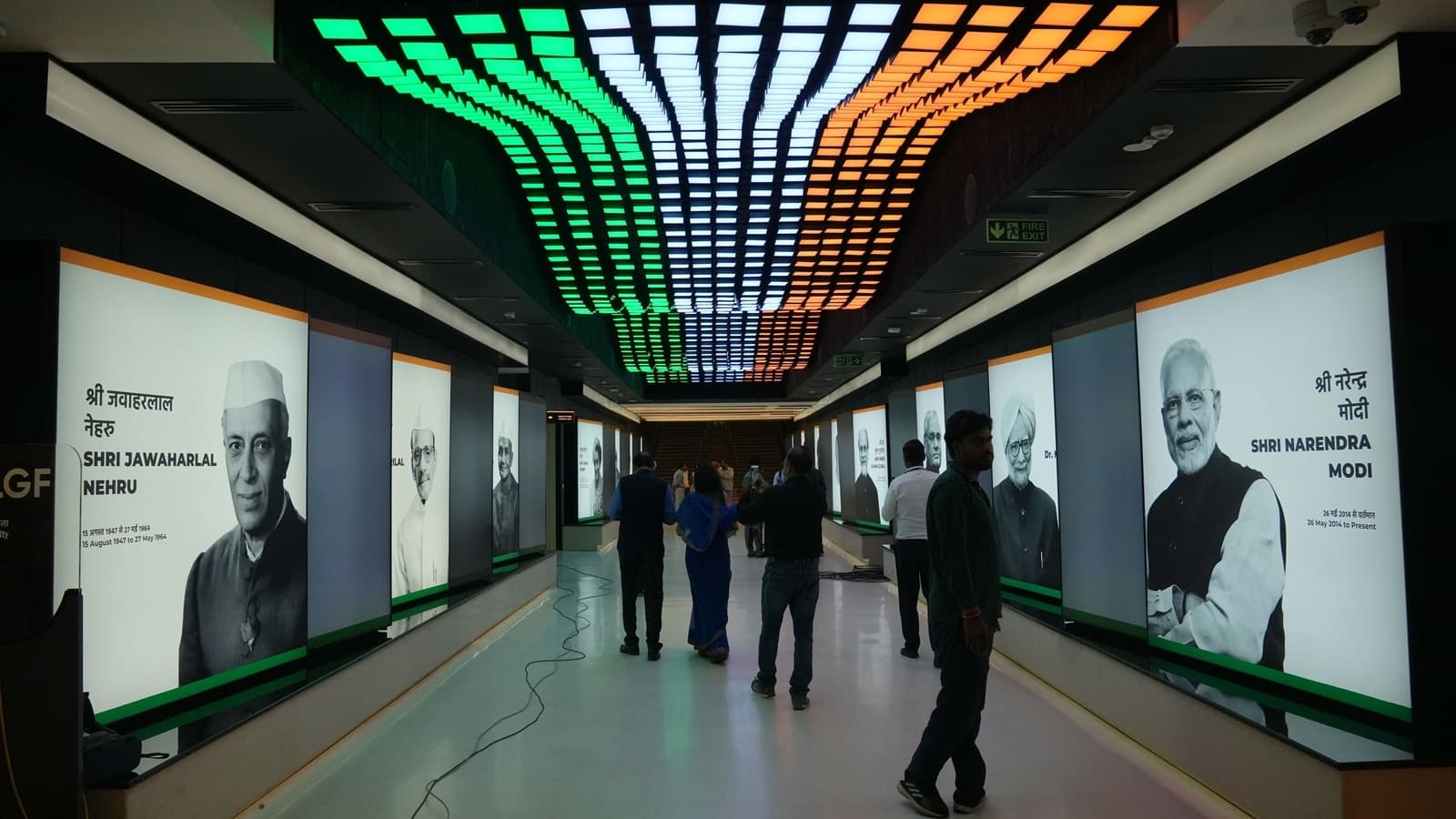
- 3The 'PMs' Museum' refers to the Pradhanmantri Sangrahalaya, located at Teen Murti Bhavan in New Delhi.
- 4A 'standoff' suggests a dispute or disagreement regarding the custody, access, or management of the Nehru papers.
- 5The situation underscores the importance of archiving and preserving historical records related to India's Prime Ministers and national heritage.
In-Depth Analysis
The news of a potential standoff over the 'Nehru papers' involving Sonia Gandhi and the Pradhanmantri Sangrahalaya (PMs' Museum) unveils a deeper narrative concerning India's historical archives, institutional autonomy, and the preservation of national heritage. This development, while seemingly a discrete event, is rooted in the ongoing discourse about how India's past, particularly the legacies of its founding leaders, is interpreted and presented.
At its core, the issue revolves around historical documents belonging to Jawaharlal Nehru, India's first Prime Minister. These 'Nehru papers' are not merely personal effects but invaluable primary sources that shed light on the formative years of independent India, its foreign policy, economic planning, and social reforms. Their significance for historians, researchers, and the general public cannot be overstated. The Pradhanmantri Sangrahalaya, located at Teen Murti Bhavan in New Delhi, is the institution at the heart of this matter. Formerly known as the Nehru Memorial Museum and Library (NMML), it was established in 1964, shortly after Nehru's death, at his official residence. For decades, NMML served as a premier institution for the study of post-colonial India, housing Nehru's personal effects, writings, and a vast library.
What has happened is that the PMs' Museum, which replaced NMML, appears to be seeking access to or custody of these 'Nehru papers.' Sonia Gandhi, a prominent political figure and daughter-in-law of Indira Gandhi (Nehru's daughter), has reportedly informed the museum that her staff would 'look into it.' This response suggests a potential claim of private ownership or control over these documents, leading to the 'standoff' described. The underlying tension here is between an institution's mandate to collect and display national heritage and the perceived private ownership of historical artifacts by a family.
Key stakeholders in this matter include the Pradhanmantri Sangrahalaya, which operates under the Ministry of Culture, Government of India. Its primary role is to showcase the lives and contributions of all Indian Prime Ministers. The Nehru-Gandhi family, particularly Sonia Gandhi, represents another crucial stakeholder, potentially asserting rights over Nehru's personal archives. Historians, academicians, and the general public also have a vested interest, as the accessibility and integrity of these papers directly impact historical research and public understanding of India's past. The Ministry of Culture, as the supervising body, plays a pivotal role in mediating such disputes and setting policy for national cultural institutions.
The historical context is crucial for understanding the current situation. The transformation of NMML into the Pradhanmantri Sangrahalaya under the current government has been a contentious issue. Critics have argued that this move was an attempt to dilute Nehru's legacy and reframe India's post-independence narrative. The original NMML was dedicated primarily to Nehru's life and times, while the new museum aims to present all Prime Ministers equally. This shift in institutional mandate inevitably brings into question the status and ownership of documents historically associated with Nehru, especially those not officially transferred to public archives.
This matter holds immense significance for India. Firstly, it touches upon the preservation of national heritage. Accurate historical records are vital for a nation's identity and for fostering an informed citizenry. Any dispute over primary documents can impede historical research and potentially lead to incomplete or biased narratives. Secondly, it highlights the delicate balance between institutional autonomy and government control. The renaming and repurposing of NMML sparked debates about whether cultural institutions should maintain their independent academic character or align more closely with government policy. Thirdly, it underscores the political symbolism attached to historical figures and their legacies in contemporary India. Nehru's vision and contributions remain a subject of intense political debate, and control over his papers can be seen as influencing this narrative.
From a legal and constitutional perspective, the **Public Records Act, 1993**, is highly relevant. This Act provides for the management, administration, and preservation of public records of the Central Government, Union Territory Administrations, public sector undertakings, and other bodies owned or controlled by the Central Government. The critical question here is whether the 'Nehru papers' are considered 'public records' or private property. If they are deemed public records, their custody and access would be governed by this Act. If they are private papers, their transfer to a public institution would require consent or acquisition. The **Right to Information Act, 2005**, could also be invoked by citizens seeking access to these documents, although exemptions for private information or records not held by a public authority might apply. The Ministry of Culture's policies regarding national archives and cultural institutions also play a significant role.
Looking ahead, the future implications are varied. A negotiated settlement might see the papers transferred to the PMs' Museum under specific conditions, ensuring their preservation and accessibility. Alternatively, the standoff could escalate, potentially leading to legal challenges regarding ownership and custody. The outcome will set a precedent for how the personal papers of other Prime Ministers and significant national figures are handled, influencing future policies on archival management. It also impacts the broader academic community's access to crucial historical data, potentially shaping future interpretations of India's post-independence journey. Ultimately, this situation underscores the ongoing challenge of balancing historical preservation, family legacies, and national interest in a vibrant democracy.
Exam Tips
This topic falls primarily under 'Indian History (Post-Independence)' and 'Indian Polity & Governance' sections of the UPSC, SSC, and State PSC syllabi. Focus on the institutional aspects and historical context.
Study related topics such as the history and evolution of the Nehru Memorial Museum and Library (NMML), the establishment and mandate of the Pradhanmantri Sangrahalaya, and the role of the National Archives of India. Understand the significance of primary historical sources.
Common question patterns might include factual questions about the location and purpose of the PMs' Museum, the Public Records Act, 1993, or analytical questions on the importance of preserving national heritage, institutional autonomy, or the political implications of historical narratives.
Prepare for questions on the role of the Ministry of Culture in managing national museums and archives, and the legal framework governing public records versus private papers of historical figures.
Be aware of the controversies surrounding the renaming and repurposing of historical institutions, as these often reflect broader ideological debates in governance.